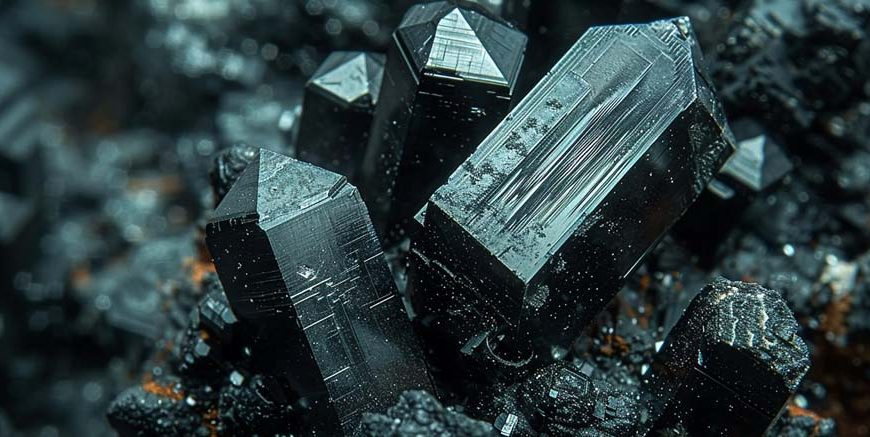
Tungsten is one of the most remarkable metals in the world, known for its strength, durability, and high melting point. From industrial applications to everyday items, understanding what is tungsten and its various uses is essential for students, engineers, and science enthusiasts. In this article, we will explore the tungsten meaning, define tungsten, and discuss its uses in India and worldwide.
What is Tungsten?
Tungsten, symbol W, is a chemical element with atomic number 74. It is a rare, hard, dense metal with a very high melting point of 3422°C, making it one of the highest melting points of all metals.
Tungsten meaning in English:
- Tungsten is often called “wolfram” in scientific contexts, derived from the mineral wolframite from which it is extracted.
- It is a heavy, silvery-grey metal that does not oxidise easily and maintains its strength at high temperatures.
Tungsten in Hindi:
- टंगस्टन (Tungsten) एक दुर्लभ और मजबूत धातु है जिसका इस्तेमाल उच्च तापमान वाले उपकरणों और उद्योगों में किया जाता है।
Read More – Uses of Lead Properties of Tungsten
Before diving into tungsten uses, it is important to understand its unique properties:
Physical Properties
- Density:25 g/cm³
- Melting Point: 3422°C
- Boiling Point: 5555°C
- Hardness: Very high; can resist wear and tear
Chemical Properties
- Chemically stable
- Resistant to corrosion and oxidation
- Non-toxic and safe for industrial use
Mechanical Properties
- Very strong and tough
- Maintains strength at high temperatures
- Can be alloyed with steel to enhance durability
These properties make tungsten an essential material in industries and daily life applications. Read More – How Do You Make Science Interesting for Kids?
Tungsten Material Sources
Tungsten is mainly extracted from minerals like wolframite and scheelite. India has limited tungsten reserves, but it is imported for industrial use. Key tungsten-producing countries include China, Russia, Vietnam, and Bolivia.
Tungsten Uses
Tungsten’s unique properties make it highly versatile. Let’s explore the uses of tungsten across various fields.
1. Industrial Applications
Tungsten metal uses in industries are extensive:
- High-speed tools: Tungsten carbide is used for cutting tools, drills, and milling machines because it is extremely hard.
- Heavy machinery: Its density and strength make it ideal for weights, counterbalances, and engine components.
- Aerospace industry: Used in rockets and aircraft due to heat resistance.
Example in India:
- Companies in Pune and Bengaluru use tungsten carbide tools in manufacturing automotive and aerospace parts.
2. Electrical Applications
- Tungsten is widely used in electrical applications due to its high melting point and conductivity.
- Incandescent bulbs: The filament in bulbs is made of tungsten because it can glow at very high temperatures without melting.
- Vacuum tubes and X-ray tubes: Tungsten electrodes and filaments are preferred for durability and efficiency.
3. Military and Defense
Tungsten is an essential material in the defence sector:
- Armour-piercing ammunition: Tungsten’s high density allows bullets and shells to penetrate hardened targets.
- Missile components: Tungsten alloys are used in warheads due to their heat resistance.
Indian context:
- Defence laboratories like DRDO in India research tungsten alloys for missiles and armour applications.
4. Jewellery and Watches
Tungsten is also popular in consumer goods:
- Rings and watches: Tungsten carbide jewellery is highly scratch-resistant.
- Luxury items: Its metallic shine and durability make it ideal for modern designs.
5. Medical Uses
Tungsten finds applications in the medical field as well:
- Radiology: Tungsten is used in X-ray shields and radiation therapy equipment.
- Surgical instruments: Tungsten alloys help make durable surgical tools.
6. Automotive Industry
Tungsten is used in vehicles for:
- High-strength parts: Engine components, braking systems, and gears.
- Lighting: Tungsten filaments are used in headlights for reliable illumination.
7. Electronics and Gadgets
Modern electronics use tungsten for:
- Thin film coatings: Used in semiconductors and solar cells.
- Heat sinks: Tungsten alloys dissipate heat efficiently in electronic devices.
8. Sports Equipment
- Golf club heads, darts, and archery equipment use tungsten for weight balancing due to its high density.
- In the Indian context, sporting goods manufacturers use tungsten in precision sports tools.
9. Scientific Instruments
- Tungsten is used in laboratory equipment:
- Crucibles and high-temperature apparatus
- Electron microscopes and X-ray tubes use tungsten filaments.
Summary of Tungsten Uses
|
Application Area |
Examples & Uses |
|
Industrial |
Cutting tools, drills, and aerospace components |
|
Electrical |
Bulbs, electrodes, X-ray tubes |
|
Defense |
Armour-piercing shells, missiles |
|
Jewelry |
Rings, watches |
|
Medical |
X-ray shields, surgical instruments |
|
Automotive |
Engine parts, headlights |
|
Electronics |
Semiconductors, heat sinks |
|
Sports Equipment |
Golf clubs, darts, and archery |
|
Scientific Instruments |
Electron microscopes, crucibles |
Read More – Science Quiz Questions and Answers for Kids Why Tungsten is Preferred
- High melting point: Can withstand extreme temperatures.
- Durability: Resistant to wear, tear, and corrosion.
- Density: High density makes it ideal for heavy-duty applications.
- Versatility: Used in industrial, consumer, medical, and defence sectors.
Fun Facts About Tungsten
- Tungsten is heavier than lead.
- Tungsten carbide is almost as hard as diamond.
- Tungsten was first isolated in 1783.
- The word “tungsten” comes from Swedish tung sten, meaning “heavy stone.”
- India uses tungsten imports mainly for industrial and defence purposes.
How EuroKids Builds Strong EVS Foundations
When Environmental Studies (EVS) is introduced through observation, storytelling, nature walks, and hands-on exploration, young learners begin to understand their surroundings in a meaningful and lasting way. Instead of memorising facts about plants, animals, or seasons, children learn by experiencing and questioning the world around them. This is why structured early education programs focus on experiential and inquiry-based learning rather than rote memorisation.
At EuroKids, foundational EVS concepts are nurtured through the HEUREKA – Visible Thinking Curriculum. This approach encourages children to explore themes such as “My Family,” “My Community,” “Plants and Animals,” “Seasons and Weather,” and “Good Habits” through interactive discussions, thematic projects, role play, outdoor exploration, and guided observation.
The Visible Thinking framework helps children observe carefully, think deeply, and express their ideas confidently. Through activities like nature-based learning, environmental awareness projects, sensory exploration, and group conversations, children develop curiosity about how things grow, how communities function, and how they can care for the environment.
With a child-centric and play-based methodology refined over 20+ years and implemented across 1600+ preschools, EuroKids focuses on building awareness, responsibility, and curiosity first, allowing knowledge, empathy, and critical thinking skills to develop naturally over time.
FAQs About Tungsten
Q1. What is tungsten used for?
Answer: Tungsten is used in industrial tools, light bulbs, electronics, defence equipment, jewellery, and medical instruments.
Q2. Define tungsten.
Answer: Tungsten is a heavy, dense metal with a high melting point. Its chemical symbol is W, and its atomic number is 74.
Q3. What is the meaning of tungsten?
Answer: Tungsten is a heavy, durable, and heat-resistant metal, often used in scientific and industrial applications.
Q4. Is tungsten found in India?
Answer: India has limited tungsten reserves and mainly imports tungsten for industrial and defence use.
Q5. What is tungsten carbide?
Answer: Tungsten carbide is a hard alloy of tungsten and carbon, used in cutting tools, industrial drills, and jewellery.
Conclusion
Tungsten is an essential metal with a wide range of applications. Its properties, such as high melting point, density, and durability, make it a favourite in industries, electronics, defence, jewellery, and medical fields.
Understanding what is tungsten, tungsten meaning, and tungsten uses is important for students, engineers, and anyone interested in science. In India, tungsten is widely used in defence research, industrial manufacturing, and electronics, making it a significant material for technological advancement.
With continuous research, the applications of tungsten continue to expand, making it one of the most versatile metals in the modern world.
To explore more learning ideas, simple explanations, and early childhood resources, parents
can visit the EuroKids Blog. Those who wish to understand the preschool journey better or
explore enrolment options can find complete information on the EuroKids Preschool Admission
Page, where learning is designed to be joyful, engaging, and child-friendly.