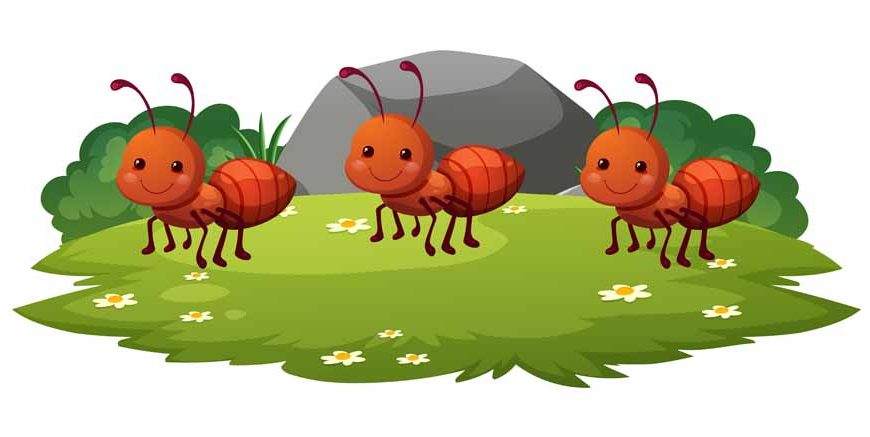
Long before children in India learn their first English alphabet worksheet, they are already absorbing rhythm, repetition, and rhyme through songs sung at home and in preschool circles. The Ants Go Marching is one such song that has quietly earned its place in Indian nurseries, playschools, and living rooms, even though it originally travelled from Western folk tradition. For Indian parents raising children who will one day study, work, or collaborate on a global stage, introducing rhymes like this one is not just about entertainment. It is an early, playful step toward building english fluency, counting skills, and cultural familiarity that many global curricula assume children already possess.
Why This Rhyme Resonates With Indian Parents Today
Indian parenting has visibly changed. Mothers and fathers in metros and smaller towns alike are curating a mix of regional lullabies and globally recognised English rhymes for their toddlers. The ants go marching fits perfectly into this blended approach. Its bouncy, march-like beat mirrors the tune of the older military song “When Johnny Comes Marching Home,” making it instantly catchy for babies and toddlers. Because it uses numbers, simple verbs, and repetitive phrasing, it becomes an easy bridge for children learning English as a second or third language, the reality for most Indian households.
Read More – Nursery Rhymes For Kids with Lyrics
The Ants Go Marching Lyrics Every Parent Should Learn
Here is a commonly sung version of the “Ants Go Marching” lyrics that Indian parents can use at home, during car rides, or while helping little ones fall asleep.
The ants go marching one by one, hurrah, hurrah The ants go marching one by one, hurrah, hurrah The ants go marching one by one The little one stops to suck his thumb And they all go marching down, to the ground, to get out of the rain, boom, boom, boom.
The ants go marching two by two, hurrah, hurrah The ants go marching two by two, hurrah, hurrah The ants go marching two by two The little one stops to tie his shoe And they all go marching down, to the ground, to get out of the rain, boom, boom, boom.
Counting With the Marching Ants Song
Each verse of this marching ants song simply increases the number, so children sing about ants going three by three, four by four, and so on, usually up to ten. This structure quietly teaches sequencing and basic addition patterns without feeling like a lesson at all.
Read More – Elephant And The Ant Story For Children With Moral
Ants in the Apple: A Playful Twist Parents Love
One charming variation many Indian playschools now include is the ants in the apple verse, where the marching ants eventually find their way into a big red apple, causing giggles among toddlers who enjoy imagining tiny insects hiding inside fruit. This twist adds a sensory visual element that helps children connect the song to everyday objects, like fruits, familiar on their kitchen table. Teachers often pair this verse with a picture book or a simple prop, an apple cut-out with dotted ants, to make the rhyme even more memorable.
Building Early English Confidence Through Rhymes
For Indian children preparing for global classrooms, whether that means an international board school in India or eventually studying abroad, early exposure to English nursery rhymes builds a phonetic foundation. Ants marching rhythmically across a page or a screen help toddlers practice pronunciation, syllable stress, and listening comprehension, all skills that standardised English assessments later test formally.
How Parents Can Use This Rhyme at Home
Sing it during daily routines such as bath time or while packing a school bag, since repetition builds memory far better than one-time reading. Use finger puppets or toy ants to physically show marching ants, turning an auditory rhyme into a tactile learning moment. Encourage children to count along on their fingers as each verse number increases, connecting language learning with early numeracy. Combine the rhyme with a simple ants in the apple craft activity using red paper and black dots, reinforcing vocabulary through art.
A Small Rhyme With a Big Developmental Role
While it may look like a simple children’s song, “The Ants Go Marching” carries genuine developmental value. It strengthens auditory memory, introduces counting, and builds an early comfort with English rhythm and rhyme, all wrapped inside a tune children genuinely enjoy singing. For Indian parents thinking ahead about their child’s global readiness, such rhymes offer an accessible, low-pressure starting point.
Read More – Energising Morning Songs for Preschoolers
Final Thoughts
Nursery rhymes like this one prove that global-ready learning does not always need to look formal or academic. Something as simple as marching ants, sung together at home, can plant the earliest seeds of language confidence, numerical thinking, and shared cultural literacy that Indian children will carry with them well beyond their preschool years.
To explore more learning ideas, simple explanations, and early childhood resources, parents can visit the EuroKids Blog. Those who wish to understand the preschool journey better or explore enrolment options can find complete information on the EuroKids Preschool Admission
Page, where learning is joyful, engaging, and child-friendly.