Have you ever dropped a small wind up toy and watched it crack open on the hard living room floor? If you look inside the broken shell, you will not find any electronic magic or tiny batteries. Instead, you will see a bunch of tiny plastic wheels covered in little bumps, all spinning aggressively against each other. These bumpy wheels are called gears. They are the hidden mechanical heroes making your favourite toys move forward. Today, we are going to look closely at the most common type of gear found anywhere in the world. We will learn how these simple spinning circles help heavy machines lift weights and tiny analogue clocks keep time every day.
Understanding the Mechanical Basics
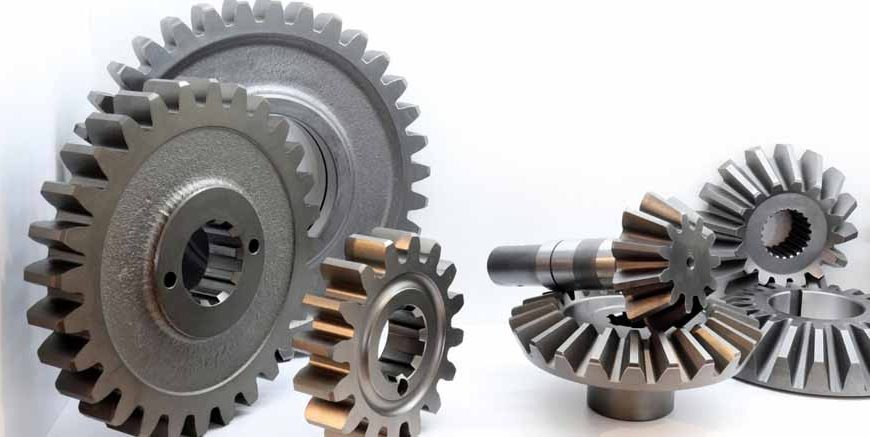
We need to answer the big question first. Exactly what is a spur gear and how does it work? Imagine a perfectly round, flat metal pancake. Now, cut small, evenly spaced square teeth all along the outside edge of that pancake. That is your basic, everyday design. To give a proper spur gear definition, you can say it is a mechanical wheel with straight teeth cut completely parallel to the central hole.
This parallel part is highly important. It simply means the teeth go straight across the flat edge, not on a weird slant or a twisted curve. When you put two of these bumpy wheels next to each other on straight metal sticks, which engineers call shafts, their teeth slot together perfectly like pieces of a jigsaw puzzle. When you physically turn the first wheel, the rigid teeth push heavily against the teeth of the second wheel. This forces the second wheel to spin. Interestingly, it will always spin in the exact opposite direction. This basic pushing action transfers physical power from one place to another without needing belts or chains.
Read More – How an Engine Works
Exploring the Different Categories
Even though the basic shape is simple, engineers need different designs for different jobs. Let us explore the types of spur gear you might find in the real world. Mechanics generally split them into two distinct groups based on where the teeth are located.
First, you have external gears. These are the most normal, common ones you will ever see. The straight teeth are cut directly on the outside of the metal wheel, pointing outwards into the open air. When two external gears lock together and push, they always spin in opposite directions.
Then, you have internal gears. These look a bit like a hollow soup bowl. The rigid teeth are cut on the inside of the metal ring, pointing inwards towards the empty middle. You usually put a much smaller external gear directly inside this hollow bowl. When they lock together and start moving, both the inside wheel and the outside bowl actually spin in the exact same direction. This clever design saves a massive amount of physical space inside small motors.
Daily Examples and Practical Functions
Now, let us look closely at the real world application of spur gear technology. Because these metal or plastic wheels are incredibly easy for factories to manufacture, and because they do not slide around when they spin, engineers use them in absolutely everything. They are the backbone of modern engineering.
Here is a fun list showing exactly where these bumpy wheels hide in your house and your city:
- Kitchen clocks: The tiny ticking hands on your wall clock are driven by microscopic metal gears counting the passing seconds perfectly.
- Washing machines: The heavy drum that aggressively spins your wet clothes relies on strong, thick gears to handle all that heavy water weight without breaking.
- Wind up toys: Small plastic versions sit inside those little cars you pull back and release on the carpet.
- Water pumps: Huge industrial factories use massive steel gears to literally trap and push heavy water through thick underground pipes.
Read More – Science Quiz Questions and Answers for Kids
Why Do Engineers Choose Them?
So why do engineers choose the classic spur gear over other complicated shapes? It mostly comes down to controlling power and speed. If you connect a massive, heavy gear to a tiny gear, something brilliant happens. The massive gear turns very slowly, but it forces the tiny gear to spin incredibly fast. This helps machines build high speeds.
On the flip side, if a tiny gear drives a massive gear, the massive gear turns very slowly but with massive pushing power. This is exactly how a small electric motor can lift a giant metal elevator in a tall office building. They do have one big problem, though. Because the straight teeth smash into each other all at once, they are incredibly loud at high speeds. That is why you rarely find them inside fast car engines. Instead, they are used where things move a bit slower but require huge amounts of raw strength.
Conclusion
It is deeply thought provoking to realise that a simple metal wheel with a few square teeth completely runs our modern world. From the tiny ticking clocks to the massive pumps keeping our cities running, these hidden mechanical heroes do all the heavy lifting in total darkness.
Understanding how these simple tools work helps children look at their toys and household machines with a fresh, highly curious perspective. They stop seeing just a plastic box and start seeing the clever physics hiding inside. To discover more fascinating explanations of how the world works and encourage your child’s natural curiosity, read the latest articles on the EuroKids Blog and secure their vibrant educational journey today via EuroKids Preschool Admission.
FAQs
Why do gears have teeth instead of just being smooth wheels?
If the wheels were completely smooth, they would just slip and slide against each other when pushing heavy weights. The teeth guarantee they grip tightly.
Can you connect more than two gears together?
Yes, you can connect dozens of them in a long line, called a gear train. Each wheel passes power to the next.
What material are these gears usually made from?
Heavy factory machines use solid steel or brass, but children’s toys and small gadgets usually use hard plastic.