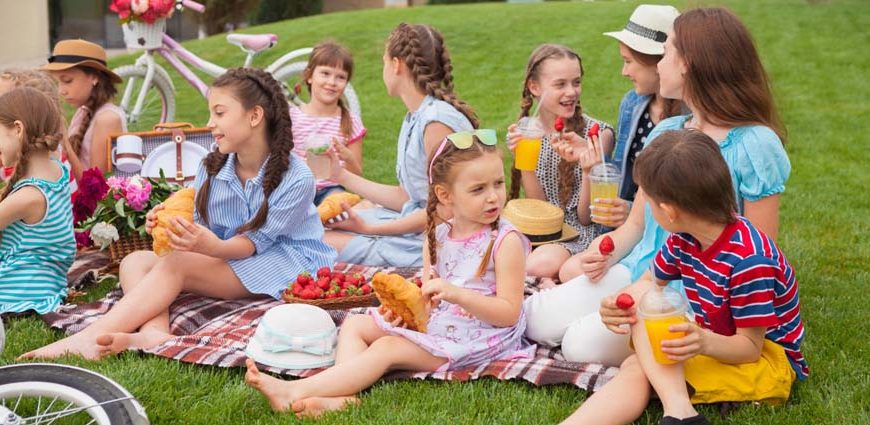
Importance Of School Picnic For Students
There’s an old saying: “All work and no play makes Jack a dull boy.” This is also true for students. Children need breaks from homework and tests. A school picnic is more than just a fun day out. It’s an important experience that refreshes young minds, builds character, and creates lasting memories.
School picnics show that education happens everywhere, not just in classrooms. When children learn outside the classroom, education becomes real and meaningful.
Why School Picnics Matter: Three Key Benefits
1. Personal Development and Independence
Picnics help children discover themselves. Outside the structured classroom, students make independent choices, navigate new situations, and solve problems creatively. A quiet child might confidently lead an activity. Another might discover unexpected leadership abilities.During picnics, children develop practical life skills: planning, decision-making, working with others, and handling unexpected changes. They build resilience and confidence by completing new challenges.
2. Building Real Relationships
At school, student-teacher relationships are formal. At a picnic, this changes. Students see teachers as real people. Classmates interact outside competitive situations. Friendships form across social groups. A shy student might discover shared interests with a popular classmate. A teacher might recognize overlooked potential.These genuine interactions break down the artificial barriers of the classroom. Friendships formed during picnics are often more authentic and lasting.
3. Learning Through Direct Experience
Direct experiences create learning that classroom instruction alone cannot.Children remember experiences far longer than lectures. Sensory memories like museum air, tree scents, nature sounds, anchor learning permanently. When students encounter related information later, their brains connect it to these vivid memories, deepening understanding.
Planning An Effective School Picnic: Five Essential Steps
1. Choose An Appropriate Venue:
The location determines the entire experience. Select places that connect to the curriculum, like historical sites, science centers, botanical gardens, and cultural heritage sites. Balance educational value with enjoyment. Research accessibility, weather, and supervision capabilities.2. Ensure Financial Accessibility:
Cost should never prevent any child from attending. Budget carefully for transportation, entry fees, meals, and contingencies. Explore grants, parent contributions, and school funding. Every student should participate, regardless of family finances.3. Implement Comprehensive Safety Planning:
Safety protocols build parent confidence. Maintain attendance lists, ensure adequate supervision, carry first aid kits, and have emergency contacts ready. Make sure to brief staff thoroughly and communicate clearly with parents.4. Design Meaningful Activities:
Blend education with enjoyment seamlessly. Organize location-specific games, scavenger hunts, interactive tours, and collaborative activities. Students should leave having both enjoyed themselves and learned genuinely.5. Accommodate All Dietary Needs:
Food allergies, dietary restrictions, religious preferences, and vegetarian options require thoughtful planning. When all students enjoy meals comfortably, social experiences are strengthened for everyone.Read More – Picnic Safety Tips for Kids
Real-World Examples: How Picnics Enhance Learning
History Becomes Tangible:
Imagine a history class studying the French Revolution. Reading about events in textbooks creates one understanding. Standing before actual artifacts, journals written during that time, creates something entirely different. History becomes the story of real people, not just dates and facts.Science Comes Alive:
A biology class studying food webs learns one way from textbooks. Observing actual ecosystems at a nature reserve, like watching animals hunt, eat, and survive, creates an authentic understanding. Concepts transform from abstract ideas to observable reality.Mental Health Improves:
Academic pressure is constant for students. Tests, grades, and competition create stress. A day in nature, away from performance pressure, provides genuine psychological relief. Natural environments reduce stress hormones, improve mood, and restore clarity. Students return refreshed, focused, and emotionally balanced.Maximizing Picnic Benefits: Three Key Strategies
1. Give Students Real Leadership Roles
Transform students from passive participants to active leaders. Let them help organize activities, lead discussions, and present information. This builds genuine engagement and leadership skills.
2. Encourage Documentation and Reflection
Ask students to document experiences through photography, sketching, journaling, or creative writing. Later, have them reflect on what they learned and how experiences connected to classroom content. This cements learning and develops self-awareness.
3. Gather Meaningful Feedback
After the picnic, collect student feedback: What did you enjoy? What surprised you? What would you change? This reinforces learning, validates perspectives, and provides data for better future experiences.
Long-Term Benefits Beyond The Day
- Environmental Responsibility:Children learn environmental stewardship experientially, leaving no trace, respecting natural spaces, and understanding human impact. Values developed through experience prove more powerful than lectures.
- Cultural Awareness and Appreciation for Diversity:Visiting cultural heritage sites builds genuine appreciation for human diversity. Students learn that different cultures developed different solutions and that diversity enriches society.
- Resilience and Problem-Solving:Unexpected challenges become learning opportunities. Students who navigate difficulties develop problem-solving abilities, emotional regulation, and resilience valuable throughout life.
- Enhanced Communication Skills:Informal settings encourage authentic expression. Students share ideas freely, collaborate naturally, and build communication confidence. These skills transfer to academic and professional success.
- Fostering Curiosity and Love of Learning:New environments spark genuine questions and curiosity. This innate curiosity, nurtured during picnics, creates engagement that mandatory curriculum alone cannot inspire.
Read More – Enjoyable Picnic Games and Activities to Entertain Kids
Engaging Picnic Games And Activities
Traditional Games
- Sack Race:Children hop in sacks to the finish line. Simple, enjoyable, and suitable for all ages.
- Treasure Hunt:Hide items around the picnic area. Children find treasures using clues or maps. Educational when treasures relate to location learning.
- Tug of War:Two teams pull a rope. Builds teamwork and healthy competition.
- Musical Picnic Blankets:A variation of musical chairs using blankets. Every child remains engaged.
- Three-Legged Race:Pairs tie legs together and race. Teaches coordination and cooperation.
- Nature Scavenger Hunt:Children find specific plants, animals, or natural features. Educational while maintaining exploration.
- Educational Relay Races:Teams answer questions or complete tasks to advance. Combines physical activity with learning.
Creative And Strategic Games
- Water Balloon Toss:Pairs toss balloons, taking a step back after each catch. The last pair with an unbroken balloon wins. This is great for warm weather.
- Picnic Charades:Children act out animals, concepts, or locations related to the site. This help buildcommunication skills and promotes creativity.
- Knot Game:Children sit in a circle holding hands. Without releasing, they untangle into a circle. This helps develop problem-solving.
- Species Hunt Photo Challenge:Children photograph different plants or animals. You can also turn it into a photography competition. This encourages observation.
- Human Bingo:Cards contain phrases like “Find someone born in January” instead of numbers. This helps break down social barriers and builds friendships.
- Orientation Challenge:Provide compasses or maps to find hidden locations. This helps develop navigation skills.
Innovative Picnic Ideas For Enhanced Learning
- Mystery Adventure Picnic:Hide clues around the location. Children solve puzzles to discover secrets.
- Talent Showcase Picnic:Every student shares a talent, and this will help reveal their hidden abilities and build confidence.
- Expert Interview Adventure:Arrange student interviews with local experts. This way, children can learn from authentic sources.
- Picnic Art Challenge:Students will create art inspired by the location. Drawing and painting become cultural learning.
- Time-Travel Picnic:Visit historical locations and imagine daily life during that period. This interactive learning will make history interesting.
- Sensory Exploration Walk:Direct children to focus on what they see, hear, smell, touch, and taste. This will help deepen their environmental awareness.
- Cultural Recipe Discovery:Identify plants or ingredients at the location and learn traditional recipes. Cooking becomes cultural exploration.
Read More –Fun Weekend Activities to do with your Family
FAQs
Q1: What is a school picnic?
A school picnic is an organized educational outing where students, teachers, and sometimes parents visit locations outside school, such as parks, museums, historical sites, nature reserves, or cultural centers. It combines learning with recreation.
Q2: Why are picnics important for student development?
Picnics develop independence, strengthen relationships, provide experiential learning, build social skills, reduce stress, foster values, encourage curiosity, and create lasting memories that enhance development.
Q3: How do picnics support different types of learners?
Picnics engage visual learners through observation, kinaesthetic learners through physical activities, auditory learners through discussions, and social learners through collaboration. This multi-sensory approach benefits all learning styles.
Q4: What safety precautions are essential?
Maintain attendance lists, ensure proper supervision, carry first aid kits, have emergency contacts ready, brief staff on procedures, and communicate plans clearly with parents.
Q5: What are the academic benefits?
Picnics provide context for classroom learning, allow observation of real-world applications, develop critical thinking through problem-solving, build collaboration skills, and create emotional connections that enhance retention.
Q6: How should we prepare students before the picnic?
Connect picnics to the curriculum through pre-visit lessons. Introduce the location’s history or concepts. Discuss behaviour expectations and safety rules. Build excitement and anticipation.
Q7: How do we maximize learning after the picnic?
Encourage reflection and documentation. Discuss experiences and discoveries. Connect observations to classroom content. Have students present what they learned and gather feedback.
Q8: How can schools make picnics inclusive for all children?
Address financial barriers, accommodate dietary needs, provide accessibility for different abilities, ensure supervision for children with special needs, and create activities that all children can enjoy.
Best Practices For Parents
- Before:Talk with your child about what to expect. Help them prepare materials if needed. Encourage excitement about learning.
- During:If attending, support teachers by supervising groups. Encourage your child to participate fully. Take photos of happy moments.
- After:Ask your child what they learned and enjoyed. Listen to their experiences. Help them reflect on discoveries. Reinforce learning through follow-up conversations.
Best Practices For Teachers
- Planning:Connect picnics to curriculum. Choose venues carefully. Communicate with parents. Prepare contingency plans.
- During:Circulate among groups. Facilitate discussions. Encourage participation. Model enthusiasm. Manage time effectively.
- After:Have students document experiences. Facilitate reflection discussions. Gather feedback. Integrate learning into subsequent lessons.
Conclusion
School picnics are essential to education. They offer a balanced blend of leisure and learning. By planning appropriately and understanding why picnics matter for students, schools can create days that are both enjoyable and enriching. Outdoor activities like picnics provide natural therapy for children’s development and growth.
At EuroKids Preschool, we believe in “Play while you Learn.” We focus on creating nurturing environments where young minds explore and grow confidently. For more informative articles on child development, growth, health, and nutrition, check out EuroKids Blogs and visit EuroKids Preschools for the first step in your child’s educational journey!