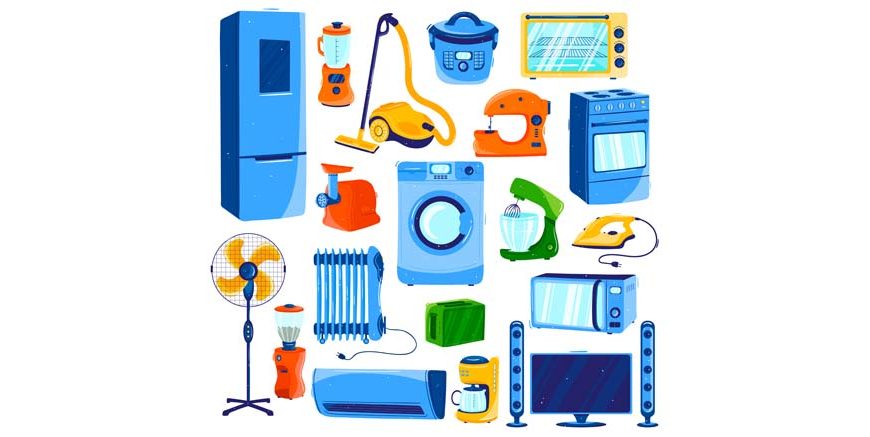
We wake up, flick a plastic switch on the wall, and the room instantly floods with bright, warm light. We push a simple button in the kitchen, and a slice of plain bread transforms into a warm, crispy breakfast. Behind these incredibly simple morning routines hides an invisible, rushing river of energy. Modern human life runs entirely on electricity, powering a vast array of tools that make our days easier, significantly cleaner, and much more entertaining.
We barely even notice them until the power goes out, leaving us completely lost in the dark without our favourite gadgets. Understanding how these machines operate gives children a wonderful sense of how the physical world works. Let us take a careful journey through the rooms of our homes to understand the buzzing, humming helpers that sit quietly on our counters and floors, waiting to do our heavy lifting.
The Meaning of Appliances
What exactly do we mean when we use these technical terms in everyday conversation? If a curious young learner looks around the kitchen and asks for the true appliances meaning, you can explain that it is simply a machine explicitly designed to perform a specific domestic task or household chore.
So, what is electrical device in this exact context? It is any physical tool that needs a steady flow of electrical current to do its job. Whether it plugs directly into a wall socket with a thick cord or runs entirely on small, hidden batteries, if it uses electricity to heat up, cool down, spin around, or light up a screen, it firmly belongs to this brilliant family of human inventions.
Read More – Electrical Safety Tips for Kids
The Broad World of Electrical Equipment
When we look closely at a modern house, a busy school, or a bustling hospital, we find electrical equipment hiding in plain sight everywhere we turn. This incredibly broad category covers absolutely everything that requires power to function safely and correctly.
From the massive, spinning air conditioning units bolted to the roof, keeping entire buildings cool during the hot summer, to the tiny, blinking smoke alarms securely attached to the hallway ceiling, all electrical items share one fundamental, common goal. They take raw, invisible electrical energy and cleverly transform it into useful, physical work. They take the quiet current and turn it into loud sound, bright light, or rapid motion, proving that science is always operating right under our noses. It is fascinating to think about how much we depend on these items. Before these tools were invented, tasks like washing clothes or preserving fresh food took an immense amount of physical labour and hours of hard manual work. Today, a flip of a switch handles it all.
Home Electrical Products
Every modern house heavily relies on a core group of massive machines to keep family life running smoothly. These large home electrical products are the absolute heavy lifters of our daily chores.
Think of the tall, heavy refrigerator humming quietly in the corner of the kitchen. It works tirelessly, day and night, using a motor to pull warm air out of its insulated box so your milk and fresh vegetables stay perfectly crisp and cold.
Consider the noisy washing machine, which uses significant electrical power to aggressively spin a heavy metal drum and pump gallons of soapy water, effortlessly turning muddy trousers and grass-stained shirts into perfectly clean clothes. Because these specific machines do such heavy, continuous work for the family, they use a substantial amount of energy and are usually plugged directly into the main, heavy-duty wiring of the house.
Read More – Names Of Household Appliances In English
Small Electrical Appliances
While the big, bulky machines handle the heavy, exhausting chores, our kitchen counters and bathroom shelves are beautifully lined with smaller, highly specialised gadgets. These are the tools we interact with the most on a daily basis.
Here is a helpful list of common small electrical appliances that make daily family life absolutely brilliant:
- The Pop-up Toaster: It takes electricity from the plug and pushes it through rows of incredibly thin metal wires until they glow bright red with heat, perfectly crisping your morning bread in minutes.
- The Hair Dryer: This clever little tool uses a tiny, fast-spinning motor to blow room-temperature air over hot electric coils, safely drying wet hair before school.
- The Kitchen Blender: With the simple push of a button, raw electrical energy spins sharp metal blades at dizzying, invisible speeds to turn solid fruit and milk into a smooth, delicious drink.
- The Electric Kettle: It pushes a strong current of electricity through a thick metal element hidden at the base, creating rapid, intense heat that brings cold tap water to a bubbling boil for a quick, comforting cup of tea.
- The Iron: It uses stored electrical heat and sudden bursts of steam to press out the stubborn wrinkles in our clothes, making us look incredibly smart and tidy for the day ahead.
Read More – Prevent Electrical Hazards for a Secure Home
Summary
Living in a modern home is remarkably similar to living inside a giant, well-oiled, highly engineered machine. Every room is filled with clever tools designed to save us precious time and physical energy. By understanding exactly how these daily gadgets work, children organically learn to respect the immense, invisible power of electricity and deeply appreciate the brilliant human engineering that makes our lives so incredibly comfortable and safe.
The next time you press a button to quickly warm your dinner, vacuum the living room rug, or dry your hair, take a quick, quiet moment to think about the amazing, rapid journey of energy that makes it all happen. It is a fantastic, daily reminder that science is not just an abstract subject found in dusty school laboratories; it is working incredibly hard in our kitchens, bedrooms, and bathrooms every single day.
To uncover more fascinating, family-friendly learning journeys and to give your child the absolute brightest educational start, explore the EuroKids Blog and find out all the essential details regarding EuroKids Preschool Admission today.
FAQs
What exactly is an electrical device?
It is any specific tool or machine that explicitly requires an electrical current, either from a wall socket or a battery pack, to perform its designed job.
What are some examples of small electrical appliances?
Common, everyday examples include pop-up toasters, kitchen blenders, handheld hair dryers, and electric kettles.
How do these items make our lives easier?
They save us immense amounts of time and physical effort by automating difficult chores like washing heavy clothes, keeping food fresh for days, and cooking family meals quickly.