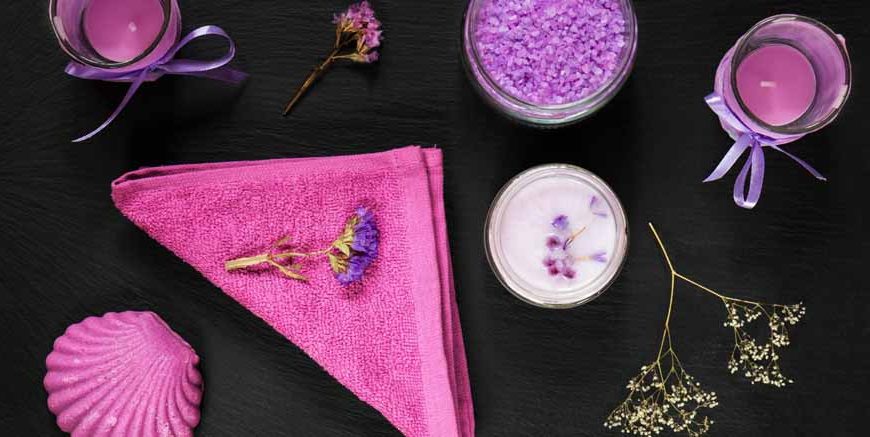
You may notice that children start recognising colours long before they can read or write. A toddler points at a flower and smiles. A preschooler chooses a crayon again and again because something about that shade feels comforting or exciting. Colours become one of the first ways children understand, describe, and emotionally connect with the world around them. Among all colours, the purple colour often stands out because it feels different, creative, and slightly magical to young minds.
When you teach children about colours, you do more than help them name what they see. You help them build vocabulary, strengthen memory, and sharpen observation skills. Learning colours also supports emotional expression, as children often describe feelings using colours long before they find the right words. This is where teaching purple colour things, violet things, and purple colour objects becomes meaningful rather than mechanical.
This blog helps you understand how to introduce the purple colour thoughtfully, using everyday experiences, nature, play, and structured learning. It speaks to parents who want learning to feel natural and joyful, not forced. It also shows how early education environments like EuroKids support colour learning in ways that stay age-appropriate, engaging, and deeply human.
Understanding the Purple Colour and Why Children Are Drawn to It
The purple colour forms when red and blue come together. Red brings energy and warmth, while blue brings calm and stability. When children see purple, they often sense both emotions at once. This balance makes purple appealing, soothing, and exciting at the same time. For young learners, this combination sparks curiosity and imagination.
Children often associate purple with stories, cartoons, fantasy characters, and creative play. They may not know why they like it, but they feel drawn to it. When you acknowledge this preference and build learning around it, children feel seen and understood. That emotional connection makes learning more effective.
Teaching purple also supports colour differentiation. Since purple is not a primary colour, children begin to understand that colours can mix and change. This gently introduces early concepts of science, creativity, and cause-and-effect thinking. You do not need complex explanations. Simple conversations and observations work best.
Read More – Colour Identification Games for Preschoolers
A Brief History of Purple Colour in Human Life
Long before purple became common in clothes, toys, or school supplies, it was rare and special. Historically, purple dye came from natural sources that were difficult to collect. Because of this, only royalty and wealthy individuals wore purple clothing. Over time, purple became associated with creativity, dignity, and imagination.
Sharing this story with children helps them understand that colours have meaning and history. You do not need to teach dates or facts. You simply explain that purple was once special and valuable, just like learning is special for them today. This connection helps children respect learning and see colours as part of a bigger story.
When children understand that colours exist beyond crayons and toys, they begin to observe the world more carefully. They ask better questions. They notice details. This curiosity forms the foundation of lifelong learning.
Purple Colour Things Found Inside the Home
Your home already offers many opportunities to teach purple colour things naturally. You may have purple cushions, bedsheets, toys, clothes, water bottles, or books. Even small objects like hair clips, stickers, or lunch boxes can become learning tools.
Instead of pointing and quizzing, you can talk. You might say, “Your bottle is purple today” or “That teddy is a purple colour object.” When children hear colour names used casually and repeatedly, they remember them without effort. Learning becomes part of daily conversation, not a task.
Children feel safe learning at home. When you connect colours to comfort and routine, the knowledge stays with them. Over time, they start identifying purple objects on their own, which builds confidence and independence.
Read More – Color Activities for Preschoolers
Purple Things in Nature That Ignites the Curiosity
Nature offers some of the most beautiful purple things for children to observe. Flowers like lavender, orchids, and petunias introduce soft shades of purple. Fruits such as grapes and plums show how purple appears in food. Even sunsets sometimes carry purple hues that fascinate young eyes.
When children see purple colour objects in nature, learning becomes sensory. They see, touch, smell, and sometimes taste. These experiences strengthen memory far more than flashcards or screens ever could.
Nature walks, gardening, or simple park visits become learning moments when you gently name what you see. Children start connecting colours with seasons, growth, and life itself. This builds awareness and appreciation alongside knowledge.
Violet Colour Things and Building Colour Vocabulary
Many parents wonder about the difference between purple and violet. For young children, both appear similar, yet introducing violet colour things helps expand vocabulary and observation skills. Violet usually appears slightly closer to blue, while purple leans towards red.
You do not need technical explanations. You can simply say that some purple things are called violet. This teaches children that words can describe small differences, which supports language development.
Using both violet things and purple things helps children understand shades and variety. This awareness supports art, creativity, and early visual literacy. Children begin noticing details, which improves focus and descriptive ability.
Read More – How Colours Affect Learning and Mood of Children
Purple Colour Objects in Learning and School Spaces
Classrooms often use purple colour objects intentionally. Colourful charts, books, craft materials, and play equipment help maintain attention and emotional comfort. Purple, in particular, often appears in creative corners, reading areas, and activity zones.
When children associate purple with learning spaces, they connect the colour with exploration and confidence. They feel encouraged to try, express, and imagine. This emotional safety supports deeper learning. Early education environments that thoughtfully use colour help children stay engaged without overstimulation. Balance matters, and purple offers calm creativity.
Teaching Purple Colour Through Play and Everyday Activities
Children learn best when learning feels like play. Drawing with purple crayons, sorting purple colour things, painting flowers, or storytelling with purple characters builds understanding naturally.
You do not need structured lessons. Simple activities like asking a child to find purple objects in a room or choosing purple fruits at the market create powerful learning moments. Children feel involved, capable, and curious. Play strengthens fine motor skills, creativity, and language at the same time. When learning feels joyful, children stay open and confident.
When children learn colours, they also learn words, sentence structure, and expression. Naming purple colour objects helps children form descriptive sentences and ask meaningful questions. Language grows through observation and conversation. Colour learning also supports memory, categorisation, and problem-solving. Children group objects, compare shades, and recall names. These skills support reading, writing, and logical thinking later. Colours give children a voice before complex language develops. This makes early colour learning deeply valuable.
Why Structured Early Learning Matters in Colour Education
While home learning plays a big role, structured early education helps children learn consistently and confidently. Trained educators understand how to introduce colours gradually and meaningfully. Children benefit from repetition, routine, and guided exploration. In a preschool environment, colours appear in stories, songs, art, and daily activities. Learning feels natural because it aligns with developmental stages.
How EuroKids Encourages Colour Learning Naturally
At EuroKids, colour learning becomes part of everyday experiences. Educators introduce colours through storytelling, creative play, observation, and conversation. Children learn without pressure because the environment supports curiosity and comfort.
Parents can explore similar learning ideas through the EuroKids Blog section, which shares insights, activities, and guidance for early childhood development. EuroKids follows the Heureka Curriculum, which supports concept-based learning and helps children understand ideas like colours through exploration and reasoning.
Read More – Short Moral Stories for Kids in English
Conclusion
Teaching children about the purple colour, purple colour things, violet colour things, and purple objects builds far more than colour recognition. It supports language, confidence, creativity, and emotional expression.
When you choose the right learning environment, children feel encouraged to explore and grow naturally. If you are considering structured early learning, EuroKids Admission offers an opportunity to support your child’s development through thoughtful, experience-based education. Early learning shapes lifelong confidence. Colours are just the beginning.
Frequently Asked Questions
Why is teaching colours important for young children?
Colour learning supports language, memory, emotional expression, and observation skills during early development.
What are some easy purple colour things children can recognise daily?
Toys, clothes, fruits, flowers, books, and classroom materials often include purple.
Is there a difference between purple and violet for kids?
Yes, violet is a shade closer to blue, while purple leans towards red, and both help expand vocabulary.
At what age should children start learning colours?
Most children begin recognising colours between two and three years of age through daily exposure.
How can parents support colour learning at home?
Through conversation, play, observation, and encouraging curiosity during everyday activities.