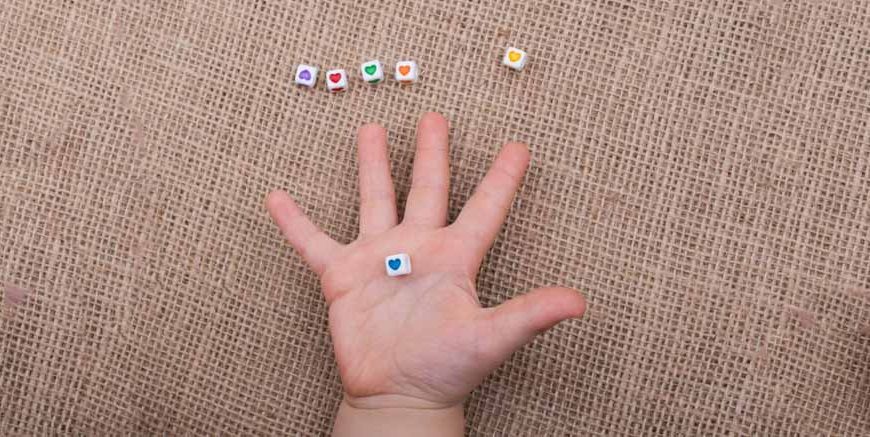
A baby staring intently at their own hands is witnessing a major biological revelation. To them, these wiggling digits are fascinating, highly complex tools that have suddenly appeared at the end of their arms. They twist their wrists, chew on their thumbs, and clumsily try to grasp a wooden block. This raw, unfiltered fascination with their own physical form provides the absolute perfect launchpad for early education.
We do not need to sit toddlers down with complex biology charts to teach them about human anatomy; we simply need to turn their natural curiosity into a highly engaging, physical game. By introducing the classic one little finger song into your daily routine, you can seamlessly blend vital vocabulary with crucial motor skills. Let us strip away the complicated teaching theories and look at how this simple tune helps young children master their own bodies.
The Power of One Little Finger Rhymes
When we look at traditional one little finger rhymes, the true brilliance lies in their extreme simplicity. Toddlers are easily overwhelmed by songs with massive, complicated narratives or overly fast tempos. They need clear, slow, and highly predictable instructions.
This specific song acts exactly like a gentle, musical map of the human body. It isolates a single, highly controllable part of the child’s body, the index digit, and uses it as a physical pointing tool. By asking the child to take that specific digit and tap it against different areas of themselves, the song forces them to mentally connect a spoken word with a physical location.
When they hear the word “nose” and immediately physically touch their own nose, the vocabulary locks into their memory far more effectively than if they had just looked at a static picture in a book. It is a highly active, totally immersive method of learning basic human anatomy.
Read More – Nursery Rhymes For Kids with Lyrics
The Classic One Little Finger Lyrics
To get the learning game properly started in your living room, you need to know the basic structure of the song. The fantastic thing about the one little finger lyrics is that they are entirely repetitive and completely customisable. Once you know the foundation, you can change the anatomical targets to suit your child’s current learning level. Here are the traditional lyrics:
One little finger, one little finger,
One little finger, tap, tap, tap.
Point your finger up,
Point your finger down,
Put it on your head. Head!
One little finger, one little finger,
One little finger, tap, tap, tap.
Point your finger up,
Point your finger down,
Put it on your nose. Nose!
(You simply continue this exact same repetitive pattern, substituting the final word with chin, arm, leg, and foot).
Mastering Motor Skills and Spatial Awareness
Singing the catchy one little finger one little finger chorus is not just a vocabulary exercise; it is a heavy-duty workout for a child’s gross and fine motor skills.
When the song commands them to “tap, tap, tap,” it is asking for something quite physically complicated. A toddler has to isolate one specific digit, keep the rest of their hand closed, and control their physical strength to gently tap the air or their leg without violently hitting themselves. This intense level of physical control is precisely what they will need later in life to properly hold a writing pencil, tie a tricky shoelace, or safely use a pair of metal scissors.
Furthermore, the lines “Point your finger up, point your finger down” introduce vital spatial awareness. Children have to physically orient their bodies in relation to the room around them. They learn the stark difference between the ceiling and the floor, translating abstract directional words into actual physical movements.
Read More – Best Nursery Rhymes List for Kids
Expanding the Anatomical Map
The most useful aspect of this specific song is its endless flexibility. You are not strictly limited to the basic body parts mentioned in the classic version. Once your child confidently knows where their head and their nose are, you can use the tune to drastically expand their anatomical vocabulary.
You can challenge them to find their elbow, their ankle, their shoulder, or their eyebrows. You can even make it a highly interactive, two-person game by asking them to “Put it on Mummy’s nose!” or “Put it on the sofa!” This keeps the activity fresh and forces the child to constantly think and react to new instructions rather than just blindly going through a memorised routine.
Learning Through Active Physical Discovery
Connecting spoken academic vocabulary directly to physical movement is absolutely vital for early childhood development. Children are messy, tactile learners who need to physically feel the world to properly understand it. This active, highly physical approach to discovering anatomy is the exact bedrock of the Heureka curriculum.
Instead of asking young children to passively stare at a complex anatomical diagram on a whiteboard, this curriculum actively pushes them to physically touch their own knee, tap their own chin, and directly interact with their environment. When a child learns through active movement, the information bypasses short-term memorisation and builds deeply rooted, permanent neural pathways. They are not just parroting back a word they heard; they are demonstrating genuine, mechanical understanding of their own physical space.
Conclusion
Transforming a chaotic, noisy afternoon into a highly effective anatomy lesson does not require expensive flashcards or complex digital tablet games. It only requires a catchy melody and a bit of enthusiastic pointing. Watching a child finally figure out the physical connection between the word they are singing and the body part they are touching is a massive developmental victory. It completely changes how they view themselves, giving them the exact vocabulary they need to communicate when they have a tummy ache or a scraped knee.
It is genuinely thought-provoking to realise that a simple, repetitive song about a single pointing digit is actually laying the essential groundwork for their future reading, writing, and spatial reasoning skills. Are we taking enough time to sing these foundational, physical songs with them? Fostering this kind of active, joyful body awareness creates fiercely confident, articulate children who feel completely comfortable in their own skin. Discover more practical parenting insights on the EuroKids Blog, and take the next confident step in your child’s journey by exploring EuroKids Preschool Admission today.
FAQs
At what age can a child successfully join in with this song?
Babies as young as nine to twelve months will enjoy watching you perform the actions, but toddlers between eighteen months and two years old will actively start trying to isolate their index digit and point to their own heads.
Why does the song repeat the same line so many times?
Heavy repetition is a highly effective tool for early language acquisition. Repeating the exact same phrase gives a young brain the necessary time to process the words, predict the rhythm, and eventually find the confidence to sing out loud.
What should I do if my child points to the wrong body part?
Simply gently guide their hand to the correct spot while smiling and repeating the word clearly. Never tell them they are wrong or make a fuss; just keep the physical game moving so they stay engaged and happy.