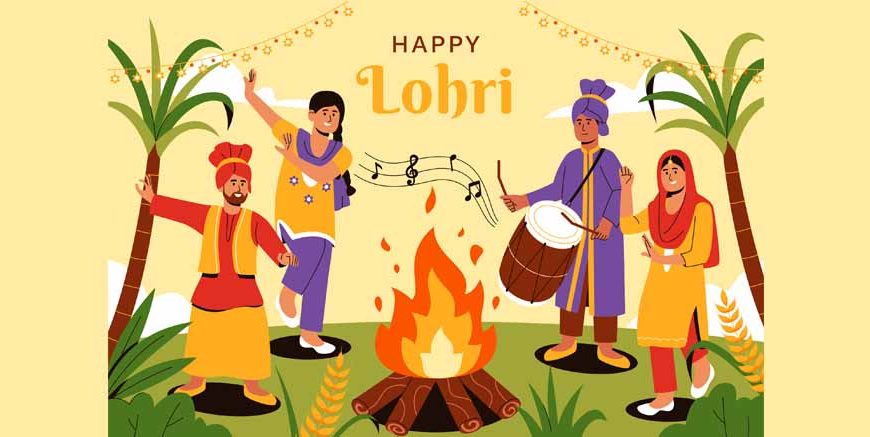
Lohri is a joyful and colorful festival celebrated mainly in North India, especially in Punjab, Haryana, and Delhi. It marks the end of winter and welcomes longer days and the harvest season. For children, Lohri is an exciting festival filled with bonfires, songs, dances, and tasty treats. Learning about Lohri through stories helps children understand Indian traditions, seasonal changes, and important moral values. A short Lohri story for kids is one of the best ways to explain the meaning of this festival simply and engagingly. Stories not only make learning fun but also help children remember values like sharing, kindness, and gratitude.
What Is Lohri?
Lohri is a harvest festival celebrated every year on 13th January. It is mainly celebrated by farmers and families to thank nature for good crops. On this day, people gather around a bonfire, sing folk songs, dance, and offer food like peanuts, popcorn, and sweets to the fire. For children, Lohri is a festival of warmth, joy, and togetherness. Just like festivals taught through storytelling, a Lohri story for kids in English helps children easily understand why this day is special.
Read More – Harvest Festivals in India
Short Lohri Story for Kids
Story 1: The Brave Dulla Bhatti
Once upon a time, there lived a brave and kind man named Dulla Bhatti in Punjab. He was famous for helping poor families and protecting young girls who were treated unfairly. Dulla Bhatti believed that everyone deserved respect and safety. He stood up against injustice and never feared powerful rulers. People loved him for his courage and good heart. During Lohri, villagers gathered around the bonfire and sang folk songs to remember his bravery and kindness. Over time, Dulla Bhatti became a beloved hero in Lohri folklore.
Moral: Being kind and standing up for others makes you truly strong.
Story 2: The Sharing Farmer
A hardworking farmer worked day and night in his fields, patiently waiting for the crops to grow. After months of effort, he finally harvested a good crop. Instead of keeping everything for himself, he thanked the Sun and nature for their blessings. On Lohri night, the farmer shared peanuts, jaggery, and grains with his neighbors and offered food to the bonfire. Everyone felt happy and blessed. The farmer learned that sharing his harvest brought him more joy than keeping it alone.
Moral: Sharing brings happiness and strengthens friendships.
Read More – Inspiring Story of Raja Harishchandra for Children
Story 3: The Warm Bonfire
One cold winter evening, villagers felt tired, lonely, and unhappy. Seeing this, an elder suggested lighting a bonfire and gathering together. As the fire burned brightly, people felt warm and cheerful. They sang songs, danced happily, and shared food. The laughter and togetherness filled their hearts with joy. From that day onward, the villagers decided to celebrate Lohri every year by lighting a bonfire and spending time together. The festival became a symbol of warmth and unity.
Moral: Togetherness brings warmth to life.
Story 4: Thanking the Sun
One day, a curious little boy asked his grandmother why people celebrate Lohri. She lovingly explained that farmers thank the Sun for helping crops grow and giving food to everyone. That evening, the boy joined his family near the bonfire. He offered peanuts and jaggery to the fire and quietly thanked nature for its gifts. He felt proud and happy. From that day on, the boy learned to respect nature and never waste food or resources.
Moral: We should respect nature and be thankful for its gifts.
Values Children Learn from Lohri Stories
From Lohri stories, children learn:
- Gratitude towards nature
- Respect for farmers
- Joy of sharing food
- Importance of community
- Kindness and bravery
That is why a short Lohri story for kids is often included in school lessons and festival activities.
Read More – Indian Folk Tales For Kids With Moral Lessons
How EuroKids Makes Festival Learning Engaging
At EuroKids, festivals like Lohri are introduced in a way that matches a child’s curiosity and age. Instead of just learning, children experience festivals through stories, movement, art, and conversations. This approach helps children enjoy learning while understanding cultural values in a natural way. EuroKids helps children learn about Lohri by:
- Sharing simple Lohri stories with morals
- Encouraging children to talk about winter, fire, and warmth
- Using art activities like bonfire drawings and collage work
- Teaching sharing through group snack activities
- Using songs and rhythms to explain festival traditions
Conclusion
Lohri is a festival of warmth, happiness, and gratitude. Through a Lohri story for kids with a moral, children learn valuable lessons about sharing, kindness, and respect for nature. Stories make it easy for young minds to understand why Lohri is celebrated and what it teaches us.
When festivals are taught through engaging stories and activities, children connect with traditions joyfully. With supportive early learning environments like EuroKids, festivals such as Lohri become meaningful experiences that shape a child’s values, confidence, and cultural awareness.
Read more child-friendly festival and learning blogs from Eurokids Blog. Explore early childhood programs and admissions from the Eurokids admissions page.
FAQs:
1. What is Lohri in simple words?
Lohri is a harvest festival celebrated in winter to welcome longer days and thank nature.
2. When is Lohri celebrated?
Lohri is celebrated every year on 13th January.
3. What is a Lohri story for kids with moral?
It is a simple story that explains Lohri while teaching values like sharing and kindness.
4. Why do people light a bonfire on Lohri?
The bonfire represents warmth, happiness, and gratitude to nature.
5. How do schools like EuroKids teach Lohri?
EuroKids uses stories, songs, art, and group activities to help children understand festivals joyfully.