Most toddlers absolutely love getting their hands dirty. The moment they spot a muddy patch in the garden after a heavy rain shower, they grab a plastic spade and start digging as if they are actively looking for buried treasure. But instead of just telling them to wash their hands and keep their clothes clean, we can use this natural childhood curiosity to teach them some brilliant science.
When children dig down into the dirt, they are not just making a mess; they are actually travelling through different historical timelines of the earth. Teaching the layers of soil for kids does not require a boring geology textbook or complex diagrams. It just takes a little bit of creativity, some household items, and a willingness to embrace the mud.
Understanding the layers of land
If you want to explain the concept of the ground to a very young child, the easiest and most effective way is to compare it to a giant, messy cake. The earth is not just one solid block of brown dirt going all the way down to the core. It is actually made up of several distinct, stacked sections piled neatly on top of each other.
These layers of land each have a totally unique job to do, and they all look and feel completely different. By breaking the concept down into bite-sized, highly visual pieces, preschoolers can easily understand that the ground beneath their feet is a busy, living ecosystem rather than just a place to wipe their muddy boots. They begin to see the garden as a layered house, where the plants live on the top floor and the heavy rocks sleep in the basement.
Read More – Types of Landforms of the Earth
Explaining what are the layers of soil
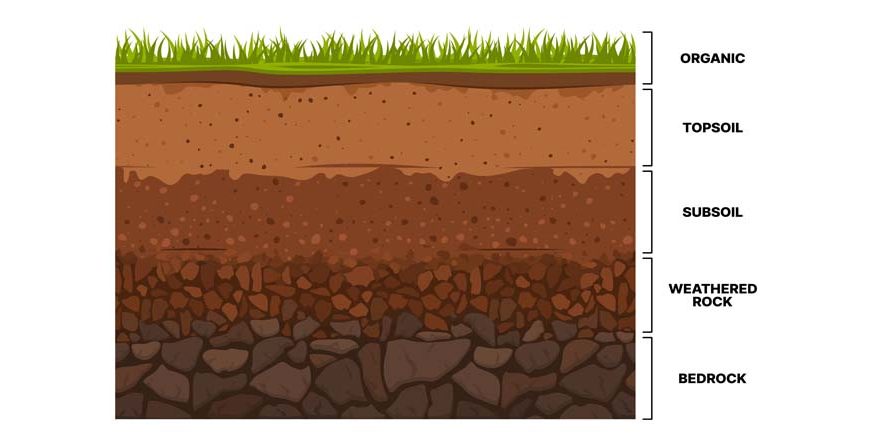
Before you start planning fun weekend activities, you need to know the basic science yourself so you can confidently answer their endless string of ‘why’ questions. So, what are the layers of soil in a way a four-year-old can easily grasp?
First, we have the top layer, famously known as the topsoil. This is the dark, squishy, crumbly dirt right at the surface where the green grass grows, the beetles crawl, and the dead autumn leaves fall. It is packed completely full of rich nutrients and acts like a kitchen for all the garden plants.
Underneath that dark layer sits the subsoil. This section is much lighter in colour, usually a bit sandy or full of thick, sticky clay. It is significantly harder than the top layer and holds the deep roots of massive, ancient trees.
Finally, right at the very bottom, we hit the bedrock. You can explain this to a child as the solid, heavy stone foundation that holds the entire garden up. It is the tough floor that stops everything from sinking away.
Read More – Simple Ways to Teach Kids About the Environment
Fun activities to explore the different layers of soil
You simply cannot teach a preschooler about dirt by just talking to them while they sit still. They need to physically touch it, smell it, and even taste a pretend version of it to make the lesson stick. Here is a practical list of incredibly easy, hands-on activities to help them explore the different layers of soil right at home:
The Edible Dirt Cup
This is an absolute classic activity that always ends in messy, smiling faces. Grab a clear plastic cup so the children can see directly through the sides. Start by placing a whole, hard chocolate biscuit at the very bottom of the cup to represent the solid, heavy bedrock. Next, spoon in some thick chocolate pudding or heavy mousse to act as the sticky, lighter subsoil. Finally, crush up some dry chocolate cookies and sprinkle them thickly on top for the crumbly, dark topsoil. Throw in a few gummy worms to represent the busy insects living near the surface. As they eat their dessert with a long spoon, they are literally digging through the earth’s crust.
The Glass Jar Experiment
Head out to the garden and let your child scoop a few large handfuls of normal dirt into a large, clear glass jar. Fill the rest of the empty jar with tap water, screw the lid on very tightly, and let them shake it as hard as they possibly can. Set the muddy jar down on the kitchen table and leave it completely alone for a few hours. When you come back, gravity will have done a brilliant sorting job. The heavy pebbles and rocks (bedrock) will have sunk right to the bottom, the sand and clay (subsoil) will be resting in the middle, and the dark organic dirt (topsoil) will be floating right at the top.
The Big Garden Dig
Sometimes the absolute best way to learn is simply to get outside and get messy. Give your child a sturdy plastic trowel and find a patch of the garden where they are safely allowed to dig a deep hole. Ask them to closely notice how the dirt physically changes as they go deeper into the ground. They will quickly feel that the top is soft, dark, and crumbly, while the dirt further down becomes much harder, lighter in colour, and significantly more difficult to dig through.
Read More – How do you make science interesting for kids?
Conclusion
It is genuinely profound to think that the simple, messy dirt we walk on every single day holds the entire foundation of life on our planet. Without these perfectly stacked, mineral-rich layers, we would simply not have towering oak trees, colourful summer flowers, or the fresh vegetables on our dinner plates. When we take the time to sit in the mud with our children and explain how the ground actually works, we are doing much more than teaching them a quick weekend science lesson.
We are actively raising a generation of environmentally conscious people who will respect and protect the natural world as they grow up. This hands-on, deeply inquisitive approach to nature is a cornerstone of our Heureka Curriculum, which encourages children to learn through direct experience, getting their hands dirty, and finding joyful discovery in everyday objects. To find more brilliant ways to support your child’s early learning adventures, read the latest articles on the EuroKids Blog and secure their vibrant academic future today through EuroKids Preschool Admission.
FAQs
Why is the top layer of dirt so incredibly dark?
The top layer is very dark because it is completely full of organic matter, which includes decaying autumn leaves, tiny twigs, and helpful bugs that break everything down to create rich nutrients for the plants.
Can tree roots really reach all the way down to the solid rock?
Most plant roots stay right near the surface to easily gather rainwater, but very large, old trees will purposefully send their thickest taproots deep into the subsoil and down to the bedrock to stay securely anchored during strong winter winds.
How long does it actually take for the ground to form?
It takes a ridiculously long time! It can easily take up to a thousand years for the earth to naturally create just one single inch of fresh, nutrient-rich topsoil from breaking down solid rocks and dead leaves.