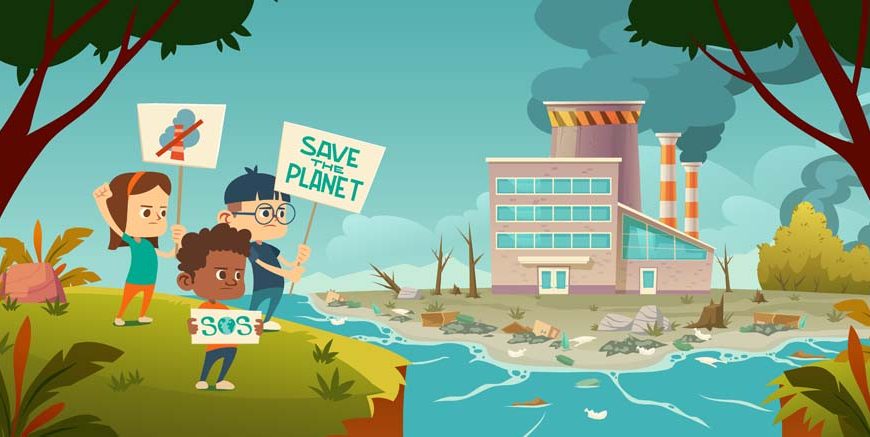
Land is one of the most valuable gifts of nature. It gives us food, homes, forests, and space to live. However, human activities have caused serious damage to the land. This problem is called land pollution. Children should learn early about protecting the Earth, so they grow up to become responsible citizens.
In this article, we will learn what is land pollution, the causes of land pollution, its effects, and the solution of soil pollution in simple language suitable for young students.
What is Land Pollution?
Land pollution occurs when harmful waste and chemicals are dumped on land, contaminating the soil and making it unsafe. It damages the Earth and affects plants, animals, and people.
Land Pollution Definition
The land pollution definition can be explained simply:
Land pollution is the contamination of land by waste materials such as plastic, chemicals, garbage, and industrial waste that harm the soil and environment.
Another common term used for land pollution is soil pollution or earth pollution.
When the land becomes polluted, it becomes difficult to grow crops and maintain a healthy ecosystem.
Read More – Essay On Environmental Pollution
10 Lines on Land Pollution (For Classes 1, 2 & 3)
Here are 10 lines on land pollution that young students can easily learn:
- Land pollution means making the Earth dirty.
- It happens when people throw garbage on the ground.
- Plastic waste is one of the biggest causes of land pollution.
- Factories also release harmful waste into the soil.
- Land pollution harms plants, animals, and humans.
- Dirty land cannot grow healthy crops.
- It can cause many diseases.
- Recycling and proper waste disposal can reduce land pollution.
- Planting trees helps protect the soil.
- We should keep our Earth clean and safe.
These points can also be used as a short land pollution essay for early-grade students.
Paragraph on Land Pollution (Short Essay)
Land pollution is a serious environmental problem. It occurs when waste such as plastic, chemicals, and garbage is thrown on the ground. This makes the soil dirty and harmful to plants and animals. Land pollution also affects human health and food production. When farmers grow crops on polluted land, the crops may become unsafe to eat. We can reduce land pollution by throwing waste in dustbins, recycling materials, and planting more trees.
Causes of Land Pollution
Understanding the causes of land pollution helps children and adults learn how to protect the Earth.
1. Improper Waste Disposal
One of the biggest causes of earth pollution is throwing garbage on open land. Plastic bags, food waste, and packaging materials are often dumped on roadsides or empty fields.
In many cities in India and around the world, large landfills are created to dump waste, which pollutes nearby soil and water.
2. Industrial Waste
Factories produce chemicals and toxic materials. When these wastes are not treated properly, they contaminate the land and cause severe soil pollution.
For example, industrial pollution in some parts of China and the United States has affected farmland and made the soil unsafe.
3. Agricultural Chemicals
Farmers often use pesticides and fertilisers to grow crops faster. However, excessive use of these chemicals can damage the soil quality and lead to land pollution.
4. Deforestation
Cutting down trees removes the natural protection of the soil. Without trees, the soil becomes weak and more prone to pollution and erosion.
5. Construction Activities
Rapid urban development also contributes to land pollution. Construction waste like cement, bricks, and metal scraps is often dumped in open areas.
Megacities such as Delhi, Mumbai, and New York face challenges in managing construction waste.
Read Blog – Save the Earth Essay for Kids
5 Effects of Land Pollution
The effects of land pollution can harm the environment and human life.
1. Damage to Soil Quality
Polluted land loses its nutrients and fertility. This makes it difficult for plants and crops to grow.
2. Harm to Animals
Animals often eat plastic or garbage thrown on land, which can cause illness or death.
3. Health Problems in Humans
Land pollution can lead to diseases when harmful chemicals enter food and water supplies.
4. Loss of Natural Beauty
Garbage-filled land looks unpleasant and affects tourism and community well-being.
5. Environmental Imbalance
Polluted soil disrupts ecosystems and harms insects, birds, and plants that depend on healthy land.
Air, Water, and Land Pollution
Environmental pollution does not affect only the land. There are three main types of pollution:
Air Pollution
Air pollution occurs when harmful gases and smoke enter the atmosphere from vehicles, factories, and burning waste.
Water Pollution
Water pollution happens when waste and chemicals contaminate rivers, lakes, and oceans.
Land Pollution
Land pollution occurs when waste and harmful substances damage the soil.
These three types, air, water, and land pollution, are closely connected. When land is polluted, chemicals can enter water bodies and even the air.
Land Pollution Information for Students
Here are some interesting facts and land pollution information for young learners:
- Every year, millions of tons of plastic waste are dumped on land.
- Some plastic materials take hundreds of years to break down.
- Landfills are large areas where garbage is buried underground.
- Recycling helps reduce waste and protect the soil.
- Composting food waste can improve soil health.
Countries around the world are working to reduce land pollution through recycling programs, waste segregation, and eco-friendly products.
Read More – Simple and Short Essay on Nature for Children
How EuroKids Builds Strong EVS Foundations
When Environmental Studies (EVS) is introduced through observation, storytelling, nature walks, and hands-on exploration, young learners begin to understand their surroundings in a meaningful and lasting way. Instead of memorising facts about plants, animals, or seasons, children learn by experiencing and questioning the world around them. This is why structured early education programs focus on experiential and inquiry-based learning rather than rote memorisation.
At EuroKids, foundational EVS concepts are nurtured through the HEUREKA – Visible Thinking Curriculum. This approach encourages children to explore themes such as “My Family,” “My Community,” “Plants and Animals,” “Seasons and Weather,” and “Good Habits” through interactive discussions, thematic projects, role play, outdoor exploration, and guided observation.
The Visible Thinking framework helps children observe carefully, think deeply, and express their ideas confidently. Through activities like nature-based learning, environmental awareness projects, sensory exploration, and group conversations, children develop curiosity about how things grow, how communities function, and how they can care for the environment.
With a child-centric, play-based methodology refined over 20+ years and implemented across 1,600+ preschools, EuroKids focuses on building awareness, responsibility, and curiosity first, allowing knowledge, empathy, and critical thinking skills to develop naturally over time.
Solution of Soil Pollution
Finding the solution to soil pollution requires both individual and collective effort.
1. Proper Waste Management
Throw garbage in the dustbins and separate wet and dry waste.
2. Reduce Plastic Use
Using cloth bags and reusable containers can significantly reduce plastic waste.
3. Recycling and Reuse
Recycling materials like paper, glass, and metal reduces the amount of waste dumped on land.
4. Plant More Trees
Trees protect soil and improve environmental balance.
5. Awareness and Education
Teaching children about environmental protection helps build responsible habits for the future.
In India, campaigns like Swachh Bharat Abhiyan encourage citizens to keep their surroundings clean and reduce pollution.
Land Pollution Drawing Easy (Activity Idea for Kids)
A fun way for children to understand land pollution is through drawing.
Students can create a simple land pollution drawing, an easy activity with two sides:
- One side shows polluted land with garbage and plastic.
- The other side shows clean land with trees and recycling bins.
This visual activity helps children understand the difference between a polluted and a healthy environment.
Long Land Pollution Essay for Students
Land pollution is one of the most serious environmental problems facing the world today. It happens when human activities damage soil and land through waste, chemicals, and careless disposal of garbage.
Land is essential for life because it provides food, shelter, and resources for people and animals. However, population growth and industrial expansion have led to large amounts of waste being dumped on land.
Plastic waste is a major contributor to land pollution. Many plastic items are used only once and then thrown away. These plastics remain in the soil for many years, harming plants and animals.
Industrial waste is another major cause of land pollution. Factories produce chemicals that can contaminate the soil if not disposed of properly. Agricultural chemicals like pesticides and fertilisers also affect soil health.
The effects of land pollution are harmful. It reduces soil fertility, damages ecosystems, and causes health problems. Polluted land also affects food production, threatening food security.
To solve this problem, people must adopt eco-friendly habits. Reducing plastic use, recycling waste, planting trees, and proper waste management are effective ways to control land pollution.
Governments, schools, and communities must work together to protect the Earth. By learning about environmental problems at a young age, children can become responsible caretakers of the planet.
Protecting the land means protecting life itself. If we keep our land clean and healthy, we can ensure a better future for generations to come.
To explore more learning ideas, simple explanations, and early childhood resources, parents
can visit the EuroKids Blog. Those who wish to understand the preschool journey better or
explore enrolment options can find complete information on the EuroKids Preschool Admission
Page, where learning is designed to be joyful, engaging, and child-friendly.