You pack an aluminium tiffin box with warm parathas, tuck a water flask into a side pocket, and tie the laces on a pair of stiff black school shoes while your stomach does nervous knots. Most mothers and fathers stand outside that painted iron gate, their throats dry. You wonder if your five-year-old will manage to open their lunch box alone, sit through an activity without weeping, or make a single friend before noon. When you look at how a good kindergarten room actually runs, you see tiny steps that build real, lifelong self-reliance. Grasping the true importance of education at this tender age changes how you look at every tear, every broken crayon, and every little victory.
10 Key Concepts & Skills Kids Learn in Kindergarten
Sound Recognition and Phonics Foundations
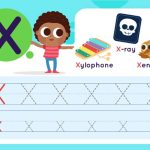
Children take these separate sounds and stick them together to make three-letter words like cat, tin, and sun. They also learn irregular sight words that break ordinary spelling rules, like the, was, and you. This ground-level practice builds phonemic awareness.
Number Sense and Tangible Counting
Kindergarten maths focuses on one-to-one correspondence, which means helping a child see that a spoken number corresponds to an exact number of real objects.
Spatial Reasoning and Shape Recognition
Early geometry starts with things your child can hold, drop, stack, and roll. Teachers guide children from flat paper drawings to solid, three-dimensional objects that resemble items found around your kitchen at home.
Pencil Grip and Hand Muscle Strength
A sensible kindergarten classroom spends months building finger and palm strength through messy, playful tasks. As those small hand muscles firm up, your child writes their name cleanly, cuts paper along curved lines with round-tipped scissors, and draws without their wrist aching.
Gross Motor Balance and Body Control
A child who cannot control their arms and legs will always find it hard to sit quietly on a rug and focus on a storybook. Physical games in early schooling are not just about burning off lunch energy; they train balance, stamina, and basic muscle control.
Out on the grass or inside an activity hall, children scramble over low benches, balance on wooden planks, jump on one foot, and catch fat rubber balls. These group games build bilateral coordination, teaching the left and right sides of the body to work in harmony.
Social Interaction and Sharing Dynamics
Your child learns to wait in line for the garden slide, ask nicely for the blue wax crayon instead of snatching it, and sort out playground tiffs using words instead of fists. Teachers guide children through partner tasks in which building a toy rail track requires two sets of hands working together. These daily negotiations teach real patience and empathy.
Personal Independence and Daily Self-Care
Kindergarten takes children who depend on adults for everything and turns them into self-reliant little people who look after their own shoes, tiffin boxes, and school bags. These basic life habits matter just as much as learning the alphabet.
Expressive Language and Storytelling Structure
Building a rich vocabulary requires far more than nodding yes or shaking your head no when grown-ups ask questions. Kindergarten classes make room for spoken stories, encouraging children to share weekend events, describe their pets at home, and air their views.
Scientific Observation and Curiosity About Nature
Children are born investigators who poke, sniff, and inspect everything they spot on the ground. Early childhood science takes that natural urge and turns it into careful, safe observation of the outdoor world.
Emotional Self-Regulation and Quiet Pauses
A broken pencil, an unexpected change in games, or missing a turn on the swing can set off an almighty tantrum in a five-year-old. One of the greatest gifts an early school gives a child is showing them how to regain composure when their feelings boil over.
Read More – Most Important Things Kids Learn in Preschool
How EuroKids Creates Nurturing Early Learning Spaces
EuroKids designs its preschool spaces around this exact child-centred philosophy. Rather than drilling children with dry tests, experienced educators use themed activity hubs, tactile materials, and lively puppet stories to make big ideas simple and fun. By offering a safe space where children can ask questions and make mistakes without fear, EuroKids gives young learners the social ease, practical grit, and sunny confidence they need to walk happily into primary school.
Read More – Exploring Preschool and Kindergarten Activities for Holistic Development
Conclusion
Taking time to see what happens in an early classroom brings home the true importance of education: early schooling is never about cramming facts into small heads for report cards, but about giving a young child the confidence to step into the world and get along with others. When you back your child’s early schooling with patience, unhurried chats, and calm trust, you give them the confidence to face new situations without fear. Long after childhood notebooks are recycled, the kindness, curiosity, and self-belief your child learns in these early classrooms will stay with them for life.
To discover practical parenting tips and early schooling guides, browse the EuroKids Blog, and drop by your neighbourhood centre to find out about EuroKids Preschool Admission for your child today.
Frequently Asked Questions
At what age do children start kindergarten in India?
Most schools admit children into lower kindergarten between three and four years of age, and into upper kindergarten between four and five years, matching national curriculum guidelines.
How can parents reinforce kindergarten lessons at home without worksheets?
You can practice counting spoons while laying out dinner plates, read storybooks together before bed, and let your child dress and pack their own bag every morning.
Does my child need to read full sentences before primary school?
No, kindergarten concentrates on letter sounds, sight words, and short word blending, which gives children the right tools to read full books comfortably once they start primary school.