Yesterday evening, sometime between snack time and me pretending I would fold the clothes “in five minutes”, my daughter suddenly started singing from the sofa.
“If wishes were horses…”
Then silence.
“Amma, I forgot the next line.”
Her school bag was lying open on the floor, one shoe was somehow still near the dining table from the morning rush, and there were pencil shavings near her notebook because she had sharpened the same pencil at least four times for no reason.
I first thought I would quickly search the rhyme, tell her the lines, and move on with dinner.
Simple only, I thought.
Of course, it became a whole conversation after that.
I pulled up the rhyme and read it out slowly to her:
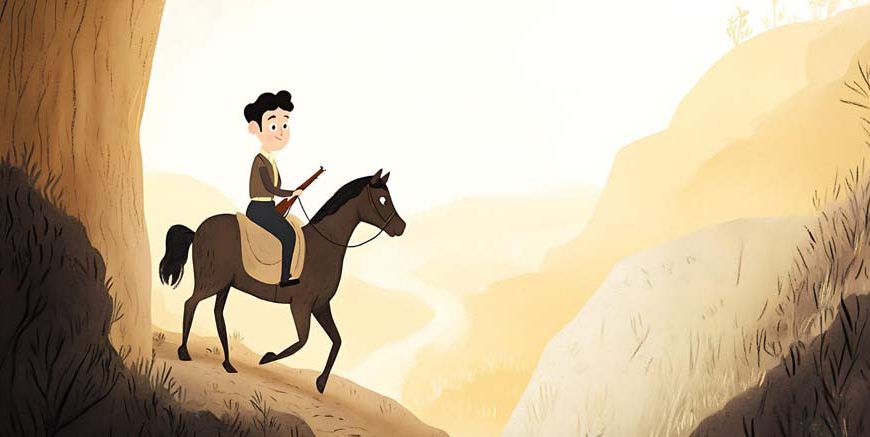
If wishes were horses, beggars would ride.
If turnips were watches, I’d wear one by my side.
And if “ifs” and “ands” were pots and pans,
There’d be no work for tinkers’ hands.
She stared at me for two seconds and immediately started laughing.
“Amma, what is this rhyme even saying?”
Honestly, fair question.
When she got stuck on the horse part
The funny thing is, children do not first hear the meaning in old nursery rhymes.
They hear the picture.
So while I was trying to explain the if wishes were horses meaning, she was already imagining pink horses flying around carrying people through the sky.
Then she confidently announced:
“I think if wishes were horses beggars would fly.”
Ride became fly somewhere in between. Naturally.
I almost corrected her immediately, but then I stopped. Because honestly, she was still trying to understand the rhyme in her own way.
That felt more important at that moment.
The pressure cooker started whistling from the kitchen just then, and halfway through my explanation she got distracted because the TV volume suddenly became too loud in the other room.
Normal evening only.
Read More – Classic Nursery Rhymes for Kids
I first tried explaining the exact meaning
So I did what most parents probably do first.
I tried explaining it properly.
“It means wishing alone is not enough.”
Blank face.
Then I tried again.
“It means if wishes could magically solve problems, everybody would get what they wanted.”
Even bigger blank face.
Honestly, I think I sounded like my old English teacher at that point.
Children do not always connect with direct explanations first. Especially with rhymes like if wishes were horses beggars would ride. The words themselves are strange and funny to them.
So instead of continuing the explanation, I slowed down a little.
That helped much more.
The part that was actually confusing her
Later I realised she was not confused about wishes.
She was confused about invisible ideas.
For children, horses are real. Flying is real. Riding is real.
But sayings and proverbs are abstract.
So when she heard if wishes were horses, she was trying to understand whether the rhyme meant actual magical horses.
That is when I stopped treating it like comprehension homework.
I asked her instead:
“If you only wish your homework finishes, will it finish?”
Immediate smile.
“No.”
“If you wish your room cleans itself?”
“No.”
“If Appa wishes office meetings disappear?”
That made her laugh properly.
Slowly, the meaning started making sense to her without me giving one long lecture.
Read More – Moral Stories For Kids
Once we stopped treating it like a lesson
The nicest part came after that.
She suddenly got up and started pretending to ride an invisible horse around the room.
“I wish my toys put themselves back!”
“Did they?”
“No.”
“So what now?”
“I clean.”
That tiny roleplay explained more than my serious explanation did.
Children remember movement. They remember funny moments. They remember what they physically do.
At one point she even stopped mid-horse ride to drink water and then came back and continued exactly where she had left off. I don’t know why that made me laugh so much.
The other lines became funny too
After the horse line, she wanted to know about the turnips.
“Why will anyone wear a turnip?”
Again, fair question.
So I told her, “Maybe the rhyme is just saying that if every funny thing we imagined became real, the world would become very strange.”
She liked that.
Then came the pots and pans line.
“And what is tinkers?”
I kept the explanation very short because I could already see her attention moving elsewhere.
So I simply said, “People who repaired pots long ago.”
That was enough for her.
The rhyme became personal after that
During dinner, while carefully avoiding the vegetables she did not want, she suddenly said:
“I wish exams disappear forever.”
Fair enough.
Then she asked me what I wish for.
I told her I sometimes wish laundry folds itself automatically.
Without missing a beat, she said, “See Amma? Even you are doing if dreams were horses.”
That line stayed with me.
Because somewhere during this random evening conversation, the rhyme had stopped sounding like an old English verse and started feeling real to her.
Not fully understood maybe.
But connected.
Read More – Nursery Rhymes List for Kids
That One Line She Remembered Later
Much later at night, I was finally clearing the table properly.
Her notebook was still open. One crayon without a cap had dried slightly. The snack plate was somehow still there because I had forgotten about it again.
And from the bedroom I suddenly heard her singing softly:
If wishes were horses, beggars would ride…
Then after a pause:
“…but we still have to try.”
Not exact.
Not polished.
But close enough.
I think that is usually how these small learning moments happen with children. A little messy. A little unfinished. They take one small piece from the conversation and quietly make it their own later.
The next morning, she had already forgotten half the lyrics and was singing something else while wearing only one sock. But when I asked her what the rhyme meant, she said, “Wishing is okay, but doing is also needed.”
That was enough for me.
Maybe that is why some early learning spaces like EuroKids Preschool spend so much time helping children connect ideas to familiar everyday moments before expecting them to fully explain or memorise them. Parents exploring Eurokids Preschool Admission often look for this kind of nurturing environment where understanding develops naturally through stories, conversations, and everyday experiences.