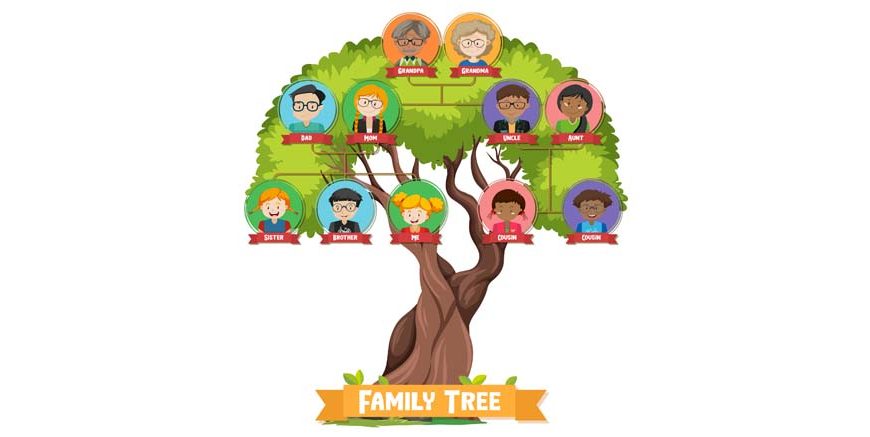
Understanding family relationships is one of the first steps for children to learn about society, culture, and respect. In India, families are often joint or extended, and knowing the relation names helps kids connect with their relatives and appreciate family bonding. This article explains family relationships for kids, with fun charts, examples, and explanations in English and Hindi context.
What is a Family?
Family definition for kids: A family is a group of people related by blood, marriage, or adoption who live together or maintain close ties. Families provide love, support, care, and guidance to their members.
Family is the first school of life. Kids learn values, morals, and social skills within a family.
Family love is the bond of affection, care, and support among family members.
Types of Families
Understanding types of families helps children identify their own family structure.
1. Nuclear Family
- Includes father, mother, and children.
- Common in urban Indian households.
- Example: Your parents and siblings are living in one home.
2. Joint Family
- Includes grandparents, parents, children, uncles, aunts, and cousins.
- Common in rural areas of India and in traditional homes.
- Example: Your father, his siblings, their children, and their grandparents are living together.
3. Extended Family
- Includes relatives outside the immediate family, like cousins, in-laws, and nephews.
- Focuses on support and bonding across generations.
Read More – Why is Family Important in Child Development?
Relation Names in English & Hindi
Children often ask, “What is my cousin’s father called?” or “Mama relation in English?” Here’s a fun family relationship chart for easy understanding:
Parents & Grandparents
|
Relation |
English Name |
Hindi Name |
|
Father |
Father |
Pita |
|
Mother |
Mother |
Mata or Ma |
|
Father’s Father |
Grandfather |
Dada |
|
Father’s Mother |
Grandmother |
Dadi |
|
Mother’s Father |
Maternal Grandfather |
Nana |
|
Mother’s Mother |
Maternal Grandmother |
Nani |
Siblings & Cousins
|
Relation |
English Name |
Hindi Name |
|
Brother |
Brother |
Bhaiya |
|
Sister |
Sister |
Behen/Didi |
|
Brother’s Son |
Nephew |
Bhatija |
|
Brother’s Daughter |
Niece |
Bhatiji |
|
Sister’s Son |
Nephew |
Bhanja |
|
Sister’s Daughter |
Niece |
Bhanji |
Uncles & Aunts
|
Relation |
English Name |
Hindi Name |
|
Father’s Brother |
Uncle |
Tauji / Chacha |
|
Father’s Brother’s Wife |
Aunt |
Taiji / Chachi |
|
Mother’s Brother |
Uncle |
Mama |
|
Mother’s Brother’s Wife |
Aunt |
Mami |
|
Father’s Sister |
Aunt |
Bua |
|
Father’s Sister’s Husband |
Uncle |
Phupha |
|
Mother’s Sister |
Aunt |
Mausi |
|
Mother’s Sister’s Husband |
Uncle |
Mausa |
In-Laws & Spouse Relations
|
Relation |
English Name |
Hindi Name |
|
Husband |
Husband |
Pati |
|
Wife |
Wife |
Patni |
|
Brother-in-law (husband’s brother) |
Brother-in-law |
Jeth / Devar |
|
Sister-in-law (husband’s sister) |
Sister-in-law |
Nanad |
|
Sister-in-law (wife’s sister) |
Sister-in-law |
Saali |
|
Brother’s Wife |
Sister-in-law |
Bhabhi |
|
Wife’s Brother |
Brother-in-law |
Sala |
Fun Fact: In Telugu culture, terms like “Mavayya relation in English” are often simplified as maternal uncle.
Read More – Names of Family Members in English for Kids
Family Relationship Charts
A family relationship chart helps kids visualise how everyone is related. These charts can include:
- Tree of Family Relationships: Shows generations from grandparents to grandchildren.
- Sibling Charts: Lists brothers, sisters, and cousins.
- In-Law Relationships: Helps understand spouses, their siblings, and extended family.
Example:
Grandparents
|
Father — Mother
|
Children
With this, kids can also answer questions like:
- What is brother’s daughter called? → Niece
- My brother’s son is called what? → Nephew
- Father’s sister called? → Aunt / Bua
Relationship Words in English
Understanding relationship words in English is essential for learning and communication.
Common Relationship Words List:
- Father, Mother, Son, Daughter
- Brother, Sister, Uncle, Aunt
- Nephew, Niece, Cousin
- Grandfather, Grandmother, Grandson, Granddaughter
- In-laws: Brother-in-law, Sister-in-law, Mother-in-law, Father-in-law
Relationship word meaning: Each word represents a specific connection between two people in the family.
Read More – Tips for Raising Child in a Nuclear Family
Examples of Family Relationships
1. Brother Wife Relationship Name
- If your brother is married, his wife is your sister-in-law.
2. Wife’s Sister Relationship Name
- Your wife’s sister is your sister-in-law.
3. Brother’s Son Relation
- Your brother’s son is your nephew.
4. Sister’s Daughter Relationship
- Your sister’s daughter is your niece.
5. Daughter’s Son in Hindi
- In India, your daughter’s son is called Potaa.
Fun Activities to Learn Family Relationships
- Create a Family Tree: Use photos of all relatives and label relation names in English and Telugu.
- Family Bingo Game: Call out a relationship word and let kids point to the correct person.
- Flashcards: Make flashcards with the relation name on one side and a photo or description on the other.
- Storytelling: Kids tell a story using family relationships, like “My chithappa told me a story about his childhood.”
- Matching Game: Match the English relation names with Telugu names (or other language names).
Why Learning Family Relationships is Important
- Teaches kids about respect and care for elders.
- Helps in understanding social roles and kinship in Indian families.
- Strengthens family love and bonding.
- Useful for school projects, essays, and social studies.
Family and Relationships in India
In India, family relationships are more than just words; they are about responsibility, support, and tradition. Kids are often taught to:
- Respect elders like Nana, Nani, Chithappa, and Mausi
- Celebrate festivals with the whole family, strengthening bonds
- Understand who your relatives are and their roles
Example of Family Love: During festivals like Diwali or Pongal, children learn to share and care through family gatherings.
Describe Family with Examples
Our family consists of:
- Father (Nanna)
- Mother (Amma)
- Brother (Anna)
- Sister (Akka)
- Grandparents (Tata, Ammamma)
- Cousins (Macha, Thammudu Magari)
This example of a family helps kids visualise their relationships and learn the names of relationships. Note: this exercise can be easily done, no matter which part of India you belong to.
Read More – The Impact of Family Traditions on Bonding and Connection
Fun Charts for Kids
Family Relationship Chart in English:
Grandparents
|
Father — Mother
|
Children
| |
Son Daughter
|
Nephew/Niece
Relationship Examples:
- Brother-in-law → Wife’s brother
- Sister-in-law → Brother’s wife
- Uncle → Father’s brother or Mother’s brother
- Aunt → Father’s sister or Mother’s sister
How EuroKids Builds Strong EVS Foundations
When Environmental Studies (EVS) is introduced through observation, storytelling, nature walks, and hands-on exploration, young learners begin to understand their surroundings in a meaningful and lasting way. Instead of memorising facts about plants, animals, or seasons, children learn by experiencing and questioning the world around them. This is why structured early education programs focus on experiential and inquiry-based learning rather than rote memorisation.
At EuroKids, foundational EVS concepts are nurtured through the HEUREKA – Visible Thinking Curriculum. This approach encourages children to explore themes such as “My Family,” “My Community,” “Plants and Animals,” “Seasons and Weather,” and “Good Habits” through interactive discussions, thematic projects, role play, outdoor exploration, and guided observation.
The Visible Thinking framework helps children observe carefully, think deeply, and express their ideas confidently. Through activities like nature-based learning, environmental awareness projects, sensory exploration, and group conversations, children develop curiosity about how things grow, how communities function, and how they can care for the environment.
With a child-centric and play-based methodology refined over 20+ years and implemented across 1600+ preschools, EuroKids focuses on building awareness, responsibility, and curiosity first, allowing knowledge, empathy, and critical thinking skills to develop naturally over time.
Conclusion
Learning about family relationships for kids is a fun and educational journey. By understanding relation names, family charts, and examples, children can:
- Strengthen family love
- Communicate better with relatives
- Appreciate Indian family traditions
Using charts, flashcards, and storytelling, kids can remember relation words in English and Telugu. This not only helps in school but also builds emotional connections with family members.
To explore more learning ideas, simple explanations, and early childhood resources, parents
can visit the EuroKids Blog. Those who wish to understand the preschool journey better or
explore enrolment options can find complete information on the EuroKids Preschool Admission
Page, where learning is designed to be joyful, engaging, and child-friendly.