Imagine walking along the beach on a warm summer holiday. The tide has just gone out, leaving tiny, sunlit rock pools behind. You look into the shallow water, fully expecting to see a small crab or a stray piece of seaweed. Instead, a flat, diamond-shaped shadow suddenly moves. It looks almost like a wet blanket gliding effortlessly over the sand. It is completely silent, highly graceful, and honestly, a little bit weird.
You have just spotted a stingray fish. For decades, people have told spooky stories about these ocean dwellers, mostly because they look so alien and sport that famously sharp tail. But what is the actual truth hiding beneath the salty water? What is a stingray when you strip away all the silly seaside rumours? We are going to put on our imaginary snorkels, dive into the warm shallows, and figure out exactly how these brilliant gliders survive in the wild.
The Boneless Gliders: what is a stingray really made of?
To get a proper grip on what is a stingray, you have to look at their bizarre internal plumbing. Or rather, their total lack of a normal skeleton. They do not have a single hard bone in their entire body. Just like the great white shark, their frame is built completely out of cartilage. If you reach up right now and wiggle the bendy tip of your nose or fold the top of your ear, you are touching the exact same rubbery stuff.
Because they are essentially flat, they spend their days hovering just above the seabed or burying themselves deep under the sand for a midday nap. Since their mouths and gills are stuck underneath on their pale bellies, breathing while buried presents a bit of a problem. To stop themselves from choking on a massive mouthful of mud, they breathe through clever little holes on the top of their heads called spiracles. They basically act like built-in snorkels! They even use their wings to flap sand over their backs, completely camouflaging themselves so that hungry sharks swim right past without noticing them.
Read More – List of Animals That Live On Land And Water
The Truth About the Tail
Now, let’s talk about the tail. It is the one bit everyone worries about when dipping their toes in the sea. But a stingray fish is actually incredibly shy. They are essentially the scaredy-cats of the ocean and genuinely do not want any trouble. The sharp, venomous barb sitting at the base of their tail is just a last-ditch alarm system.
They only ever use it for self-defence. If a massive predator tries to take a bite out of them, or a human accidentally stomps heavily on their back in the shallows, they whip the tail up just to say, “Ouch, please back off!” That is exactly why coastguards always tell kids to do a funny little dance called the ‘stingray shuffle’ when walking into the sea. By dragging and kicking the sand as you walk, you make a massive racket underwater. The rays hear the loud vibrations coming and happily swim away long before your foot ever gets near them.
Exploring the Wild types of stingrays
You might assume they all look like flat, grey dinner plates, but the ocean is a massive, diverse place. Over two hundred different varieties exist across the globe, and they all have their own brilliant quirks. If we look at the different types of stingrays, the family tree is pretty wild.
- The Blue-Spotted Ribbontail: This little guy lives in warm, tropical coral reefs. It is painted a sandy yellow colour but is covered from head to tail in bright, glowing neon blue spots. It looks like a messy painting, but those bright spots tell predators that it is definitely not a safe snack.
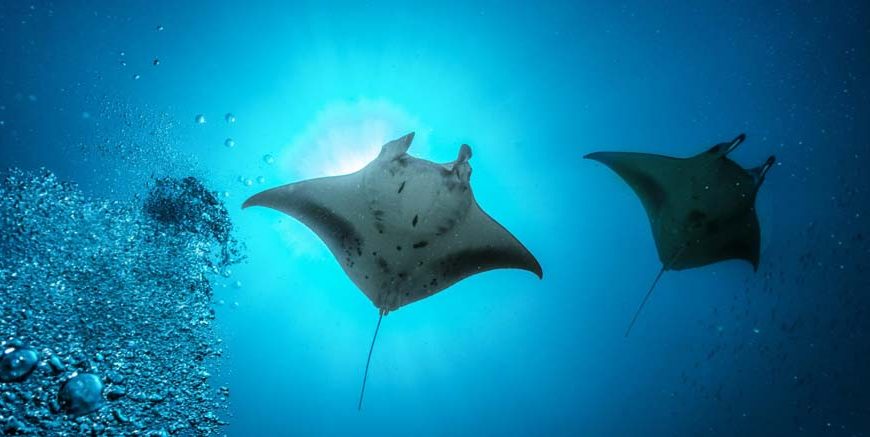
- The Giant Manta Ray: These are the absolute giants of the family. They can grow to be seven metres wide from wing to wing! Despite their terrifying size, they don’t even have a venomous sting. They just cruise around doing underwater somersaults with their mouths open, catching tiny floating plankton.
- The Giant Freshwater Ray: Did you know some of them live in rivers? Hidden deep in the muddy, winding waters of Southeast Asia, these rare giants can weigh as much as a small car and love to hide in the deep river sludge.
- The Southern Stingray: This is the friendly, diamond-shaped one you usually spot on holiday snorkelling trips. They love warm, sandy bays and are super curious, often swimming right up to divers just to have a cheeky look around.
Read More – GK Questions On Animals
Ocean Parties: what is a group of stingrays called?
Sometimes, these creatures fancy a bit of company. While a few prefer to hide out in the mud completely alone, others absolutely love to travel in huge, swirling crowds. If you catch it on film, it looks exactly like a massive flock of birds migrating together for the winter. But what is a group of stingrays called when they gather for a swim?
It is not a flock, and it is definitely not a herd. In one of the absolute best names in science, a gathering of these creatures is officially known as a ‘fever’. Spotting a massive fever of rays gliding through the clear blue water is nothing short of magical. Travelling together in a fever keeps them incredibly safe. After all, a hungry shark is far less likely to attack a giant, moving wall of a hundred whipping tails! Plus, flapping their wings together as a massive team stirs up the ocean sand, easily uncovering tasty hidden crabs and sea snails for the whole group to crunch on for dinner.
Read More – Facts & Information About Sea Animals for Kids
Conclusion
It is totally mind-boggling when you stop to think about it. The ocean is absolutely full of these quiet, boneless gliders just going about their daily business, crunching on crabs and trying their absolute hardest to stay out of trouble. When we sit down with our kids and actually learn how the creatures we share the planet with operate, the fear simply melts away. Instead of being terrified of what hides in the ocean, kids start wanting to protect it. Understanding the weird, wonderful ways animals adapt to their extreme environments is a massive part of growing up.
It teaches deep empathy, sparks brilliant questions, and turns a boring weekend afternoon into a full-blown biology adventure. That hands-on, question-everything approach is exactly what the Heureka curriculum is all about. We want children asking how things breathe under the mud and why animals travel in fevers! To read more brilliant guides and kickstart your child’s learning journey, pop over to the EuroKids Blog and secure their spot today via EuroKids Preschool Admission.
FAQs
Do they have sharp teeth for biting?
Not exactly! Instead of pointy teeth, they have hard, flat, bony plates in their mouths. These plates act like incredibly strong nutcrackers, letting them easily crush the hard shells of crabs, clams, and sea snails.
How do they find their food in the murky water?
They have highly special, jelly-filled pores around their mouths called the ampullae of Lorenzini. These clever sensors let them physically feel the tiny electrical heartbeat of a hidden crab buried deep in the mud.
How long do they usually live?
It depends heavily on the specific species and their environment, but most can easily live anywhere between 15 to 25 years in the wild, as long as they dodge the bigger sharks.