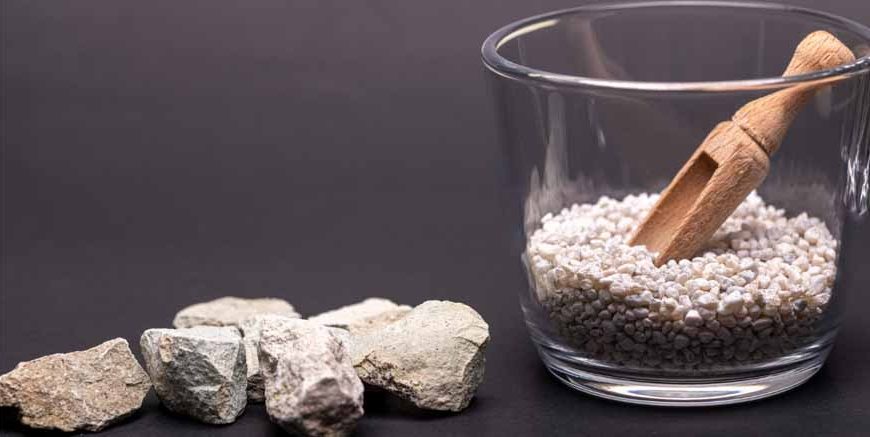
Kids love picking up shiny rocks, collecting smooth pebbles from the beach, and digging deep holes in the muddy garden. But what if the very things found buried in the deep earth are also hiding quietly inside their morning breakfast bowl? It sounds a little bit like a fairy tale, but it is pure, brilliant science.
The heavy rocks beneath our feet and the healthy meals resting on our dining tables share a very powerful, secret connection. Let us explore the incredible hidden world of these tiny natural builders, discover how they keep our planet strong, and learn how they give our bodies the vital energy we need to thrive.
What is the definition of minerals?
To start off on the right foot, let us answer a very important question: what is the definition of minerals? In the natural, scientific world, these are solid, non-living substances that are formed naturally deep underground over thousands, and sometimes millions, of years. They are definitely not made by humans in a factory, and they are not grown from seeds like plants.
Instead, they are the fundamental building blocks of rocks, mountains, and soil. Every glittering diamond on a ring, every single grain of sand on a Cornish beach, and even the tiny pinches of salt you sprinkle on your chips belong to this amazing, natural family. They all have their own unique shapes, brilliant colours, and specific textures.
Read More – Different Types of Rocks and Their Uses
The Kitchen Connection: minerals definition food
Now, a curious child might understandably wonder how underground rocks end up in their tummy. This brings us to the minerals definition food. In the world of human nutrition, these are tiny, essential nutrients that our bodies absolutely desperately need to grow tall, develop properly, and stay remarkably healthy.
Plants act like very clever little sponges in the garden. They grow their strong roots deep into the dark soil and quietly absorb these elements from the dirt and water. When we eventually eat those crunchy orange carrots, leafy green cabbages, or even the meat from animals that graze happily on the grass, we take those powerful earth elements directly into our own bodies.
The Essential kinds of minerals in food
Our bodies are like complex, busy machines, and they need quite a few different types of fuel to function properly. When we look at the various kinds of minerals in food, we can generally split them into two main, easy-to-understand groups: macrominerals and trace minerals.
Macrominerals are the specific ones your body needs in much larger amounts every single day. This group includes very well-known names like calcium, magnesium, and potassium. Trace minerals, on the other hand, are only needed in tiny, microscopic drops, but they are still just as important to keep you from feeling poorly. These include powerful elements like iron, zinc, and iodine.
Superpowers Inside Us: minerals in food and their functions
It is absolutely fascinating to learn about minerals in food and their functions, because they act exactly like tiny superheroes inside your child’s body. Let us take calcium as a prime example. This specific nutrient is incredibly famous for building exceptionally strong bones and tough teeth. When a child drinks a tall glass of cold milk or eats a thick slice of cheddar cheese, they are literally reinforcing their skeleton!
Then we have iron, which acts like a tiny, speedy delivery van. It grabs onto the oxygen in our lungs and carries it swiftly through the blood to every single corner of the body, giving children the boundless energy they need to run around the school playground without getting tired. Zinc acts as a fierce shield, helping the immune system fight off pesky winter colds and coughs.
Read More – Science Quiz Questions and Answers for Kids
Spotting Them Every Day: what are the examples of minerals?
To make this massive concept super easy for children to grasp, we can look closely at our daily routines and ask, what are the examples of minerals we can easily see around us?
Some of the most common, everyday examples of minerals include the dark graphite sitting right inside your wooden school pencil. Yes, the grey lead that helps you draw pictures and write your name is actually a mineral! Another brilliant example is the clear quartz used to keep the time ticking accurately inside your wristwatch or wall clock. We also have fluoride, which is added to your minty toothpaste to keep your smile bright, and shiny copper, which is used to make the heavy coins clinking around in your piggy bank. They truly are hiding everywhere!
Summary
From the sturdy, growing bones holding us upright to the hard, ancient rocks resting quietly at the bottom of the deep ocean, these tiny natural wonders connect us directly to the beautiful planet we live on. It is quite a profound and beautiful thought to realise that a child eating a simple bowl of green spinach is essentially borrowing strength from the Earth itself. By understanding exactly how these hidden elements work, we can make much smarter, healthier choices at the dinner table and teach our children to properly appreciate the amazing natural world around them. To discover more engaging ways to fuel your child’s boundless curiosity and give them a brilliant foundation for life, take a few minutes to explore the EuroKids Blog and find out all the necessary details regarding EuroKids Preschool Admission today.
FAQs
Why do we need to eat these nutrients every day?
Our bodies cannot make them on their own, so we must constantly replenish our supply through a healthy, colourful diet to keep our bones strong and our organs working properly.
H3- What happens if a child does not get enough iron?
If a child lacks iron, their blood cannot carry oxygen efficiently, which often leaves them feeling very tired, grumpy, and lacking the energy to play.
Are all rocks safe to eat?
Absolutely not! While our food contains microscopic, safe amounts absorbed naturally by plants, actual rocks and dirt from the garden are strictly for playing with, not for eating.