Close your eyes and think about your absolute favorite slice of pizza. What exactly gives that rich tomato sauce its mouth-watering smell? Or think about the cooling, tingly feeling on your tongue right after you brush your teeth in the morning. The secret ingredient behind both of these everyday experiences is something small, green, and incredibly powerful. We are talking about the magic hiding right in your kitchen garden!
Kids often see small green leaves sprinkled on top of their dinner plates, but there is an entire world of science, history, and nature packed into those tiny plants. Let’s roll up our sleeves, dig our hands into the dirt, and uncover some amazing secrets about these everyday green wonders.
What Are Herbs?
If you take a long walk around a neighborhood park, you will spot massive oak trees with thick, heavy wooden trunks. You will see bushy shrubs with hard, scratchy branches. So, amidst all that tough wood, exactly what are herbs?
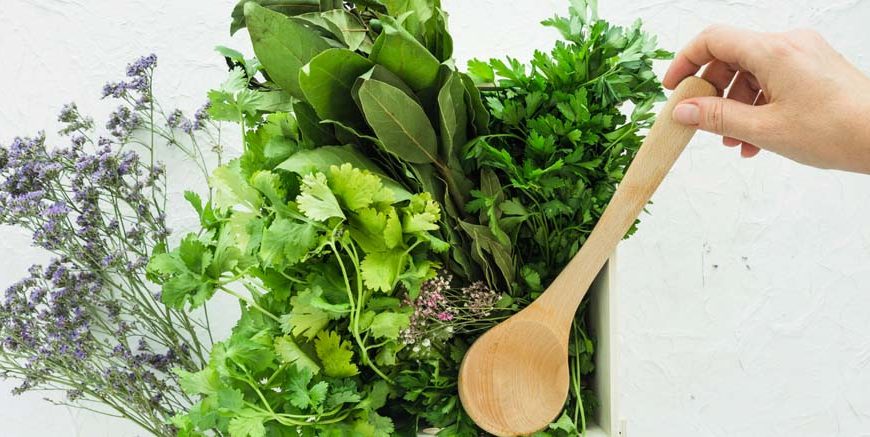
In the simplest terms possible, they are plants with very soft, delicate, and green stems. They do not grow hard, thick wooden bark like a tall tree does. You can easily pinch and bend their stems right between your fingers. Human beings have cherished them for thousands of years, primarily because their soft leaves, delicate flowers, and even their stems carry incredibly strong smells and delicious flavors. They act like nature’s very own built-in flavor packets, completely transforming the way our food tastes.
Read More – Types of Plants for Kids
Understanding the Greenery: What Are Herbs Plants?
You might be wondering, what are herbs plants actually doing out in the wild when they aren’t just sitting neatly in a tiny clay pot on your kitchen windowsill?
In the massive plant kingdom, these little guys play by their own set of rules. Because their stems are so soft and lack strong wooden support, they usually stay pretty short. You will never, ever see a mint plant growing as tall as a two-story house!
Also, many of them have a very quick life cycle. They sprout from a tiny seed, grow their highly fragrant leaves, bloom pretty little flowers, drop new seeds into the soil, and then fade away completely when the freezing winter snow arrives. However, some of the tougher ones are pretty smart. They simply go to sleep underground during the cold months and pop right back up through the dirt the second the warm spring sun returns.
A Few Tasty Examples
You probably eat these leafy plants all the time without even realizing it. If you want a perfect example of herbs that you use in your daily life, just open your refrigerator or look closely at your next dinner plate.
- Mint: This is the absolute superhero of freshness. It is the exact plant that makes your toothpaste taste cold and bubbly, and it makes summer lemonades super refreshing.
- Basil: Remember that delicious pizza we talked about earlier? Basil is the sweet, slightly peppery green leaf that makes Italian food smell absolutely irresistible.
- Coriander: If you have ever watched your parents make a warm, delicious pot of curry, they probably tossed a big handful of these bright green, flat leaves right on top just before serving it to the family.
- Rosemary: This one is super fun to look at because its leaves look exactly like tiny, soft pine tree needles. It has a very strong, woodsy smell that cooks absolutely love to use when roasting fresh vegetables in the oven.
More Information About Herbs
These plants are not just grown to make your pasta sauce taste yummy. There is so much more fascinating information about herbs waiting to be discovered.
Before humans built giant modern pharmacies filled with pills and syrups, ancient doctors and wise grandmothers relied almost entirely on these green leaves to heal sick people. For example, did you know that snapping a fresh aloe vera leaf in half and rubbing the gooey gel on a painful sunburn makes it stop stinging almost instantly? Or that drinking a warm cup of chamomile tea can help a restless, wide-awake kid finally calm down and fall asleep at night?
Beyond acting as natural medicine, they are also brilliant little bodyguards. Many bugs completely hate the strong, pungent smell of certain plants. Planting lavender or rosemary near your front door acts like an invisible, sweet-smelling forcefield. It naturally keeps annoying mosquitoes and flies away from your house during the hot summer months, without using any sticky bug spray!
Read More – Exploring Herbal Teas for Kids
Conclusion
When you actually stop to look at them, these soft, quiet little plants are doing a massive amount of heavy lifting for us. They transform a boring, plain plate of noodles into a culinary masterpiece. They soothe our upset stomachs and calm our scraped knees. They even act as tiny green shields to protect us from itchy bug bites.
It is pretty incredible to think that such immense power, ancient history, and raw biology can be folded up tightly into a single, fragile green leaf that is smaller than the palm of your own hand. The very next time you find a tiny green leaf floating in your bowl of soup, don’t just push it to the side of the bowl with your spoon. Smell it. Taste it. You are experiencing a tiny piece of natural magic that humans have treasured for centuries.
To read more fun, engaging, and educational articles, check out the EuroKids Blog, and visit our website for details on EuroKids Preschool Admission.
FAQs
What is the main difference between an herb and a spice?
Herbs almost always come from the fresh, leafy green parts of a plant. Spices, on the other hand, come from the dried roots, rough bark, seeds, or crushed flowers of plants.
Can you easily grow them inside the house?
Absolutely! They make the perfect indoor house plants. As long as you place them in a bright, sunny window and give them a little bit of water, they will grow happily in a small pot year-round.
Are all green leaves in nature safe to eat?
No! While the ones growing in your kitchen garden are perfectly safe and tasty, many wild plants out in nature are actually highly poisonous. You should never, ever eat a leaf you find outside unless a trusted adult tells you it is safe.
Why do these specific plants smell so incredibly strong?
They have special, microscopic pockets of essential oils trapped deep inside their leaves. When you rub, chop, or crush the leaf, those tiny pockets burst open and release that amazing smell into the air!