You notice it every year. Summers feel longer. Winters feel shorter. Rains arrive late or fall too hard. These changes do not feel random anymore, and as a parent, educator, or decision-maker, you already know that children will grow up in a world shaped by these shifts. This makes early awareness not optional but essential. When young learners understand environmental responsibility early, they grow into conscious individuals who respect nature rather than misuse it.
This is where understanding global warming becomes important, even at the preschool and primary level. Children do not need fear-based lessons. They need clarity, context, and simple explanations that help them observe the world around them. This blog helps you guide young learners through essays, paragraphs, and short writing formats while keeping learning meaningful, age-appropriate, and engaging. If you ever wondered what is global warming or how to explain it simply to Classes 1, 2, and 3, you are in the right place.
What Is Global Warming? A Simple Explanation for Children
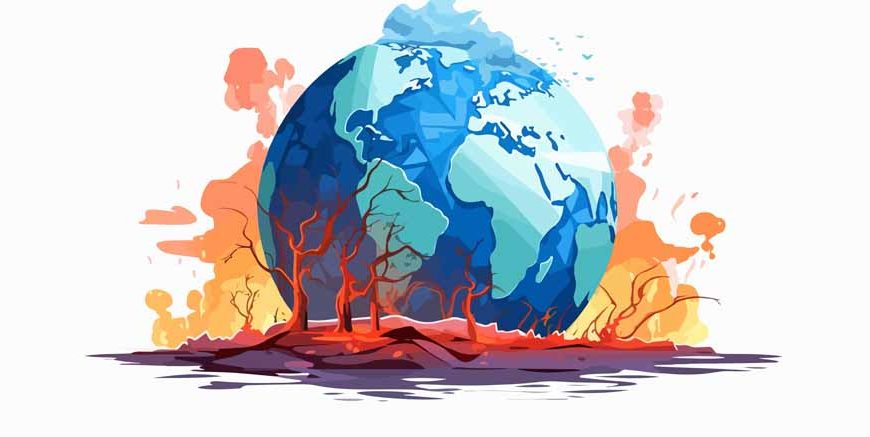
When you ask a child what do you mean by global warming, the answer must feel easy and relatable. Global warming means the Earth is becoming hotter than before. This happens because smoke from vehicles, factories, and burning waste traps heat around the planet. Over time, this extra heat changes weather, melts ice, and affects plants, animals, and people.
A simple climate change definition helps children understand the bigger picture. Climate change means long-term changes in weather patterns caused mainly by global warming. When children connect heat, weather, and daily life, learning feels real rather than theoretical.
Read More – Understanding Global Warming for Kids & Parents
Global Warming Paragraph in English for Young Learners
Before children write long answers, they must learn how to express one clear idea. A global warming paragraph should include simple sentences, one main thought, and familiar words. When you guide a child to write a paragraph on global warming, encourage them to talk about heat, nature, and care for the Earth.
Sample Global Warming Paragraph in English
Global warming means the Earth is getting hotter every year. This happens because people cut trees and produce smoke from vehicles and factories. Global warming causes hot summers, melting ice, and changes in rainfall. Animals and plants suffer because of these changes. We should save trees and keep our planet clean.
5 Lines on Global Warming for Class 1
Short writing helps young children organise thoughts confidently. These 5 lines on global warming suit Class 1 students and focus on observation and care.
- Global warming makes the Earth hotter.
- Smoke from cars and factories causes global warming.
- Hot weather can harm animals and plants.
- Trees help keep the Earth cool.
- We should protect our planet.
Read More – Understanding Environmental Issues: Causes & Solutions
10 Lines on Global Warming for Class 2
As children grow, they learn to connect causes and effects. These 10 lines on global warming help Class 2 students express ideas clearly.
- Global warming means an increase in Earth’s temperature.
- People cause global warming by cutting trees and burning fuel.
- Smoke traps heat around the Earth.
- Summers are becoming hotter because of global warming.
- Ice at the poles is melting.
- Animals lose their homes due to climate change.
- Plants need a healthy environment to grow.
- Saving electricity can reduce global warming.
- Planting trees helps cool the Earth.
- We must care for nature every day.
Short Essay on Global Warming for Class 2
A short essay allows children to expand ideas while keeping language simple. This global warming essay encourages awareness without overwhelming young learners.
Short Essay on global warming for kids
Global warming is a serious problem that affects our planet. The Earth becomes hotter because people cut trees and produce smoke from factories and vehicles. This heat changes the weather and causes very hot summers and less rain in some places. Animals and plants suffer because they cannot adjust quickly to these changes. We can help by saving trees, using less electricity, and keeping our surroundings clean. When we protect nature, we protect our future.
Read More – Greenhouse Effect: Definition, Causes, and Effects
Essay on Global Warming in 250 Words for Class 3
As children reach Class 3, they can express ideas in detail. This essay on global warming in 250 words balances facts with clarity and age-appropriate language.
Long Essay
Global warming refers to the rise in the Earth’s temperature over time. This problem occurs mainly because of human activities such as burning fuel, cutting trees, and producing smoke from factories and vehicles. These activities release harmful gases into the air, which trap heat around the planet.
Due to global warming, the weather has changed in many parts of the world. Summers have become hotter, glaciers are melting, and rainfall patterns have become unpredictable. Animals struggle to survive as their natural habitats disappear. Plants also suffer because extreme heat and lack of water affect their growth.
Global warming does not only affect nature. It also affects human life. Farmers face problems because crops fail, and people experience water shortages and health issues due to extreme heat. This shows why everyone must take responsibility.
We can reduce global warming by planting more trees, saving electricity, and using public transport whenever possible. Small actions like switching off lights and avoiding plastic waste make a big difference. When children learn these habits early, they grow into responsible adults.
Protecting the Earth is not a choice but a duty. By understanding global warming and taking simple steps, we can make our planet safer for future generations.
Read More – Planting Trees: Helping Kids Understand the Importance of trees
Effects of Global Warming Children Notice Around Them
The effects of global warming appear in daily life. Children notice hotter days, sudden rains, and water shortages. Ice melts in colder regions, causing sea levels to rise. Animals lose homes, and some plants stop growing properly. These visible changes help children understand why caring for nature matters.
Impact of Global Warming on Life and the Environment
The long-term impact of global warming goes beyond weather. Food production suffers, clean water becomes scarce, and natural disasters increase. When children understand impact rather than fear, they learn responsibility and empathy for the planet.
Climate Change Speech Ideas for School Activities
A climate change speech helps children build confidence and awareness. When children speak about saving trees or reducing waste, they strengthen communication skills and develop leadership qualities. Public speaking at an early age creates thoughtful, confident learners.
Here is a rewritten and expanded version that clearly lists and explains ways to prevent global warming, written in a simple, child-friendly, human tone, and aligned with the EuroKids blog style. No bullets overload, clear logic, and easy language.
How to Prevent Global Warming Through Simple Actions
When children understand how to prevent global warming, they realise that even small actions can protect the Earth. One important way to prevent global warming is by saving electricity. Switching off lights, fans, and televisions when they are not in use reduces energy waste. Less electricity use means fewer harmful gases released into the air.
Planting and protecting trees is another powerful step. Trees absorb carbon dioxide and release oxygen, which helps keep the Earth cool. Children can learn to care for plants at home and in school, building respect for nature.
Saving water also plays a key role. When water is wasted, more energy is needed to clean and pump it. Simple actions such as turning off taps properly and using water carefully help conserve resources.
Reducing plastic use helps protect the environment. Plastic takes many years to break down and pollutes land and water. Using cloth bags, reusable bottles, and avoiding litter keeps surroundings clean and safe for animals.
Walking short distances or using shared transport reduces smoke from vehicles. Less smoke means cleaner air and lower heat trapped around the Earth.
When you teach what measures should be taken to reduce global warming, children learn responsibility, care, and awareness. These small actions, practised daily, help create a healthier planet and a safer future for everyone.
Read More – Effective Essay Writing Tips for Kids
Early Learning and Environmental Awareness at EuroKids
Early education plays a powerful role in shaping responsible citizens. EuroKids follows the Heureka Curriculum, which encourages curiosity, real-world understanding, and age-appropriate awareness of environmental issues through structured and engaging learning experiences.
Conclusion
When children understand global warming early, they grow up with respect for nature and responsibility for the future. Learning essays, speeches, and paragraphs on environmental topics builds awareness, confidence, and communication skills. This balanced approach prepares children not just for school but for life.
If you are exploring quality early education, EuroKids Admission offers a strong foundation that blends academic learning with values and awareness. The EuroKids Blog section continues to support parents and educators with trusted insights on early childhood learning and development.
Frequently Asked Questions
What is global warming in simple words for children?
Global warming means the Earth is getting hotter because of smoke and pollution.
Why should young children learn about global warming?
Early awareness helps children develop responsible habits and respect nature.
How is global warming different from climate change?
Global warming causes climate change, which means long-term changes in weather.
What can children do to reduce global warming?
Children can save electricity, plant trees, and avoid wasting water.
How does EuroKids teach environmental awareness?
EuroKids integrates real-world understanding through age-appropriate learning and activities.