My nephew rushed in from school yesterday, knees caked in red dirt, shouting about Kabaddi like he’d just conquered the world. His eyes sparkled as he described dodging grabs and tagging his best friend. Watching him, I saw my own childhood flash by — those endless afternoons in the colony ground, breath held tight, feet flying. Kabaddi does that. Pulls you right back.
If your little one needs help with a school essay on Kabaddi for Class 1, 2 or 3, this is the spot. I’ve put together simple 10 lines, a short paragraph, and a longer one. All in straightforward English kids can use word-for-word. Parents love these because they fit right into homework without extra explaining.
Kabaddi Basics
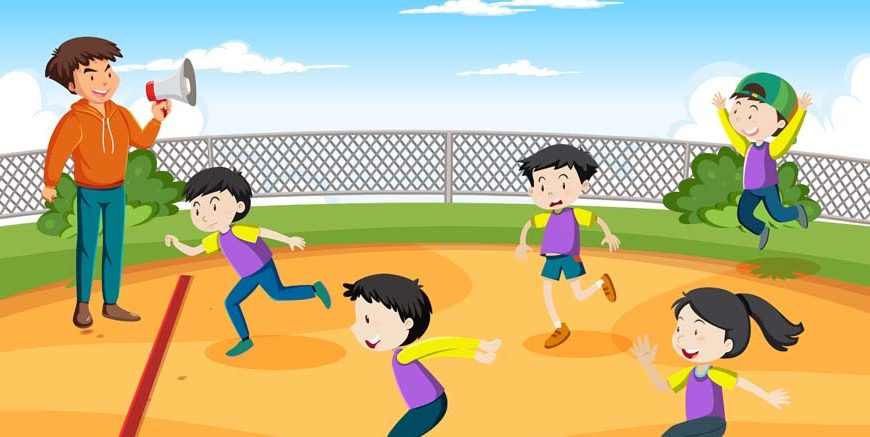
Kabaddi ranks high among outdoor games name lists in every Indian school. It’s a rough-and-tumble contact sport with zero equipment. Mark a rectangle on any ground, split it down the middle, and you’re set. Two teams face off, one sends a raider across the line. That player tags whoever they touch, then races back — all without breathing. Chant “kabaddi kabaddi” nonstop to prove it.
The game’s old as the hills. Stories say it started over 4,000 years ago, maybe linked to ancient wrestling or warrior training. Villages played it at festivals. Now Pro Kabaddi League fills TV screens, with stars raiding for millions. Kabaddi in English? Same name everywhere. No translation needed.
How Many Players in Kabaddi – The Big Question
Kids always ask this. Parents too, when helping with homework. How many players in Kabaddi? Seven on the court per team. That’s 14 total during play. Each side keeps up to five extras on the bench for swaps. School games might bend the rule to six-a-side, but official matches stick to seven.
Why seven? Keeps the action tight. Raider against six grabbers creates perfect chaos. One slip, and you’re down. Next raid, roles flip. How many players in Kabaddi comes up in quizzes because it’s that basic fact everyone should know. Write it bold: seven per side.
Read More – Best Sports Activities and Games for Kids
10 Lines on Kabaddi (Perfect for Class 1 & 2)
These lines work great for tiny tots who need something short and sweet.
Kabaddi is a top outdoor game loved across India.
Played on a ground marked into two equal parts.
How many players in Kabaddi? Seven in each team.
Raider crosses over, tries to touch opponents quick.
Must chant “kabaddi kabaddi” in just one breath.
Tag someone and escape? Score for your side.
Defenders tackle hard to stop the raider.
Shows up first on any outdoor games chart.
Kabaddi in English calls it Kabaddi worldwide.
Great for fitness, speed and playing together.
Short Paragraph on Kabaddi (Class 2 & 3)
Kabaddi shines bright on outdoor games chart posters in classrooms. Among 20 outdoor games kids chase in parks, it stands out — no ball, no stick, pure body power. How many players in Kabaddi? Seven per team guard their half. Raider slips across, tags one or two or three, bolts back chanting nonstop. Caught before the line? Defenders cheer, raid ends. Escape clean? Raider’s team jumps. Kabaddi in English stays simple Kabaddi. Works for schoolyards or village fairs. Even outdoor games for adults at family picnics.
Read More – Essay On Importance Of Sports for Kids
Long Essay on Kabaddi (Class 3 Ready)
Roots That Run Deep
Kabaddi’s story starts way before cricket or football hit India. Tamil Sangam poems from 200 BC talk about a game called Sadugudu — sounds a lot like raiding and tackling without touching bulls directly. Maharashtra shaped modern rules in the 1930s. By independence, it spread nationwide. Asian Games picked it up in 1990. Now India dominates world cups. Kabaddi in English never changed because the word fits perfect — from Tamil “kai pidi” meaning hand catch.
Pro Kabaddi League kicked off in 2014. Turned backyard heroes into TV stars. Seasons run packed houses. Teams like Patna Pirates or Bengaluru Bulls became household names. Kids watch raids, copy moves next day at school.
Step-by-Step How It Works
Court measures 13×10 meters for men, bit smaller for women. Lines mark each half, plus a bonus one midway. Teams of seven start. Coin toss picks who raids first. Raider crouches, dashes over baulk line — that’s the midline. Tags defenders by touch, heads back. Chant proves one breath: “kabaddi kabaddi kabaddi” till safe.
Defenders link arms, lunge, grab legs or waist. Hold raider down till ref calls time. Successful tackle? One out for raiders, defenders score. Raider touches three, returns? Three points their way, three defenders sit out. Half-time swaps sides. Full match 40 minutes. Substitutes enter anytime to keep energy high. How many players in Kabaddi matters here — seven keeps balance just right.
Picture a raid gone wild. Skinny raider fakes left, spins right past two grabs. Tags the third, ducks under fourth arm, leaps the line. Whole team mobs him. That electric buzz? Pure Kabaddi magic.
Kabaddi in the Big Outdoor Games World
Flip through any outdoor games chart, Kabaddi’s always there with kho-kho, gilli danda, lagori. Outdoor games name lists for India run long: cricket tops, but Kabaddi climbs fast. Pick 20 outdoor games for a school event – add Kabaddi midway. Needs open space, groups of kids, done.
Grown-ups love it too. Outdoor games for adults at company outings? Kabaddi fits. No gear, quick teams, big laughs when the boss gets tackled. Wedding receptions play mixed versions. Cities host night leagues under lights. Stays fresh across ages.
Kabaddi in English spreads global now. England, Japan, even Kenya play. But India’s the heart. Villages still host massive turns — 100 players rotating, crowds in thousands.
Read More – Discover National Sports Day
Real Wins for Kids Who Play
Beyond scores, Kabaddi reshapes little bodies and minds. Running builds lungs. Dodging sharpens eyes. Group tackles teach reading friends’ moves. Shy kid turns leader raiding alone. Bullied one finds strength holding the line. Studies show it cuts screen time, fights obesity, boosts grades through better focus.
One example sticks. My cousin’s boy hated PE. Coach put him raiding. First try, he tagged one, ran back. Grin lasted weeks. Confidence spilled to class speeches. That’s the quiet win — sport unlocking kid potential.
Among 20 outdoor games, few match this mix. Outdoor games for adults work same way, but kids gain most. Breath control calms nerves. Quick calls build smarts. Team bonds last lifetimes.
How many players in Kabaddi? Seven. Simple fact, huge game.
Kabaddi’s that rare gem — ancient yet alive, simple yet deep. School essays on it give kids pride in their roots. From 10 lines to full pages, they’ve got stories to tell. Outdoor games name like this one deserve the spotlight.
Parents, want preschool sparking this energy early? EuroKids does it right. Play-based days mix movement, stories, early skills. Safe corners, caring teachers — kids thrive. Head to the nearest EuroKids, drop in for a look.