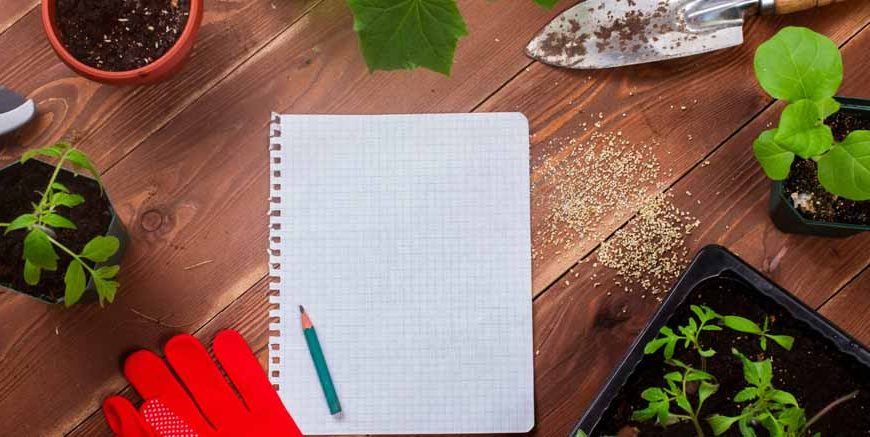
You watch your children stare blankly at bright screens for hours every weekend. Getting them to step outside often feels like a massive daily battle. Urban living spaces in India leave very little room for open playgrounds, pushing families into quiet indoor isolation. You need a highly practical way to teach your kids real patience and physical responsibility. Handing your child a small plastic pot and some wet soil fixes this modern problem quickly.
Growing plants offers a brilliant, hands-on science lesson right on your apartment balcony. When a school teacher asks your young student to write an essay on gardening, you hold the perfect opportunity to spark a genuine love for nature. This guide provides you with exact templates to help your kids write a fantastic garden essay in English while actually learning the core concepts.
Simple 10 Lines for Class One Students
Young children in the first standard need highly direct facts to finish their homework quickly. They process simple physical actions much better than complicated scientific theories. You can dictate these exact sentences when your child needs to submit a quick ten-line assignment.
- Growing green plants from tiny seeds is my absolute favourite outdoor activity.
- I wake up early every single morning to give fresh water to my thirsty plants.
- Plants need bright daily sunlight and healthy wet soil to grow very strong.
- We grow spicy green chillies, red tomatoes, and fresh coriander in our small pots.
- Digging in the soft dirt keeps my physical body very active and healthy.
- I love watching busy honeybees visit the bright yellow sunflowers.
- Pulling out harmful weeds gives the good plants enough space to spread their roots.
- We use natural organic compost to feed our green friends properly instead of chemicals.
- Waiting patiently for a small dry seed to become a large plant teaches me great discipline.
- Eating fresh vegetables from our own home makes me feel incredibly proud and happy.
Read More – Essay on Nature for Kids
Structuring a Short Gardening Paragraph for Class Two
Class two students must start connecting their scattered thoughts logically. They have to explain how different daily actions lead directly to a final reward. When your child writes a short gardening paragraph, they should focus heavily on the sensory details of the outdoor activity and basic plant facts.
Taking care of plants provides a wonderful break from sitting inside a noisy classroom all day. Whenever you spend time outside digging in the fresh dirt, you learn exactly how nature works. A good gardener knows that seeds require the correct amount of daily water and warm sunshine to sprout successfully. I help my parents mix rich organic fertiliser into the dark brown soil every Sunday morning. We get to watch tiny green shoots slowly push through the wet mud after a few days of careful watering. Being outside among the growing plants makes my mind feel completely calm and relaxed. It feels highly rewarding to pick fresh vegetables with your own hands for the family dinner.
Developing a Detailed Essay on Gardening for Class Three
Older primary students face much stricter grading rules from their class teachers. A full essay on gardening needs to show emotional maturity and clear factual knowledge. A detailed paper allows your child to explore the actual science behind growing food.
Plants act as the main lungs of our entire planet. They take in harmful carbon dioxide from the polluted city air and release clean oxygen for us to breathe. The green colour in leaves comes from a special substance called chlorophyll, which helps plants cook their own food using direct sunlight. When you start your own balcony project, you actively help the local environment stay healthy and cool. Children today often think food just magically appears in plastic bags at the local supermarket.
Digging in the dirt teaches them the massive amount of hard physical work required to produce a single edible carrot. They learn to deeply respect the local farmers who grow crops for the whole country.
Fostering this direct connection with nature builds incredibly strong observational skills in young kids. A solid early educational framework understands this exact developmental need perfectly. The Heureka curriculum actively encourages young minds to observe their physical surroundings closely and form strong personal connections with the natural world. This highly effective teaching method shows kids how to find absolute joy in outdoor learning spaces. When a child takes total responsibility for a living plant, they develop real empathy. They stop destroying public park property and start protecting the fragile environment around them.
Focusing on Aesthetics: The Flower Garden Essay
Sometimes teachers ask students to describe the beauty of nature rather than just the science of growing vegetables. If your child has to write a flower garden essay, you should encourage them to focus entirely on vibrant colours and beautiful smells.
We decided to turn our empty front yard into a bright paradise for local birds and friendly insects. My family planted pink roses, purple lavender, and white jasmine bushes along the main walking path. The bright colours attract busy honeybees that help pollinate the surrounding trees.
Maintaining these beautiful blooming bushes requires you to carefully trim the dead branches every single month. Seeing a bare branch suddenly burst into a massive red flower makes all the hard physical work completely worth it. Traditional Indian homes always keep a holy Tulsi plant near the entrance, which brings both a sweet smell and great medicinal benefits to the family.
Read More – Essay on Rose Flower for Kids
The Benefits of Living Near Garden Spaces
Living near garden areas brings immense joy to the entire neighbourhood because the sweet smells travel through the morning breeze. Research shows that children who live close to green parks face far fewer breathing problems and enjoy better mental health. Large trees act as natural sound barriers, blocking out the loud noises of heavy street traffic. A nearby green space also provides a completely safe area for kids to run and play outside without worrying about fast cars. Local communities often gather in these green spots to celebrate festivals, making the whole neighbourhood feel like one big happy family.
Conclusion
We spend so much money buying expensive plastic toys to keep our children busy and entertained. Yet, the absolute most powerful tool for childhood development requires just a cheap packet of seeds and a little bit of empty dirt. Teaching your child to grow plants gives them ultimate control over a living thing. They learn to fix their own mistakes when a plant wilts, and they learn to celebrate quiet victories when a new bud opens.
You completely change their worldview by simply showing them the incredible power hidden inside a tiny dry seed. Taking the time to connect with the earth ensures your child grows up into a highly responsible and caring adult. You can easily find more highly practical parenting tips and excellent educational resources by visiting the EuroKids Blog or you can ask for EuroKids Preschool Admission details for your child today.
FAQs
Why is planting seeds a good activity for young children?
Planting seeds gets children away from digital screens and encourages heavy physical movement. It teaches them vital life skills like daily responsibility, long-term patience, and basic environmental science.
What are the easiest plants for a young child to grow at home?
Mint, coriander, and marigolds are the absolute easiest plants for beginners in India. They grow very quickly in small pots and require very little daily maintenance to survive.
How does this outdoor hobby improve mental focus?
Taking care of plants forces a child to slow down and pay close attention to small physical details. This quiet and focused activity heavily reduces daily stress and improves their classroom concentration.
Can we start growing plants if we live in a small apartment?
Yes, you can easily start a balcony project using small plastic containers or old buckets. Many beautiful plants and useful herbs grow perfectly well near a sunny indoor window.