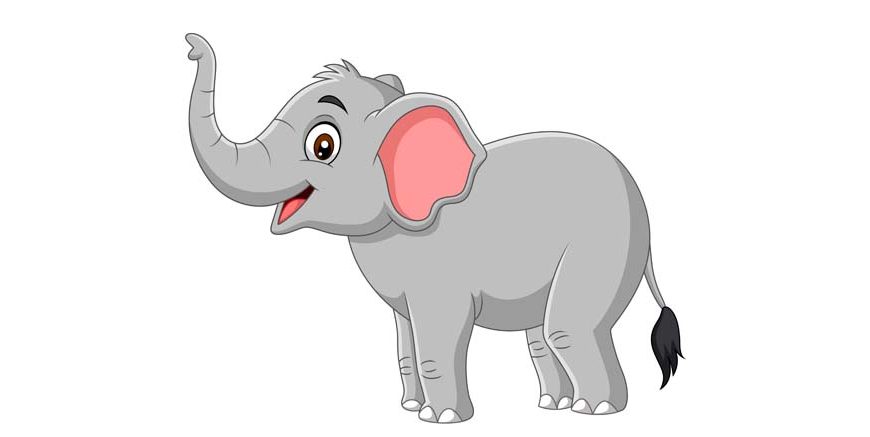
Imagine standing in the dusty savannah and watching a creature so impossibly large that its knee is higher than your own head. They are the absolute, undeniable giants of the land. To a young, inquisitive child, these creatures look almost mythical, like friendly monsters plucked straight out of a fantasy storybook. But beyond their sheer, breathtaking size, the way their bodies are physically put together is a genuine masterclass in natural, biological engineering.
When we take the time to teach our children about specific elephant parts, we are delivering much more than a standard, dry biology lesson. We are actively helping them understand how living creatures perfectly adapt to survive in some of the harshest, hottest environments on Earth. Rather than just staring at a static photograph in a textbook, let us break down the amazing biology of these gentle giants and explore exactly how each unique physical feature works to keep them perfectly alive and thriving.
The Marvel of the Trunk
When a student raises their hand and asks for an elephant parts name, the trunk is almost always the very first feature they point at. It is arguably the single most famous, recognisable animal feature on the entire planet. But it is entirely incorrect to think of it as just a long, funny-looking nose. A trunk is a massive, incredibly complex, and highly powerful muscle. In fact, scientists estimate that it contains up to forty thousand individual muscles, whilst completely lacking a single hard bone.
If you want to explain its function to a child, tell them to imagine a multi-tool. It breathes, it smells, and it acts exactly like a giant, built-in drinking straw. The animal can suck up nearly ten litres of water into the trunk, and then curl it around to squirt the water straight into its mouth. It also acts as an extra hand. The very tip of the trunk is so incredibly sensitive and precise that it can gently pluck a single, tiny peanut off the dusty ground without cracking the shell, yet the main muscle is strong enough to aggressively rip a heavy, thick branch completely off a tall tree.
Read More – Elephant Facts for Kids
The Magnificent Tusks
Next on our comprehensive elephant body parts name guide are the brilliant, curved tusks. These long, heavy ivory spikes sticking out of the animal’s face are actually just giant teeth! Specifically, they are overgrown incisor teeth that emerge from the upper jaw and continue to grow for the animal’s entire lifetime.
They do not just sit there looking impressive; they are vital survival tools. The animals use them exactly like heavy-duty garden forks. They use the sharp points to dig deep into dry, sandy riverbeds to find hidden drinking water during severe droughts. They also use them to brutally scrape highly nutritious bark off thick trees for their dinner, and to fiercely defend their young calves from dangerous, hungry predators roaming the plains.
The Giant, Flapping Ears
Whether you are looking at the African or Asian species, those massive, leathery flaps on the side of their heads are completely impossible to miss. While they certainly use them to hear distant sounds and listen to the rest of the herd, their ears serve a much more urgent, biological purpose. They act as a massive, built-in air conditioning system.
Because these giants live in blistering, scorching climates and lack normal sweat glands, they can easily overheat. To stop this from happening, they pump hot blood directly into the thousands of tiny veins sitting just beneath the thin skin of their ears. By aggressively flapping their ears back and forth in the breeze, the blood quickly cools down before flowing back into the rest of the massive body, instantly dropping their internal temperature.
Read More – Wild Animals Facts for Kids
The Silent, Heavy Pillars
Look directly at their massive, thick, tree-trunk legs. You would naturally assume that such a heavy, bulky creature makes a massive, thudding earthquake noise whenever it takes a step. Surprisingly, they are incredibly quiet, almost completely silent walkers.
How does a four-tonne animal sneak around? The secret lies in the clever construction of their feet. Their feet contain thick, squishy, fatty pads sitting right underneath the heavy heel bones. These soft cushions act exactly like thick, expensive shock absorbers on a rugged car. When the animal puts its massive foot down, the pad flattens and completely absorbs the heavy impact, allowing them to walk silently through the dry brush without snapping a single noisy twig.
The Wrinkly, Tough Skin
An essential segment of any discussion regarding elephant parts is their famous, baggy grey skin. From a distance, it looks incredibly tough and thick, almost like a heavy suit of leather armour. While it is thick in some places, it is actually highly sensitive. They have so many nerve endings that they can physically feel a tiny, lightweight fly landing right on their massive back!
Children always ask why they look so wrinkly. Those deep wrinkles are a brilliant survival mechanism. When the animal splashes around in the river or covers itself in wet, sticky mud, the deep wrinkles trap the moisture against the skin. This trapped mud acts as a completely natural, highly effective sun cream, protecting them from the harsh, baking sun and stopping nasty bugs from biting them.
Read More – GK Questions on Animal Sound Names
The Clever Conveyor Belt Teeth
While we can easily see the tusks on the outside, the teeth hiding inside their mouths are just as fascinating. Because they spend up to sixteen hours a day aggressively chewing tough branches, sharp thorns, and rough grass, their massive grinding teeth wear down very quickly. Instead of growing just two sets of teeth in their lifetime like humans do, they have a clever conveyor belt system. As the front chewing teeth wear down and fall out, brand new, sharp teeth slowly push forward from the very back of the mouth to perfectly replace them.
Facts About Elephants to Make Learning Easy
Learning basic biology is fantastic, but children always remember the slightly weird, brilliant science facts that break the normal rules of nature. Here is a curated list of fascinating, logical facts to share at home:
- They have a dominant side: Just like human children grow up to be right-handed or left-handed, these massive animals are right-tusked or left-tusked. You can easily tell which one is their favourite because it will look slightly shorter and much more worn down from constant daily digging!
- They talk through the ground: They do not just communicate by loudly trumpeting through their trunks. They produce deep, low-frequency rumbles that travel straight into the ground. Other herds standing many miles away can physically feel these invisible vibrations through the sensitive skin on their feet.
- A built-in snorkel: Because their trunk is so wonderfully long, they are excellent, confident swimmers. They can completely submerge their massive, heavy bodies under deep river water and simply hold the very tip of their trunk above the surface to breathe, exactly like a diver using a plastic snorkel.
- Their brains are enormous: They possess the largest brain of any land animal on Earth, weighing nearly five kilograms. This massive brain gives them incredible emotional intelligence. They form deep, lifelong friendships, visibly grieve when a member of their herd passes away, and boast an incredibly long, sharp memory.
Conclusion
Stripping away the magic and looking at the raw, physical biology of these giants completely changes how a young mind views the wild world. They are not just massive, lumbering beasts; they are highly evolved, sensitive, and brilliant survivors. Every single physical feature, from their silent, squishy feet to their wrinkly, mud-trapping skin, has a logical, perfectly engineered purpose.
It is genuinely thought-provoking to realise that nature designed such an unstoppable, powerful machine that still manages to be incredibly gentle, empathetic, and intelligent. If we teach our children to actively respect and understand the brilliant mechanics of the natural world, we build a fiercely protective generation ready to secure the future of these endangered giants. To uncover more fantastic, nature-inspired ways to fuel your child’s daily learning, read the latest articles on the EuroKids Blog and start their next great educational adventure by registering for EuroKids Preschool Admission today.
FAQs
Can they drink directly through their noses?
No, they cannot. If they drank straight up into their trunk, they would painfully choke, just like a human getting water up their nose! They only use the trunk to hold the water like a large cup, before squirting it safely into their mouths to swallow.
Do both males and females grow tusks?
It depends entirely on the specific species. In the African species, both the males and the females grow long ivory tusks. However, in the Asian species, usually only the males grow large, visible ones.
Why do they throw dirt on their backs?
After taking a refreshing bath in the local river, they purposefully throw dry dirt and thick dust all over their wet bodies. This creates a solid, protective crust that blocks the hot sun and stops angry insects from biting their sensitive skin.