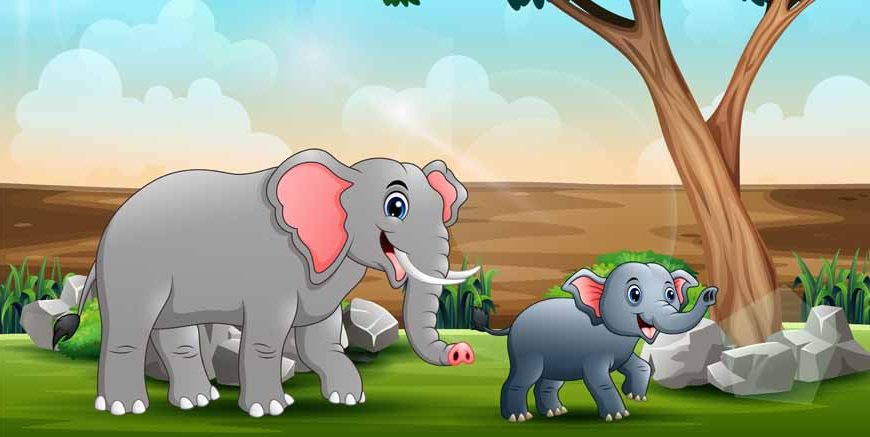
Have you ever trusted a close friend completely, only for them to suddenly turn around and play a rather nasty trick on you out of nowhere? It stings terribly. It hurts your feelings deeply, and it makes you question why you bothered trusting them in the first place. Well, it turns out that animals can feel that exact same sharp sting of betrayal.
We often read quick bedtime fables to our children simply to get them to fall asleep on time, but the truly brilliant tales always hide a heavy, undeniable truth inside them. Instead of a typical royal fairy tale, today we are taking a dusty walk through an old village market. We are looking at a classic fable about a massive animal, a grumpy shopkeeper, and a very silly mistake that ruined a perfectly good day.
A Beautiful, Quiet Friendship Blooms
Long ago, in a bustling town filled with colourful market stalls and noisy traders, there lived a very hardworking tailor. His small shop was packed to the ceiling with bright, expensive silk fabrics. Every single afternoon, a massive, gentle temple elephant would walk slowly down that exact same street on his way to the local river for a cool bath.
The relationship between the elephant and the tailor became a beautiful daily routine. The contrasting image of this giant, heavy creature stopping quietly outside the shop of a man who worked with tiny, delicate needles is exactly what makes this setup so special. Every time the giant animal stopped by the wooden window, the shopkeeper would smile warmly and feed him a sweet, ripe banana or a piece of fresh sugarcane. The animal would happily accept the treat, raise his heavy trunk to say thank you, and lumber off towards the river. It was a lovely, silent friendship built on total trust and daily kindness.
Read More – Elephant And Friends Story For Children With Moral
The Day the Kindness Suddenly Stopped
If you have ever searched for a good elephant and tailor story in English to read to your kids, you probably know that the peaceful beginning does not last very long. We tell this specific tale in classrooms and bedrooms across the world because it perfectly translates a universal truth about human behaviour: bad moods can make us do incredibly foolish things.
One terribly hot afternoon, the shopkeeper was having a dreadful day. Customers were complaining, his fingers were tired, and he was in a deeply grumpy, foul mood. Right on schedule, his giant animal friend stopped by the open window, happily poking his trunk inside and waiting patiently for his daily banana.
But the shopkeeper did not have a banana. He did not have any patience left, either. Instead of just gently shooing the animal away or offering an empty hand, the grumpy man did something extremely cruel. He grabbed a sharp, silver sewing needle from his wooden desk and pricked the soft, sensitive tip of the animal’s trunk as hard as he could.
The poor creature pulled his trunk back in shock and severe pain. He did not roar. He did not smash the shop to pieces. He simply turned around in total silence and walked slowly away towards the river, his feelings completely shattered.
The Heavy Cost of a Bad Mood
This is where the famous elephant and tailor story takes a brilliant, messy turn. The animal reached the cool river, but he was no longer interested in a relaxing bath. His trunk was throbbing, and he remembered exactly who caused the pain. Elephants are famous for their massive, brilliant memories, and this one was certainly not going to forget a sharp needle.
Instead of washing himself, he waded into the thickest, dirtiest part of the riverbank. He sucked a massive amount of foul, muddy brown water right up into his long trunk. Then, he marched heavily all the way back into the town, straight to the fabric shop.
The grumpy man was busy sewing a highly expensive, bright white silk dress for a wealthy customer. Without a single warning sound, the giant animal lifted his trunk and aggressively sprayed the thick, filthy mud all over the shop. The expensive silk fabrics were instantly ruined. The man’s hard work was completely destroyed, and he was left sitting in a puddle of dirty water, instantly regretting his nasty, spiteful behaviour.
Read More – Elephant Facts for Kids
What Can Young Minds Learn From This Mess?
When we tell this fable to young children, we are not just telling them to avoid poking dangerous animals with sharp objects. We are breaking down complex emotional reactions. Here is a clear, handy list of the brilliant life lessons hiding inside this muddy disaster:
- Every action has a reaction: If you decide to put negative, mean energy out into the world, it will almost certainly bounce right back and hit you in the face.
- Animals demand respect: Creatures cannot speak our language, but they absolutely feel physical pain and emotional betrayal just like we do.
- Anger destroys hard work: The shopkeeper let a temporary, silly bad mood ruin his expensive fabrics and his local business reputation.
- Trust is fragile: It took months to build a lovely daily friendship with a banana, but it only took one single second with a sharp needle to destroy it forever.
At the core of the Heureka Curriculum, we strongly believe that nurturing this type of deep emotional intelligence is just as crucial as teaching basic maths or spelling. When children understand that their momentary actions deeply affect the feelings of others, they naturally grow into much kinder, more empathetic adults.
Read More – Short Moral Stories For Kids in English
Conclusion
It is a genuinely thought-provoking reality that a simple story about a muddy animal can teach us so much about our own human flaws. We all have bad days where we feel incredibly grumpy and frustrated, but taking that heavy frustration out on an innocent friend is always a massive mistake. The mud on the shop floor was just a physical reminder of a much deeper, emotional mess.
Teaching our children to take a deep breath, manage their anger safely, and treat every living creature with gentle respect is the ultimate goal of reading these classic tales. If you are keen to discover more wonderful stories, practical parenting tips, and details about our unique educational approach, simply explore the EuroKids Blog and secure your child’s brilliant learning journey today through EuroKids Preschool Admission.
FAQs
Why did the animal choose to use muddy water instead of just hitting the man?
The mud was a clever, calculated way to ruin the man’s precious livelihood, his clean, expensive fabrics, without resorting to brutal physical violence. It perfectly matched the emotional hurt he felt.
Is it actually true that these giant animals never forget anything?
Yes! Science has proven that they possess the largest brains of any land mammal, giving them an incredibly advanced memory for both friendly faces and past traumas.
What is the best age to tell this specific fable to a child?
It works brilliantly for children between the ages of four and eight, as they are just beginning to properly understand the complex concepts of fairness, revenge, and emotional empathy.