Every time you take a drive down the high street or go on a long holiday journey, your child likely stares out of the window, completely fascinated by the zooming machines around them. Cars are essentially giant, moving puzzles on wheels. But instead of just saying “look at that red car”, what if you could teach them exactly how that brilliant machine is put together?
Teaching young minds about the mechanics of everyday transport turns a boring school run into a highly engaging science lesson. Let us break down this giant metal puzzle so your little ones can confidently point out every single piece during your next drive.
Building a Basic Car Parts List
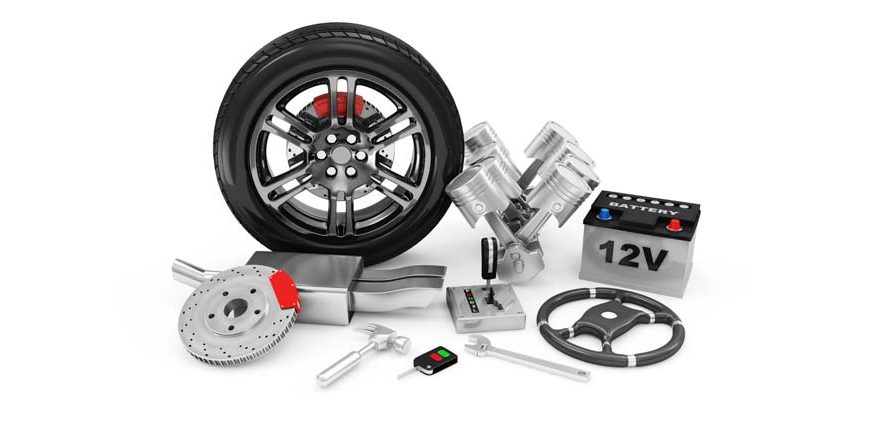
Just as children learn the names of their own fingers, toes, and elbows, learning fundamental car parts names gives them a brilliant vocabulary boost. A car is very much like a human body. It needs a strong skeleton, a heart to pump energy, and sturdy legs to run. By creating a fun car parts list, we can help children understand how all these different sections work together to get us safely from our house to the park.
It is not just about memorising long words; it is about understanding basic mechanics. Knowing a specific vehicle parts name helps a child explain exactly what they are looking at, building their confidence in observing the fast-paced world around them. Instead of saying the car is broken, they can point and say that the tyre is flat.
Read More – Fun Transportation Activities for Preschoolers
Car Body Parts Names List and Car Outer Parts Name
When you first walk up to your family vehicle in the driveway, the very first things you notice form the protective shell. This is where we begin looking at a car outer parts name. The outer shell is designed to keep families safe, dry, and warm.
If we were to write down a car body parts names list, we would start with the heavy metal doors that let us inside, and the clear glass windows (including the windscreens at the front and rear) that allow the driver to see the road ahead. We also have the sturdy roof above our heads to block the heavy rain, and the strong side mirrors that act like extra eyes, allowing the driver to see what is happening behind them. Finally, we cannot forget the four thick rubber tyres. These act exactly like the car’s strong running shoes, gripping the wet tarmac tightly so the vehicle does not slip and slide on a rainy afternoon.
What is Hiding Under the Front? Car Hood Parts Names
The front of the car holds the most magical, noisy secrets. In the UK, we usually call this front metal cover the bonnet, but it is also widely known across the world as the hood. Exploring car hood parts names is like opening a treasure chest for a curious child.
The biggest and most important automobile parts name hiding under here is the engine. You can easily explain to your child that the engine is the actual ‘heart’ of the car. It drinks fuel and breathes air to create the loud, roaring power that pushes the heavy metal forward. Right next to the engine sits the battery.
You can tell them this is simply a giant version of the batteries you put inside their favourite plastic toys, giving the car its electrical spark to switch on the radio and the bright headlights. There is also the radiator, which acts like a giant fan to keep the hardworking engine cool on a scorching summer day.
Read More – Tips for Ensuring Child Car Seat Safety
Moving to the Rear: Car Back Parts Name
The tour of our giant metal puzzle finishes at the rear end. Learning a car back parts name is just as important as the front to understand the full picture. The most familiar section here is the boot. This is the large, hollow storage cave where we pack all the heavy supermarket shopping bags or our bulky suitcases before a long holiday.
Down near the bottom of the bumper, you will find the exhaust pipe. You can describe this to a young child as the car’s chimney, puffing out the leftover smoky gases safely away from the passengers sitting inside.
Finally, there are the bright red tail lights and yellow indicator lamps. These are essentially the car’s way of talking to the other drivers behind it on the road, glowing brightly to say “I am stopping now!” or blinking rapidly to say “I am turning left!”
Summary
Understanding the world around us is the very first step in learning how to shape it. When we teach our children the proper names for the heavy machinery they see every day, we do so much more than just increase their spelling vocabulary. We are actively demystifying the world, showing them that even the biggest, loudest, and most complex machines are just made of smaller, understandable pieces working perfectly together in harmony.
How differently will your child view their morning journey to school tomorrow now that they know exactly what powers their ride? To discover more wonderful ways to nurture your child’s boundless curiosity and give them a brilliant educational start, explore the EuroKids Blog and find out everything you need to know about EuroKids Preschool Admission today.
FAQs
Why is it important for kids to learn about vehicles?
Learning these terms helps develop their observational skills, expands their mechanical vocabulary, and turns everyday car journeys into engaging, interactive learning experiences.
How can I make learning these parts fun?
Turn it into a game of ‘I Spy’ during your daily commute, asking them to point to specific areas like the steering wheel, the exhaust chimney, or the rubber tyres.
What is the easiest way to explain an engine to a child?
Simply describe the engine as the car’s beating heart. Just like they need healthy food to run around the playground, the engine needs fuel to push the heavy car forward.