The human brain sits completely in the dark, safely tucked inside a hard, bony skull. It has no physical eyes to see the sunset, no ears to hear a dog bark, and no hands to feel the texture of a soft blanket. So, how does it know that a fresh batch of chocolate chip cookies is baking in the kitchen? It relies entirely on a brilliant network of biological messengers.
If you are wondering what are sense organs, they are the body’s specialized communication centers. A clear sense organs definition describes them as specific body parts containing tiny nerve endings that pick up information from the outside world and rush those messages directly to the brain. Let us look closely at how our body translates the physical world around us into things we can actually experience.
How Many Sense Organs Do We Have?
People often ask, how many sense organ do you have working to keep you safe and aware of your surroundings? While our bodies feature dozens of highly complex internal systems, there are five primary gateways to the brain.
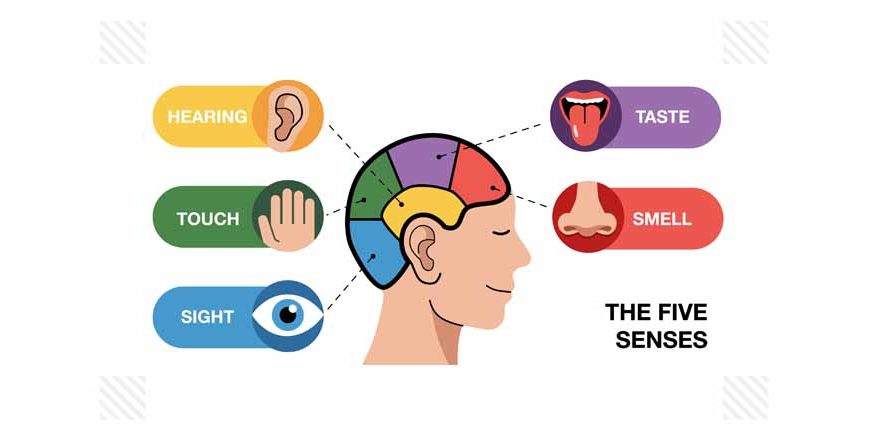
If we want to list the five sense organs name, they are the eyes, ears, nose, tongue, and skin. Together, these sense organs of human body act like high-tech cameras, microphones, and chemical testers. They constantly gather daily data so we can react to our environment safely and comfortably.
Read More – All Body Parts for Kids
Exploring Sense Organs With Their Functions
Every single gateway has a highly specific job. Let’s break down these sense organs with their functions to see exactly how these remarkable tools work every single day.
The Eyes (Sight):
When you watch a cartoon or read a textbook, your eyes are pulling in bouncing light. They focus this light through a clear lens to create a tiny picture on the back of the eyeball. The optic nerve then sends this picture to the brain, translating raw light into beautiful colors, movements, and shapes.
The Ears (Hearing):
Sounds are just invisible vibrations traveling through the air. Your outer ear catches these vibrations like a funnel and sends them down a tiny tunnel to vibrate your eardrum. Interestingly, the ears also contain special fluid-filled tubes that help you keep your physical balance so you do not fall over while running!
The Nose (Smell):
Every time you take a deep breath, invisible chemical particles enter your nostrils. Tiny hair-like receptors catch these particles and tell your brain exactly what you are smelling, whether it is a beautiful blooming flower or dirty gym socks.
The Tongue (Taste):
Your tongue is covered in thousands of tiny bumps called taste buds. When you eat a snack, these bumps detect basic flavors: sweet, salty, sour, bitter, and savory.
The Skin (Touch):
This is the largest sense organ of our body, covering us completely from the top of our heads down to our toes. It is an incredibly sensitive organ in our body because it is packed with millions of nerve endings. These nerves instantly tell your brain if a cup of milk is too hot, if a winter wind is freezing cold, or if a rough rock might scratch you.
Read More – Facts About Human Body for Preschoolers
What Are Sense Organs for Class 5 Students?
If you are currently studying for a science test and need to know exactly what are sense organs for class 5, think of them as the five essential doorways to your brain. Without these doorways, no information could ever enter your mind.
The eyes detect light waves, the ears detect sound waves, the nose and tongue detect chemicals, and the skin detects physical pressure and temperature changes. They are a team of fast reporters, giving your brain the daily news about what is happening right outside your body so you can make smart, safe decisions.
Conclusion
To wrap up our biological tour, it is very clear that our body is a masterpiece of natural engineering. These five incredible tools work together so smoothly that we rarely even think about them. They protect us from burning our hands on hot stoves, help us enjoy the sweet taste of a summer apple, and let us listen to the voices of our family members.
Understanding how we perceive the world leaves us with a truly fascinating thought. The universe is entirely full of silent light waves, invisible floating chemicals, and quiet sound vibrations. It is only because of our five biological sensors that these invisible scientific elements are beautifully translated into the colorful, noisy, and delicious experience we call human life. Without them, the world would just be a blank canvas!
To read more fun and educational articles, check out the EuroKids Blog, and visit our website for details on EuroKids Preschool Admission.
FAQs
Can you lose one of your senses?
Yes, sometimes people are born without the ability to see or hear, or they might lose a sense due to an illness or accident. When this happens, the brain often makes the other remaining senses much stronger to compensate!
Are taste and smell closely connected?
Absolutely. They work as a team to create the full “flavor” of your food. This is exactly why your dinner tastes completely bland and boring when you have a stuffed-up nose from a cold.
Why is the skin considered an organ?
In biology, an organ is simply a group of tissues working together to perform a specific job. Because the skin actively protects the body, regulates our temperature, and feels pressure, it is officially classified as an organ.
Do humans have more than five senses?
While we learn about the main five in primary school, scientists agree we actually have more! For example, we have a sense called “proprioception,” which is the inner awareness of knowing exactly where our arms and legs are, even when our eyes are tightly closed.