Empty your child’s canvas satchel on a rainy Friday evening, and you will likely shake out half a lead pencil, some sharpened wood shavings, a crushed toffee, and a rough scrap torn from a single-line notebook. On that paper, in messy handwriting, your third-grader has penned the word in red ink with four arrows shooting off toward four words: Box, Of, Knowledge. They run into the kitchen, tug your shirt while you stir the evening tea, and ask if their English textbook has been hiding a military code all along.
Getting clear on the book full form helps you settle that weekend homework argument, explain how real words work, and show your child why holding paper leaves in their hands beats tapping a plastic tablet screen until their eyes water.
What Does BOOK Stand For in School?
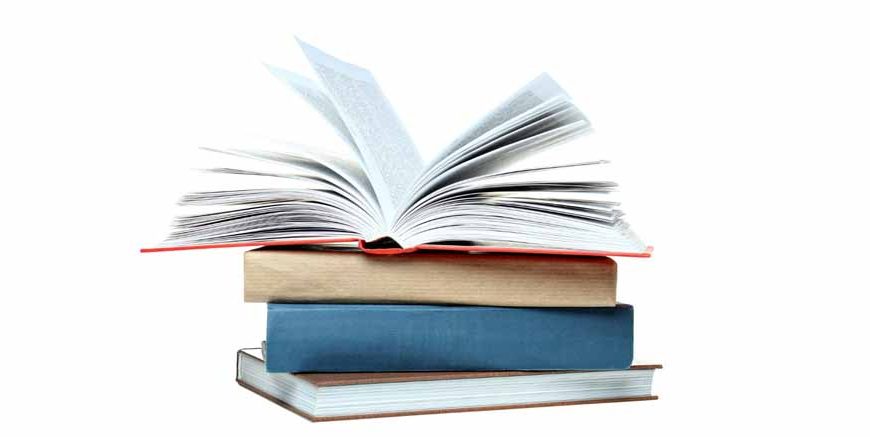
The genuine word came from an ancient Germanic term “boc,” meaning beech wood. Centuries before mills made cheap paper from rags, people carved runes and marks into flat slabs of beech timber. While Box Of Knowledge is not real linguistics, it does honest work in an Indian classroom by turning a heavy syllabus reader into something an eight-year-old actually wants to touch.
Read More – Educational Full Forms
Other Versions Found in School Notebooks
Depending on your city, your school board, or the private publisher that printed your child’s general knowledge workbook, you will spot two or three other expansions written on classroom charts:
- Big Ocean Of Knowledge turns up on library noticeboards near the steel cupboards. Librarians put it there to remind children that you can never run out of pages, just as you cannot drain the Bay of Bengal with a steel tumbler.
- Built Of Organised Knowledge is favoured by senior teachers. It tells students that a proper volume does not throw facts around like pebbles on gravel.
- Bound Pages Of Outstanding Knowledge shows up in inter-house quiz finals.
Why Indian Primary Schools Teach This Expansion
Try asking a seven-year-old to turn off the sitting-room television, sit at a wooden desk, and read twenty pages of English prose on a muggy afternoon. You get groans, tears, and excuses about water bottles or sharp pencils. Mobile screens, cartoon reels, and video games blast bright colours and noise at our children every three seconds. A plain printed page with black ink looks dead and dry next to a flickering screen. When a parent says go finish your chapter, the child feels punished.
Using the book full form gives teachers and parents a way past that stubborn wall. It turns an ordinary object into a game of discovery during morning roll calls and Saturday chart-making competitions. When a child stops seeing their reader as three hundred grams of dead weight pressing down on their shoulder straps, and starts viewing it as a locked box holding secrets, they stop fighting the study hour and start turning pages on their own.
What Regular Reading Does for a Young Mind
- Real Vocabulary: Children meet full, rich sentences on paper, picking up natural language rhythms instead of the chopped-up slang they hear on internet videos.
- Deeper Patience: Following a story across three chapters trains a young brain to hold one clear thought in place, undoing the jumpy, restless habits caused by mobile phones.
- Grounded Empathy: Reading about people who live in snowy valleys, old villages, or jungle clearings pulls a child out of their own small room and teaches them to care about how strangers live and feel.
How EuroKids Builds an Honest Love for Reading
Toddlers sit together on cotton floor mats for morning story hours, where teachers use simple hand puppets, change their voices for different woodland animals, and pause to ask the children what might happen next. By letting young learners feel the paper, ask silly questions without getting hushed, and connect printed letters with real daily play, EuroKids gives children the steady focus, rich vocabulary, and quiet self-belief they need to become confident, willing readers for the rest of their school years.
Conclusion
That torn slip of paper inside your child’s school bag proves how much young minds want to find wonder in ordinary things. Even though Box Of Knowledge began as a classroom memory aid rather than a serious historical fact, it holds a truth that every modern home should remember: the plainest paper volume on your child’s nightstand holds more genuine nourishment than hours spent tapping on a phone screen. When you teach your child to love real pages, you hand them an anchor that steadies them against the shallow, noisy distractions of modern life. A phone screen feeds your child ready-made pictures, but a good book makes your child build the world inside their own head.
To read through more practical parenting advice and early education ideas, explore the EuroKids Blog, and visit your neighbourhood centre to speak with the teachers about EuroKids Preschool Admission for your little one today.
Frequently Asked Questions
What is the full form of BOOK taught in primary schools?
The most common answer taught in school general knowledge quizzes is Box Of Knowledge, which teachers use to help young children see the value of reading.
Is this full form an official dictionary entry?
No, the word is an ordinary noun that comes from an ancient Germanic root meaning beech wood, while the four-word phrase is simply a creative classroom backronym.
What are the other common expansions of the word BOOK?
Children often encounter Big Ocean Of Knowledge or Built Of Organised Knowledge on library posters to encourage regular reading habits.
Why do teachers use creative acronyms in early classes?
Teachers use these simple word games to make study periods lively, break up boring drills, and help young students appreciate the everyday learning tools around them.