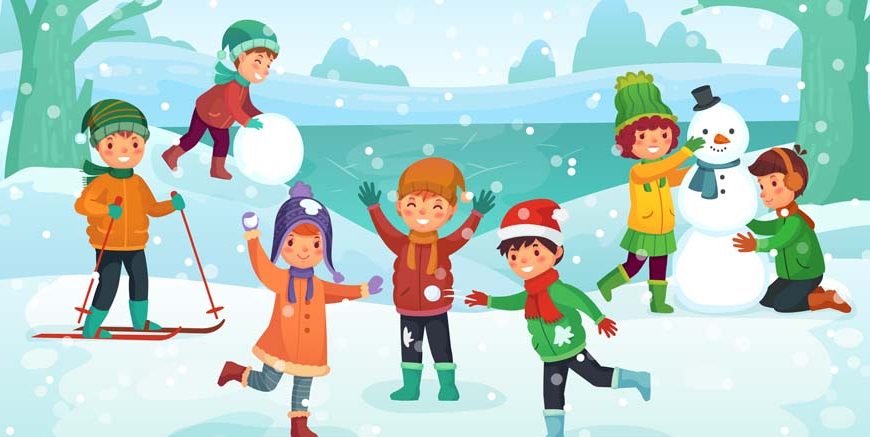
Every parent knows the winter morning routine. You are trying to get out of the door on time, but your toddler is running away, completely refusing to put on their jacket. When you finally wrestle them into their sweater, they immediately try to pull off their socks. Getting a young child dressed for cold weather is a daily athletic event.
However, part of this struggle comes from a lack of communication. If a child does not know the specific winter clothes names, they cannot tell you if a sweater is too itchy or if their boots are too tight. They just say “No!” and run away. Teaching your child the correct vocabulary for the clothes we wear in winter empowers them. It turns dressing from a frustrating battle into a cooperative conversation.
If you want to build your child’s seasonal vocabulary, you need more than just a boring list. You need to connect the words to the physical items they wear. We have compiled a comprehensive list of winter clothes, complete with descriptions and practical tips on how to teach these words without any tears.
Read More – Winter Clothing for Kids
The Base and Outer Layers: Keeping the Core Warm
When we talk about a winter season dress code, layering is the most important concept. Children need to understand the order in which these garments are worn.
- Thermal Underwear (Thermals)
- What it is: The secret, super-soft base layer that hugs the skin to trap body heat.
- How to teach it: Call it their “superhero suit” that goes under everything else. Let them feel how soft the inside of the fabric is before they put it on.
- Sweater (Pullover)
- What it is: A knitted, long-sleeved piece of clothing that you pull over your head.
- How to teach it: Let them identify the collar, the sleeves, and the bottom opening. Using winter clothes pictures or flashcards showing different colourful sweaters helps them recognise the item even when the design changes.
- Cardigan
- What it is: Similar to a sweater, but it opens completely at the front and uses buttons or a zipper to close.
- How to teach it: This is a great tool for fine motor skills. Ask them to practice pushing the big buttons through the holes.
- Jacket / Coat
- What it is: The heavy outer shell. A jacket is usually shorter (waist-length), while a coat is longer and heavier for very cold snowy days.
- How to teach it: Point out the heavy zipper and the pockets. Tell them the coat is the “shield” that blocks the cold wind from touching their inner clothes.
Read More – Tips for Keeping Your Child Warm This Winter
Protecting the Extremities: Hands, Feet, and Heads
Children lose a massive amount of body heat through their heads and hands. These types of winter clothes are crucial, but they are also the items kids love to throw on the floor the most.
- Beanie (Woolen Cap)
- What it is: A soft, stretchy knitted hat that fits closely over the head and ears. Sometimes it has a fluffy pom-pom on top.
- How to teach it: Make it a game. Say, “Let’s hide your ears!” and pull the beanie down.
- Mittens
- What it is: A warm covering for the hands where four fingers share one large space, and the thumb has its own separate space.
- How to teach it: Mittens are much easier for toddlers than gloves. Tell them their fingers are having a “cuddle party” inside the mitten to stay warm.
- Gloves
- What it is: Hand coverings where every single finger has its own separate little pocket.
- How to teach it: Gloves require patience. Hold up a glove and count the five finger holes together. Match them to the five fingers on your child’s hand.
- Woolen Socks
- What it is: Thick, fuzzy socks made of wool designed to keep toes toasty inside heavy shoes.
- How to teach it: Let them rub the fuzzy material against their cheek. Ask them to find the heel and the toe of the sock before sliding it on.
- Boots
- What it is: Heavy, sturdy shoes that cover the foot and the ankle, keeping water and snow out.
- How to teach it: Boots are for stomping! Once they put their boots on, encourage them to do a “heavy boot stomp” to make sure their heel is all the way down inside.
The Extras: Fun Accessories for the Cold
A complete winter season clothes name list must include the accessories. These items are highly functional but can also be used to teach colours, patterns, and textures.
- Scarf
- What it is: A long, rectangular piece of warm fabric wrapped securely around the neck.
- How to teach it: Show them how to loop it like a gentle snake hugging their neck. Be sure to teach them that scarves should be snug but never pulled tight.
- Earmuffs
- What it is: Two fuzzy, warm pads connected by a flexible band that sits over the top or back of the head.
- How to teach it: Compare them to headphones. Tell them these are “fluffy headphones that play the sound of silence” to block the windy weather.
Interactive Games to Practice Winter Vocabulary
Do not just read this winter season clothes list to your child. You have to make the vocabulary active. Young children process information much faster when they can touch, sort, and play with the objects they are learning about.
The Winter Laundry Sort:
Dump a basket of clean laundry on the bed. Mix up summer t-shirts with heavy sweaters. Ask your child to dig through the pile and separate the clothes. Have them throw the summer clothes into one basket and the warm clothes into another, calling out the winter season clothes name as they find them.
The Dress-Up Relay:
Place a pair of oversized adult winter items (a big jacket, a huge beanie, and giant mittens) at one end of the room. Have your child run from the other side, put all the items on over their clothes, shout “I am ready for winter!”, take them off, and run back.
Flashcard Match-Up:
If you do not want to pull all your coats out of the closet, print out some colourful winter clothes pictures. Lay the cards face down on the table and play a classic memory matching game. When they flip over a matching pair, they have to pronounce the word loudly and clearly.
Why Clothing Vocabulary Builds Independence
Teaching a child what a scarf or a mitten is called is not just about expanding their dictionary. It is about fostering independence. When a child knows the name of an object, they can take ownership of it.
Instead of saying, “Put your clothes on,” you can give them a specific, manageable instruction: “Please go find your blue beanie and your red mittens.” This breaks a large, overwhelming task (getting dressed) into tiny, easy-to-understand steps. It builds their confidence and drastically reduces morning tantrums because they feel like an active participant in the routine, rather than just being told what to do.
Read More – Understanding Vocabulary Types and their Distinct Tiers
The EuroKids Philosophy on Active Learning
At EuroKids, we completely understand that children do not learn by sitting still and memorising lists. They learn by doing. We believe that every single daily routine, including getting dressed for the weather, is a profound opportunity for cognitive development.
This is exactly why we implement the HEUREKA Curriculum across our classrooms. Deeply inspired by Harvard University’s Project Zero, this framework is built entirely on the concept of “Visible Thinking.” When the seasons change, we do not just read a book about winter. We set up a winter dress-up station. We ask the children to observe the thick textures of wool versus the smooth texture of a summer cotton shirt.
Our educators guide the children to articulate why we wear heavy coats, making their thought processes visible. They learn to ask questions, solve problems, and understand the logic of the world around them. We focus on building highly inquisitive, capable, and confident thinkers.
We highly encourage you to regularly visit the EuroKids Blog. It is constantly updated with expert parenting strategies, creative home activities, and detailed guides to help you support your child’s developmental milestones right from your living room.
The Winter Wardrobe Breakdown
|
Clothing Item |
Primary Function |
Where It Goes |
Key Feature for Kids |
|
Thermals |
Traps body heat close to the skin. |
Entire body (base layer). |
Feels soft and stretchy. |
|
Sweater |
Adds a thick layer of insulation. |
Upper body. |
Pulls over the head without zippers. |
|
Coat/Jacket |
Blocks wind, rain, and snow. |
Upper body (outer layer). |
Has a zipper and pockets. |
|
Mittens |
Keeps hands warm together. |
Hands. |
Four fingers share one big space. |
|
Beanie |
Prevents heat from escaping the top of the head. |
Head and Ears. |
Stretchy and often has a pom-pom. |
|
Boots |
Keeps feet dry in deep puddles and snow. |
Feet and Ankles. |
Heavy, waterproof, and great for stomping. |
Frequently Asked Questions (FAQs)
At what age should my child know all these winter clothes names?
Most toddlers begin to identify basic items like “shoes” and “hat” around 18 months. By the age of three, they should be able to clearly name specific winter items like coats, socks, and mittens if you practice with them regularly.
My child hates wearing mittens. What should I do?
This is usually a sensory issue. Mittens remove a child’s ability to grab toys easily, which is frustrating for them. Try buying fingerless gloves that have a mitten flap that folds over. This allows them to use their fingers when needed but quickly cover them up when the wind blows.
Is it better to use real clothes or winter clothes pictures to teach these words?
Always start with the real, physical clothes. Toddlers are tactile learners; they need to feel the wool and pull the zippers. Once they know the physical objects, you can use pictures or books to reinforce the vocabulary and test their memory.
How can I encourage my toddler to dress themselves in winter?
Give them choices, but limit them. Hold up two different beanies and ask, “Do you want to wear the red hat or the blue hat today?” Giving them the power to choose makes them much more willing to actually put the item on.
How does EuroKids teach seasonal changes in the classroom?
We immerse the children in the changing environment. Through the HEUREKA framework, a winter theme involves sensory bins filled with ice, art projects using cotton balls to represent snow, and active discussions about why animals hibernate and why humans must change the clothes we wear in winter season.