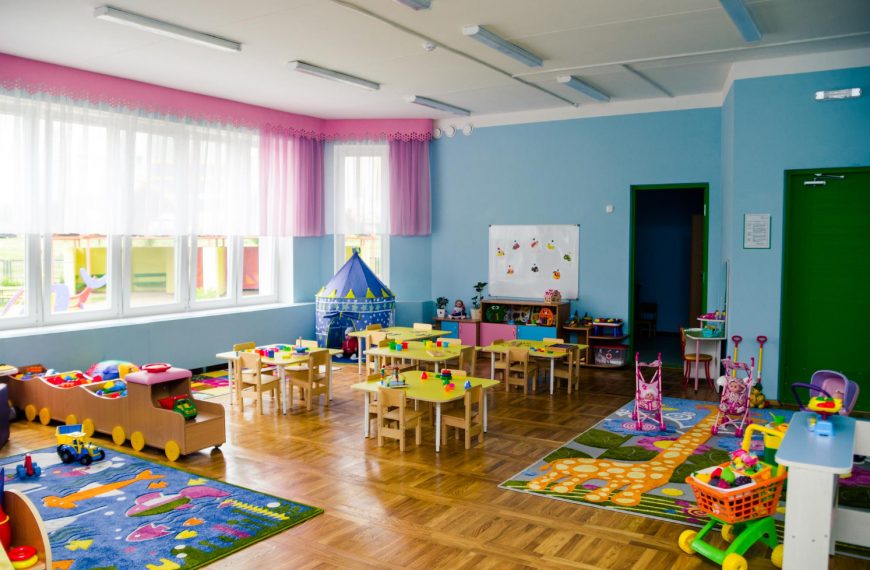
Early childhood is the foundation of lifelong learning, creativity, and emotional growth. Nursery school education helps children develop social skills, curiosity, independence, and confidence at a very young age. In this blog, we will explore the role of nursery education, practical ways parents can engage children in the creative process, and simple activities that support learning, even without a large budget.
Understanding the Importance of Nursery School Education
In an ideal world, every child would have the opportunity to grow their knowledge, skills, and passions from a young age without limitation. Unfortunately, not all children are equally privileged. While some children may come from families that can provide them with the resources and opportunities they need to develop their potential, others may not be so lucky. Even if your family income doesn’t fall into the lower range, you might still feel like there aren’t enough opportunities for your child to learn or grow their passions. Thankfully, there are a lot of ways you can help them do this, even if you don’t have a big budget for classes or activities. Here are some ideas on how you can assist in helping your child flourish from an early age:
1. Read Together
Reading is one of the most important skills to learn. It allows your child to immerse themselves in a different world, learn about new cultures and societies, and opens up an entire new worldof words that they can use to express themselves. While some children may be more drawn to visual art, reading is a skill that can be used from an early age, even if your child becomes visually impaired later on in life. And while there are many ways to engage your child with reading, from reading aloud to them when they’re younger to reading books that they can read themselves as they get older, there’s nothing better than reading together. If your child is a bit younger, you can even read to them while they are in your lap. This can help them to develop sensory awareness, and it can help to calm them down when they’re having a fussy moment. And when your child is a bit older, reading together is an excellent way to bond with them. It can also help them to learn how to properly read a book and understand what they’re reading.
2. Play Diverse Games
There are many ways to help your child learn and grow, and one of the most overlooked ways to do this is through games. Board games, card games, and tabletop games are excellent for helping your child develop a wide array of skills. Some examples of skills your child can develop through playing games are: Coordination, Planning, Critical Thinking, Math Skills, and Creativity. And while there are many ways to explore each of these skills through various games, here are a few examples to get you started. For coordination, you can try playing a game that requires moving pieces around. For planning, you can try a strategy-based game. For critical thinking, you can try a cooperative team game. For math skills, you can try a game that requires counting or is based on probability. For creativity, you can try a game that lets your child draw or paint.
3. Start A Collection
Collecting is always a great way to inspire creativity, and it’s something that can be done at any age. If you choose to collect something, make sure that it’s something that your child is interested in—otherwise, it can be difficult for them to get excited about it. Some examples of collections that your child could start collecting include: Figurines such as action figures, dolls, or other toys, stamps, coins, rocks, paper items like postcards, newspaper articles, and more. Anything else that they’re interested in! You can even encourage your child to collect different items, as long as they’re not harmful to themselves or others. For example, collecting coins is a great way to encourage them to be more interested in history, while collecting postcards is a good way to encourage them to be interested in other cultures.
4. Help With Creative Writing & Art
We’ve all heard that creativity is a skill that needs to be nurtured in children from a young age, but what can you do to help promote it? One of the best ways to encourage creativity in your child is to get them to write. You don’t have to just focus on poetry or short stories either,you can help them to learn to write letters to relatives, friends, and even enemies. It can also help to get them to write about their passions and interests. Whether it be about a TV show that they love or a sport that they’re passionate about, writing is a great way to help them to grow as a person. In addition to getting your child to write, it can also help to encourage them to do some art as well. You don’t have to be an artist to do this! All you have to do is show them how to doodle or paint.
5. Go On Adventures Together
While some of the previous activities on this list can be done at home, there’s nothing like going on an adventure to get your child to engage with the world around them. You can take them on trips to the park, the zoo, or even just a walk around your neighbourhood. You can even go on backyard adventures by exploring your area and finding new places to visit. Exploring new places and environments is a great way to inspire your child to learn more about their surroundings, and it can also be a great way to connect with them and help them to feel safe and secure.
6. Sign Your Child Up For Classes, Even If It’s Just For A Couple Of Times Per Week
Some parents may want to get their children involved in after-school programs or extracurricular activities, but they don’t have the resources to do so. While extracurricular activities and after-school programs are excellent ways to get your child to learn and develop their skills and passions, you don’t have to get them involved in them if you don’t have the means to do so. You can still do a lot to help your child to flourish by getting them to sign up for classes. For example, you can get your child to sign up for a dance or art class. These are excellent ways to promote creativity while also pushing your child to be more disciplined and committed towards their passions and interests.
Read More – Nursery School Admission Success
How EuroKids Supports Early Childhood Development and Creative Learning
EuroKids creates an environment where children learn through exploration, play, and guided interaction. With activity-based learning, experienced educators, and safe classrooms, children build confidence, communication skills, and curiosity. The focus is not only on academics but also on emotional, social, and creative development. Through storytelling, group activities, and hands-on learning experiences, children develop essential life skills that prepare them for school and beyond while nurturing independence and imagination from an early age.
HEUREKA Curriculum: Learning Through Discovery and Joy
At EuroKids, learning is powered by the HEUREKA Curriculum, designed to spark curiosity and discovery in young minds. It encourages children to:
- Learn through exploration and real-life experiences
- Build creativity through sensory play and activities
- Develop communication and collaboration skills
- Strengthen critical thinking and problem-solving
- Grow confidently through joyful, hands-on learning
This approach ensures that every learning moment feels exciting, meaningful, and developmentally enriching.
Conclusion
Nursery education lays the groundwork for a child’s overall development. With the right balance of learning, play, creativity, and emotional support, children grow into confident learners. No matter what age your child is, there are a lot of ways you can help them to flourish. From reading books together to getting them to sign up for dance classes, there are a lot of different activities and environments that can help them to grow and develop. And while some of these things can be expensive, it’s important to remember that your child’s growth and development is the most important thing, not the price tag.
To explore more learning ideas, simple explanations, and early childhood resources, parents can visit the EuroKids Blog. Those who wish to understand the preschool journey better or explore enrolment options can find complete information on the EuroKids Preschool Admission Page, where learning is designed to be joyful, engaging, and child-friendly.
FAQs:
1. Why is nursery school education important?
It helps children develop social, emotional, and cognitive skills during their formative years.
2. How can parents support creativity at home?
Through reading, art, storytelling, games, and outdoor exploration.
3. What skills do children learn in nursery school?
Communication, independence, teamwork, motor skills, and early literacy.
4. Are extracurricular activities necessary for young children?
They are helpful but not mandatory; simple home activities can also support development.
5. What is the right age for nursery education?
Most children begin nursery between 2.5 and 4 years, depending on readiness.