Science often feels difficult not because concepts are complex, but because they feel disconnected from daily life. Students read chemical names, symbols, and reactions, yet struggle to understand where these substances actually appear around them. Chlorine is a perfect example. It appears in textbooks, swimming pools, drinking water, cleaning products, and healthcare settings, yet many learners know the name without understanding the substance itself.
When students understand what is chlorine and why it matters, chemistry stops feeling abstract. It becomes relevant. It answers real questions about safety, hygiene, and health. This shift from memorisation to understanding is essential, especially in early learning years, when curiosity shapes long-term interest in science.
This guide explains chlorine definition, properties, and real-life applications in a way that feels clear, logical, and meaningful. The goal is not to overload you with technical terms, but to help you connect everyday experiences with scientific thinking. When learning feels connected, it stays with you.
Chlorine Definition and Meaning Explained Simply
The first step towards understanding any scientific concept begins with clarity. The chlorine definition states that chlorine is a chemical element that belongs to the non-metal group of elements. It plays a significant role in many natural and human-made processes.
The chlorine meaning becomes clearer when explained without complexity. Chlorine is a substance that helps protect people from harmful germs. It reacts easily with other elements, which makes it very useful in cleaning and purification. Because of this reactive nature, chlorine rarely exists on its own in nature. Instead, it forms compounds such as common salt, which the body needs for normal functioning.
When students learn definitions with explanation rather than memorisation, understanding improves. Chlorine stops being an abstract term and becomes a meaningful concept connected to health, hygiene, and safety.
What Is Chlorine and Where Does It Come From
To understand what is chlorine, it helps to know where it comes from and how it appears around you. Chlorine occurs naturally in the Earth’s crust, oceans, and atmosphere, mostly in the form of compounds. One of the most common examples is sodium chloride, which is table salt.
In daily life, chlorine plays an important role in public health systems. Water treatment plants use chlorine to remove harmful bacteria and viruses from drinking water. Swimming pools rely on chlorine to keep water clean and safe for use. These applications show how science directly supports human wellbeing.
Understanding where chlorine exists helps students recognise chemistry in action. Science stops feeling distant and starts feeling relevant.
Read More – Introduction of Science to your Kids
CL Chemical Name, Symbol, and Position in the Periodic Table
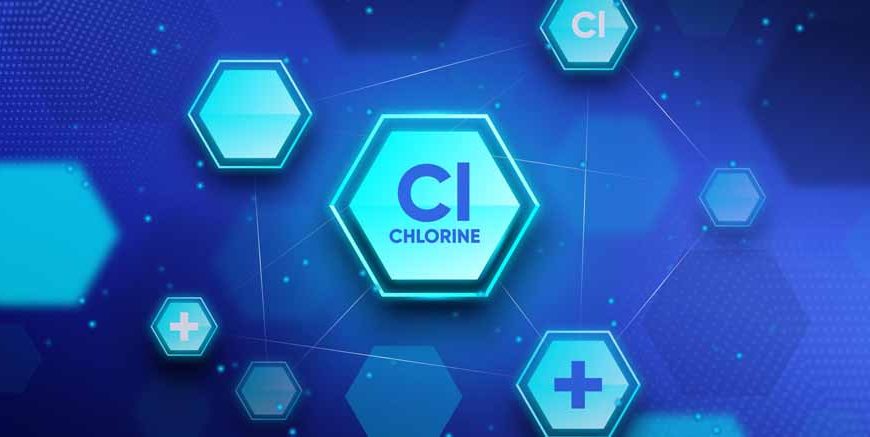
Every element has a scientific identity that helps scientists communicate accurately. The cl chemical name refers to chlorine, and its chemical symbol is Cl. This symbol appears in chemical equations and scientific discussions worldwide.
Chlorine has atomic number 17, which means it contains seventeen protons in its nucleus. Its position in the periodic table places it in Group 17, known as the halogens. This group includes elements that react easily with other substances.
When students understand why elements are arranged in the periodic table, chemistry becomes organised and logical. Chlorine’s position explains its behaviour and helps learners predict how it reacts with other elements.
Is Chlorine a Metal or a Non-Metal
A common question among students is chlorine a metal. The clear answer is no. Chlorine is non-metal. Metals usually appear shiny, conduct electricity, and can be bent into shapes. Chlorine does not show these characteristics. It exists as a gas at room temperature and reacts quickly with other substances. These properties define it as a non-metal. Understanding this distinction helps students categorise elements correctly and prevents confusion in advanced topics. Clear foundations support confident learning later.
Read More – Importance of Science Exhibitions
Physical Properties of Chlorine
The physical properties of chlorine explain how it looks and behaves under normal conditions. Chlorine exists as a yellow-green gas with a sharp and strong smell. This smell acts as a warning sign, helping people recognise its presence. Chlorine is heavier than air and spreads easily in open spaces. It dissolves slightly in water, which makes it useful in water purification. These physical traits help explain why chlorine requires careful handling. When students learn properties through observation and reasoning, information becomes easier to remember and apply.
Chemical Properties of Chlorine
Chemical properties describe how a substance reacts with others. Chlorine reacts readily with many elements, especially metals. This reactivity allows it to form compounds that serve important purposes.
Chlorine’s ability to destroy harmful microorganisms makes it valuable in sanitation and healthcare. At the same time, this same property requires strict control and responsible use. Understanding chemical properties helps students connect reactions with real-world outcomes.
Uses of Chlorine Gas in Daily Life
The uses of chlorine gas play a major role in protecting public health. One of its most important uses involves treating drinking water. Chlorine removes bacteria and viruses that can cause serious diseases.
Swimming pools rely on chlorine to maintain hygiene. Hospitals use chlorine-based disinfectants to prevent infections. Industries use chlorine to manufacture medicines, cleaning agents, and plastics. These applications show how chemistry supports society when applied with knowledge and care. Learning about these uses helps students see science as practical and purposeful.
Read More – How do you make science interesting
Safety Awareness and Responsible Use of Chlorine
While chlorine offers many benefits, safety remains essential. Professionals handle chlorine using strict safety standards to protect people and the environment. Controlled use ensures that chlorine remains helpful rather than harmful.
Teaching safety awareness encourages respect for science. Students learn that chemicals require knowledge, responsibility, and ethical handling.
At EuroKids, learning focuses on clarity and understanding rather than memorisation. Concepts like chlorine become easier through real-life examples, simple explanations, and guided discussions.
EuroKids follows the Heureka Curriculum, which encourages children to explore concepts deeply and build understanding through curiosity-driven learning.
Conclusion
Early exposure to chemistry strengthens observation and reasoning skills. When students understand elements like chlorine, they learn how science explains the world around them.
These skills support problem-solving, critical thinking, and lifelong learning. Chemistry becomes a tool for understanding rather than a subject to fear.
If you are considering EuroKids Preschool Admission, you are choosing an environment that values meaningful learning and conceptual clarity. The EuroKids Blog continues to support parents with trusted educational content that grows with your child.
Frequently Asked Questions About Chlorine
What is chlorine mainly used for?
Chlorine is mainly used for water purification and sanitation.
Is chlorine safe for children?
Chlorine is safe when used correctly under professional supervision.
Is chlorine a metal?
No, chlorine is a non-metal element.
Why is chlorine added to drinking water?
Chlorine kills harmful germs and keeps water safe to drink.
What is the cl chemical name?
Cl is the chemical symbol used for chlorine.