You want to do the right thing for your child. Yet one question keeps returning, often late at night or during quiet moments of doubt. Should you start looking for a preschool near me, or should you keep your child at home a little longer? Advice comes from everywhere. Some say children learn best at home. Others insist early schooling shapes future success. In between, parents feel unsure, overwhelmed, and pressured to decide quickly.
This uncertainty exists because early childhood no longer looks the way it once did. Homes are smaller. Families are busier. Social exposure has reduced. At the same time, expectations from schools have increased. Children today enter primary school expected to listen, communicate, adapt, and express themselves confidently. These skills do not appear overnight. They grow slowly through guided experiences, routine, and interaction.
This is where understanding the benefits of preschool education becomes important. Preschool does not replace home. It complements it. It introduces structure without pressure and learning without fear. When you understand what preschool truly offers, the decision stops feeling emotional and starts feeling informed.
Understanding Preschool Education
Preschool education supports children between the ages of two and six during the most sensitive stage of brain development. At this age, children absorb information through experiences rather than instruction. They learn by watching, touching, asking, repeating, and interacting. A preschool environment builds learning into daily life rather than isolating it into lessons.
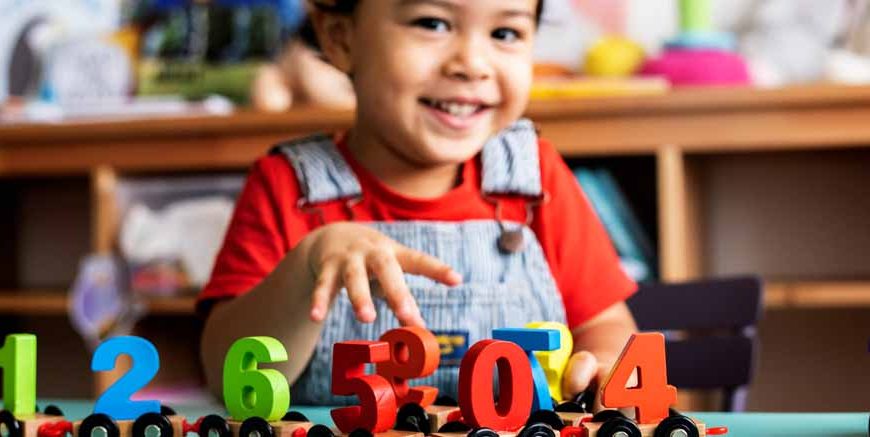
When you explore the benefits of preschool, you notice that learning happens through stories, conversations, music, movement, and play. Children begin to recognise patterns, follow routines, understand instructions, and express thoughts clearly. Teachers guide rather than command. They observe behaviour, encourage curiosity, and gently correct without judgement.
Preschool also introduces children to learning beyond family boundaries. Children learn that different people think differently, react differently, and communicate differently. This exposure builds adaptability and emotional awareness, which matter as much as academic skills later in life.
Preschool education did not begin as a modern trend. Its roots trace back to the nineteenth century when educators recognised that learning begins long before formal schooling. Friedrich Froebel introduced the concept of kindergarten, meaning a garden for children, where young minds could grow naturally through guided play.
Over time, research in child psychology and neuroscience confirmed what educators observed. Early experiences shape brain development, emotional regulation, and learning capacity. As societies evolved, preschool education shifted from informal care to structured programmes that support holistic development.
Today, preschool stands as the foundation of lifelong learning. It focuses not on early academic pressure but on readiness, confidence, and curiosity. This evolution explains why parents now actively explore the benefits of preschool education instead of viewing early schooling as optional.
Read More – The Importance and Benefits of Preschool Education
Key Developmental Benefits of Preschool Education
One of the strongest benefits of preschool education lies in balanced development. Children do not simply memorise facts. They learn how to learn. Through guided activities, they improve attention span, listening skills, and memory. They learn to ask questions and wait for answers.
Preschool also builds emotional resilience. Children experience small challenges, such as sharing toys or following routines. These experiences teach patience, empathy, and self control. Teachers help children name emotions, understand feelings, and express themselves safely.
Confidence grows naturally when children feel understood and supported. Completing tasks independently, participating in group activities, and receiving encouragement strengthens self belief. These qualities prepare children not only for school but for social life as well.
Social Growth and Emotional Intelligence
Home provides comfort and security. Preschool adds social learning. One of the most discussed benefits of preschool vs staying home relates to peer interaction. In preschool, children meet peers from different backgrounds. They learn cooperation, compromise, and communication through shared experiences.
Children learn how to take turns, respect boundaries, and resolve small conflicts. These interactions develop emotional intelligence. Teachers guide children gently, helping them recognise emotions in themselves and others.
While home learning supports individual bonding, preschool introduces collective responsibility. Children understand that they belong to a group. This sense of belonging supports emotional stability and reduces anxiety during later school transitions.
Read More – Pros and Cons of Preschool Education
Cognitive and Language Development
Language development accelerates rapidly during early childhood. Preschool environments expose children to rich vocabulary through stories, discussions, and songs. Children learn how to form sentences, express ideas, and listen actively.
The benefits of preschool education include improved comprehension and expression. Children begin connecting words to meaning and experiences. Teachers encourage questions, storytelling, and explanation rather than rote answers.
Cognitive skills also develop through problem solving activities. Sorting objects, recognising patterns, and following instructions build early numeracy and reasoning abilities. These skills form the foundation for academic readiness without formal pressure.
Preschool vs Staying Home
Parents often compare the benefits of preschool vs staying home to make the best decision. Staying home offers familiarity and personalised attention. Preschool adds structure, social exposure, and guided learning.
At home, children may interact with fewer peers and experience limited routine variation. Preschool introduces new environments, expectations, and relationships. This exposure strengthens adaptability and emotional regulation.
Preschool does not replace parental involvement. Instead, it supports families by offering experiences that are difficult to replicate consistently at home. The comparison becomes meaningful when viewed as complementary rather than competitive.
Read More – Proven Teaching Strategies for Preschool Teachers
How to Choose the Right Preschool Near You
Searching for a preschool near me often begins with location. While proximity matters, quality matters more. Parents should look for environments that prioritise safety, trained educators, and age appropriate learning.
Observe how teachers interact with children. Notice whether learning feels calm and engaging rather than rushed. Ask about routines, communication with parents, and emotional support strategies. A good preschool respects individuality while encouraging group participation. It communicates openly with parents and values emotional development as much as cognitive progress.
Long Term Impact of Preschool Education
Research consistently links early education with better academic outcomes, social skills, and adaptability. The benefits of preschool extend into later schooling through improved confidence, classroom readiness, and learning engagement.
Children who attend preschool often adjust better to structured education. They understand routines, listen actively, and express needs clearly. These abilities reduce stress during school transitions and improve overall learning experiences. Preschool education builds a mindset rather than knowledge alone. This mindset supports lifelong curiosity and resilience.
Learning at EuroKids
EuroKids approaches preschool education with care, intention, and understanding of child development. Learning environments encourage exploration, communication, and emotional growth through structured yet flexible routines. EuroKids follows the Heureka Curriculum, which supports conceptual understanding through experiential learning aligned with early childhood development needs.
Conclusion
Choosing preschool education marks an important milestone in your child’s journey. Understanding the benefits of preschool education helps you make this decision with clarity and confidence. Preschool supports social growth, emotional intelligence, and learning readiness in ways that complement home learning.
Parents exploring EuroKids Admission can find programmes designed to nurture curiosity, confidence, and capability from the very beginning. For continued guidance, the EuroKids Blog offers insights that support informed parenting decisions and early learning understanding. Your child’s first learning environment shapes how they view education for years to come. Choosing thoughtfully today builds confidence for tomorrow.
Frequently Asked Questions
1. What are the main benefits of preschool education for children
Preschool education supports emotional, social, cognitive, and language development during early childhood.
2. At what age should parents consider preschool education
Most children benefit from preschool between two and six years, depending on readiness and environment.
3. How does preschool compare with staying at home
The benefits of preschool vs staying home include social exposure, routine development, and guided learning experiences.
4. How do parents find the right preschool near me
Look beyond location and focus on curriculum quality, teacher interaction, safety, and communication.
5. Does preschool education help with school readiness
Yes. Preschool builds confidence, listening skills, and adaptability needed for formal schooling.