Mornings with a young toddler often feel like a highly delicate balancing act. You hand them the wrong coloured plastic cup at breakfast. Or perhaps you simply announce that it is time to put a winter coat on. Instantly, a perfectly calm living room dissolves into loud tears. Many parents view these intense emotional reactions as simple defiance.
Some just call it a difficult developmental phase that they have to suffer through. Early childhood psychology, however, reveals a completely different reality behind the crying. These sudden bursts of frustration are usually a direct, desperate plea for daily order.
During the first two years of life, a child processes a massive amount of new sensory data every single hour. They are touching cold windows, tasting new foods, hearing loud sirens, and learning how to walk. Without a reliable daily structure, this constant flood of fresh information becomes highly stressful for their tiny bodies.
Establishing a routine that 18 to 24-month-old toddlers can depend on is the absolute foundation of early emotional security. It provides the exact predictability they need to confidently explore their surroundings, test their physical limits, and practice new vocabulary without fear.
We live in a world that is constantly rushing children towards academics. We see parents buying flashcards for babies who cannot even walk yet. But we need to pause and begin with what actually matters most during the first two years of life. We need to focus on building confidence in their bodily abilities.
We want to spark a deep curiosity for fear-free explorations. We must build their vocabulary for basic communication. Above all, we want to raise happy little humans. Let us look closely at the biological science behind why daily structure is vital, the behavioural costs of a chaotic schedule, and how a carefully designed learning environment builds incredibly secure children.
The Science of Feeling Safe
A toddler’s brain develops at a staggering, unbelievable pace. Every single day, millions of neural connections form as they process new sights, sounds, and physical sensations. However, this high volume of sensory input can quickly overwhelm a developing nervous system. To manage this heavy intake, the human brain constantly seeks out familiar, repeating patterns.
When a child knows exactly what is going to happen next, their nervous system remains completely calm. Knowing that putting on their shoes always means a trip to the local park means they do not have to expend mental energy bracing for the unknown. Knowing that washing their hands always precedes a warm meal gives them a sense of control. This predictability physically lowers their cortisol levels. Cortisol is the primary hormone associated with human stress.
Lower stress levels create the absolute optimal environment for natural learning. When a child feels completely secure in their daily sequence, they feel brave enough to step away from your leg. They will happily engage with a new wooden puzzle. They will attempt to say a brand new word they heard you use yesterday. The daily routine serves as a highly secure base from which they can safely explore the wild world around them.
Understanding Emotional Security
Emotional security is the absolute bedrock of a happy, memorable childhood. It develops slowly when a child trusts that their basic needs will be met consistently by the adults around them. For a child aged eighteen and twenty-four months, time is a totally abstract concept. They do not understand wall clocks, hours, or minutes. Instead, they measure time entirely through physical events.
Breakfast happens first. Then playtime happens. Then a nap happens. This simple sequence acts as their internal body clock. When this sequence remains stable every single day, the child learns to deeply trust their home environment. They learn that feeling hungry is soon followed by a tasty meal. They learn that feeling tired is soon followed by rest in a dark, quiet room. This built-in trust completely prevents the chronic anxiety that often plagues children living in highly unstructured homes.
A secure child displays distinct, positive behaviours that make parenting much easier. They are generally much more cooperative when you ask them to do something. They settle into independent play on the rug much more readily. They also recover from minor frustrations much faster. They know that even when their favourite block tower falls over, the larger structure of their day remains completely intact and safe.
Why Meltdowns Happen
Parents often struggle heavily to understand sudden, dramatic shifts in their child’s behaviour. Mothers and fathers who sit exhausted on the sofa asking why does my toddler have meltdowns over seemingly trivial matters usually find the answer hidden in the structure of the child’s day.
It is incredibly important to distinguish between a standard temper tantrum and a full sensory meltdown. A tantrum is a goal-oriented behaviour. A child wants a specific sweet treat from the kitchen, and they express loud anger when you say no. A meltdown is entirely different. It is a complete sensory and emotional system overload. The child is not trying to manipulate a situation to get their way. Their neurological system has simply reached its absolute physical limit.
Meltdowns frequently occur when three specific factors combine. These factors are fatigue, hunger, and unpredictability. Whenever a child misses their usual afternoon rest period, their blood sugar is low from missing a snack, and they are suddenly hurried into a noisy environment, a meltdown is highly likely. The brain can no longer process the incoming stimuli. The loud crying is simply an uncontrollable physical release of built-up tension.
When a solid routine is absent, these three triggers become a daily occurrence in your house. The child never quite knows when they will eat or rest, keeping their nervous system on high alert. This constant vigilance drains their physical energy rapidly. This leads to frequent crying spells, intense clinginess to your legs, and a general inability to self-soothe when things go slightly wrong.
Managing Daily Transitions
Transitioning from one activity to another is notoriously difficult for young children. Moving from highly engaging play with their toys to a necessary task, such as bathing or sleeping, requires sophisticated self-regulation. This is the ability to manage personal emotions and adapt behaviour to the demands of the situation. Most toddlers simply do not have this skill yet.
A predictable daily rhythm smooths out these difficult transitions beautifully. When events happen in the exact same order every single day, the transition itself becomes an expected part of the sequence. Caregivers can strengthen these transitions by introducing consistent auditory cues. A specific song sung during cleanup time acts as a clear signal. A particular picture book read right before a nap acts as an undeniable cue that sleep is coming.
These gentle signals give the child a few crucial moments to mentally prepare for the shift. They are not caught completely off guard by you suddenly scooping them up. By the time the blocks are put away in the box, the child has already accepted that mealtime is beginning. This significantly reduces the friction, resistance, and tears that usually accompany a sudden change of plans.
How to Create a Daily Routine
Understanding the clinical importance of structure is only the first step. The practical challenge involves figuring out how to build routine for toddler development without becoming overly rigid or stressed out yourself. A successful routine is a dependable rhythm. It is not a strict military schedule where every minute is tracked.
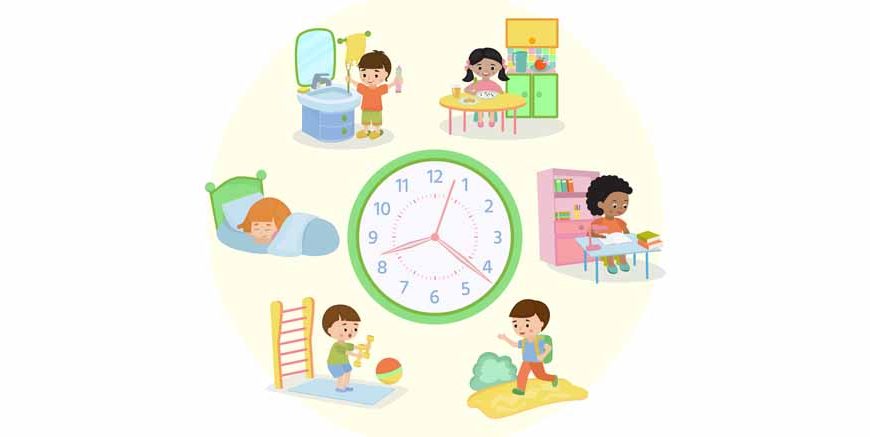
For parents looking to establish a healthy flow at home, the focus should remain on biological anchors rather than exact clock times. Here is a highly practical breakdown of how to structure the day for your little one:
- Anchor the morning wakeup: Begin with a consistent wake-up window. Open the curtains wide to let natural sunlight in. This light helps regulate their internal body clock. Follow this immediately with a healthy breakfast to address their overnight hunger.
- Plan focused morning activity: Once the biological needs of sleep and hunger are addressed, the child is ready for focused activity. Their energy is high, and their mind is alert. This is the ideal time for structured play, outdoor exploration in the garden, or interactive reading together on the floor.
- Create a midday calming transition: As the morning progresses, sensory fatigue naturally begins to build. Implement a calming transition around midday. Dim the lights slightly, lower the household noise, and serve a nutritious lunch.
- Protect the afternoon nap: The midday nap is a critical biological anchor. Do not skip it. It allows the brain to process the morning’s learning and allows the physical body to recover its energy for the rest of the day.
- Establish a strict evening wind-down: The late afternoon is often the most challenging part of the day as patience runs incredibly thin. Keep activities low-stress. Following dinner, initiate the bedtime sequence. This sequence must remain identical every single night. A warm bath, fresh pyjamas, and a quiet story signal to the brain that the day is officially concluding.
The Real Cost of Unpredictability
When these biological anchors are ignored, the impact on the child is immediate and highly visible to everyone around them. Children without a consistent rhythm often display clear signs of chronic sleep deprivation. Because their bodies do not receive consistent signals indicating when to wind down, they fight sleep aggressively at night. Night awakenings become frequent, and morning moods become terribly irritable.
Furthermore, a lack of routine severely impacts a child’s natural eating habits. When meals and snacks occur at random times, a child may refuse to eat during main meals. They will prefer to graze on small snacks throughout the day instead. This constant grazing completely disrupts their natural appetite and frequently leads to poor nutritional intake.
Socially, unpredictable environments breed heavy hesitation. A child who is unsure of their surroundings will cling tightly to their primary caregiver. They are much less likely to interact with peers or explore new learning materials in a playgroup setting. Their mental energy is entirely consumed by monitoring their environment for the next unexpected change, leaving zero capacity for curiosity or active play.
The Junior PlayGroup Approach
Replicating a perfectly balanced, predictable environment at home is highly challenging for modern working parents. Life gets busy, and schedules naturally slip. This is exactly where professional early childhood environments provide immense value. The Junior PlayGroup is meticulously engineered to offer exactly the structure, safety, and stimulation that children aged eighteen to twenty-four months desperately require.
EuroKids preschool focuses entirely on specialised learning experiences. Through our carefully crafted Heureka Curriculum, learning is integrated naturally into the daily rhythm. There is no forced academic pressure here. Instead, the environment is rich with curated toys and equipment designed specifically for this exact age group. The structured day allows children to move seamlessly between active gross motor play and quiet fine motor activities. This ensures their developmental needs are met without ever causing sensory overload.
Emotional security is completely impossible without physical safety. Children must be free to move, fall, and explore without constant adult restriction or fear of injury. Our safe spaces are a top priority. Our centres are completely TUV NORD Safety certified. Every single aspect of the physical environment has been rigorously tested and standardised.
Furthermore, each teacher is certified on comprehensive safety protocols. This high standard of physical safety allows the children to explore fearlessly and allows parents to step away with total peace of mind. Guiding a toddler through a structured day requires deep expertise and immense patience. Our specialised teachers are Early Childhood certified. They understand the subtle nuances of toddler behaviour better than anyone.
They know exactly how to spot the early signs of sensory fatigue and how to gently guide a child through a difficult transition. Crucially, we maintain a strict 1:6 Teacher-child ratio. This ensures that every single child receives the individual attention, warm eye contact, and verbal interaction they desperately need to build a robust vocabulary and develop secure attachments outside the home. These early childhood experts are the heart of our predictable, loving environment.
Fostering True Independence
One of the most counterintuitive benefits of a strict routine is the massive independence it creates in a young child. When a child knows the boundaries and the sequence of their day, they feel highly empowered to take ownership of their own actions. They know exactly where the wooden toys belong on the shelf. They know when it is time to sit at the small table. They know how to wash their hands before a snack arrives.
This predictability allows them to practice vital life skills on their own. They are not sitting around waiting for an adult to dictate every single physical movement. They begin to anticipate the next step in the routine and actively participate in it. This active participation builds immense self-esteem. A child who can confidently move through their daily schedule is a child who views themselves as highly capable and competent.
Conclusion
The early years of a child’s life represent a critical, fleeting window for establishing the firm foundations of emotional regulation, physical confidence, and joyful learning. While society often pushes heavily for accelerated academic milestones, the true priority must always be creating an environment where a child feels entirely safe, understood, and regulated.
A predictable daily routine is the invisible architecture that strongly supports this massive physical and mental growth. It transforms a chaotic, noisy world into a logical, comforting rhythm. By prioritising biological anchors, managing daily transitions carefully, and choosing learning environments that truly honour these developmental truths, we raise children who are secure, curious, and deeply resilient.
A well-rested, secure child is ready to conquer the world, one tiny step at a time. To provide your toddler with an environment designed specifically for their unique developmental needs, explore the EuroKids Junior PlayGroup program page. Backed by the specialised Heureka curriculum, our centres offer the perfect foundation for fear-free exploration and joyful growth. Admissions are now open, so secure their spot today and give your little one the brightest possible start.
Explore Our Other Programs
FAQs
How strict does a daily routine need to be for a one-year-old?
A routine should always serve as a predictable rhythm rather than a rigid timetable. Focus entirely on keeping the sequence of events the same and anchoring meals and sleep at roughly consistent times, allowing for natural flexibility of up to thirty minutes either way.
What is the best way to handle a routine disruption during family travel?
When travelling, try to maintain the familiar sequence of events even when the exact timings shift due to time zones. Bringing familiar items from home, such as a specific sleep sack or a favourite storybook, provides comforting continuity in a completely new environment.
How long will it take for my child to adapt to a brand new daily schedule?
Children thrive heavily on daily repetition. By applying a new daily structure with absolute consistency, most toddlers will easily adapt and begin showing improved emotional regulation and much smoother transitions within seven to fourteen days.