A small, quiet act of kindness holds an incredible amount of power. When an honest person tries their absolute hardest but still completely struggles to make ends meet, a tiny bit of unexpected help can turn their entire situation around. Classic folklore frequently uses magical, hidden creatures to teach young minds about the very real, practical concepts of hard work, gratitude, and looking after your community.
Instead of sitting children down and strictly lecturing them about remembering to say thank you, we tell them captivating tales. Let us look closely at a timeless favourite that perfectly captures the beautiful joy of secretly helping others and the absolute importance of returning a favour.
The Elves and the Shoemaker story
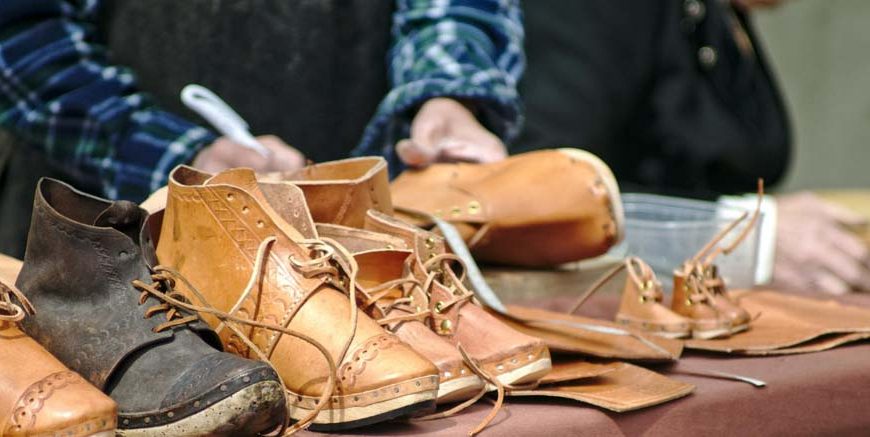
The classic telling of the elves and the shoemaker story begins in a cold, dusty little workshop. An old, incredibly hardworking shoemaker and his kind wife had fallen on very hard times. Through no fault of his own, the man had grown so terribly poor that he only had enough leather left in his shop to make one single pair of shoes.
Late one evening, he carefully cut out the thick, brown leather shapes, leaving them neatly on his wooden workbench so he could sew them together first thing in the morning. He went upstairs, ate a tiny supper, and went to sleep with a heavy heart. However, when the golden sun rose the next morning, he walked into his shop and stopped dead in his tracks. Sitting proudly on the bench was a completely finished pair of shoes.
He picked them up and closely inspected the work. The tiny, neat stitches were absolutely flawless. There was not a single mistake anywhere. Soon after, a wealthy customer walked into the shop, saw the beautiful shoes, and willingly paid a very high price for them. With that unexpected money, the shoemaker rushed to the market and bought enough fresh leather to cut out two completely new pairs of shoes.
He left the cut leather on the bench again that night. The very next morning, he found two flawless pairs of shoes waiting for him. This incredible pattern repeated itself for months. The man would cut the leather, and the unseen midnight helpers would meticulously stitch them. Soon, the couple became highly successful and very comfortable.
Read More – Bedtime Stories for Kids
The Elves and the Shoemaker summary
If a child asks you what actually happened next, you need to be able to explain the plot simply. A good the elves and the shoemaker summary involves breaking down the narrative arc into a clear lesson about gratitude.
As winter rapidly approached, the shoemaker and his wife decided they desperately needed to know exactly who was helping them every single night. They left a candle burning, hid quietly behind some heavy winter coats in the corner of the room, and waited. Exactly at midnight, two tiny, completely naked elves darted through the window. They scrambled up the table and began furiously stitching and hammering the leather with their tiny hands.
The wife felt a deep wave of sympathy. She noticed that while these tiny creatures were making them incredibly rich, the elves themselves were freezing cold and had absolutely no clothes to wear. To show her massive gratitude, she spent the entire next day sewing tiny, warm trousers, beautiful little shirts, and knitting soft woollen socks. The shoemaker crafted two miniature pairs of leather boots. That evening, instead of leaving rough leather on the bench, they left the beautiful new clothes.
When the elves arrived at midnight, they were overjoyed. They quickly dressed in their warm new outfits, danced happily around the workshop, and skipped completely out of the door. They never returned, but the shoemaker and his wife continued to deeply prosper for the absolute rest of their long lives.
The Deep Moral Hidden in the Elves and the Shoemaker
Children are highly observant, and they absorb lessons directly from the actions of the characters. The true moral shining loudly through the elves and the shoemaker is a beautiful, two-way street of kindness.
Firstly, it teaches children about the quiet dignity of hard work. The shoemaker did not just sit back and lazily wait for magic to happen. He still worked hard every single day, precisely cutting the leather and preparing his workbench. The elves only stepped in to finish the job he had already started. You can easily explain this to a child with a daily example: if you actively try your best to clean up your messy bedroom but get completely stuck with the heavy toy box, a parent or older sibling will happily step in to help you finish the difficult job.
Secondly, and far more importantly, the story strictly focuses on gratitude and observation. The shoemaker and his wife did not just greedily accept the free labour and demand more. They actively noticed that their secret helpers were shivering and cold. They correctly recognised that when someone helps you out of a highly difficult situation, you have a strict moral duty to pay that kindness forward. The wife used her own skills to sew tiny shirts, proving that showing gratitude is an active, physical choice, not just a casually spoken word.
Read More – Short Moral Stories For Kids
Conclusion
Teaching young, developing minds about empathy, hard work, and gratitude completely transforms how they naturally interact with their siblings, their friends, and their classroom environment. This timeless folk tale successfully strips away complicated adult lectures and replaces them with a highly memorable, visual lesson about hidden kindness. It is genuinely thought-provoking to realise that the purest, most beautiful form of giving requires absolutely no public recognition.
The magical elves did not loudly demand a reward for their perfect stitching, and the thankful couple did not ask for anything in return when they lovingly crafted the tiny winter clothes. It was a perfect, silent circle of giving that left absolutely everyone happier and significantly warmer. By regularly reading stories that champion this quiet generosity, we actively raise a generation of highly observant, empathetic children who always remember to say thank you. To discover more fantastic stories, practical parenting strategies, and engaging ways to fuel your child’s daily development, explore the EuroKids Blog and start their exciting educational journey today through EuroKids Preschool Admission.
FAQs
What is the main lesson a child should learn from this specific story?
The absolute main lesson is that you should always be deeply thankful for the unexpected help you receive from others, and you should always actively try to find a way to return that kindness to show your appreciation.
Why did the magical elves stop coming back to the shop?
In traditional folklore, once magical creatures are presented with a direct gift of clothing, they are essentially freed from their specific tasks. They left because they were finally warm, happy, and entirely satisfied with the couple’s beautiful gesture of gratitude.
Is this a good bedtime story for toddlers?
Yes, it is an absolutely fantastic bedtime story for young children because it has a highly predictable, comforting rhythm, a very happy ending, and zero frightening monsters or scary villains to cause bad dreams.