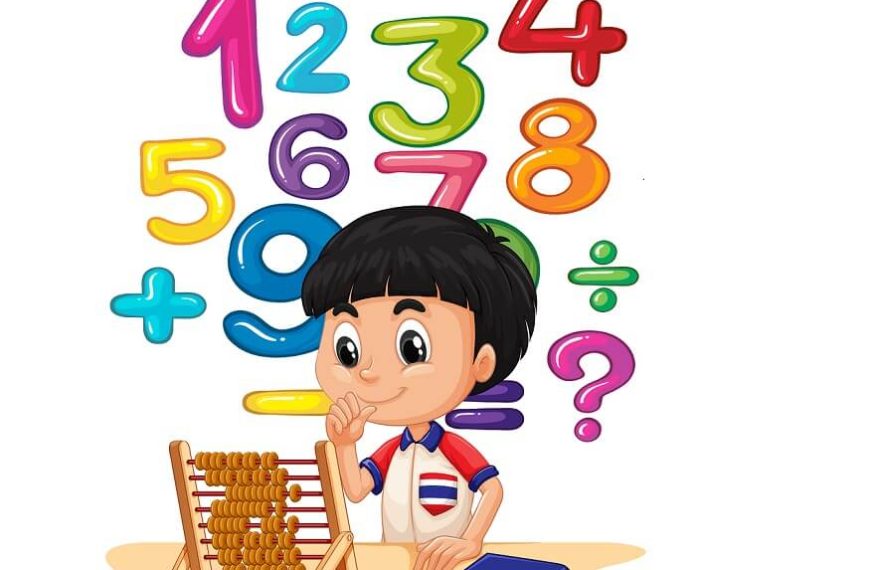
Mathematics is an important part of a child’s early learning journey. Before children begin solving big maths problems, they first learn simple concepts like counting, addition, and subtraction. Among these, subtraction helps children understand how numbers decrease when something is taken away.
Teaching kids subtraction in a fun, simple way helps build strong maths confidence from an early age. Indian parents and teachers today also focus on helping children develop problem-solving skills that prepare them for a global learning environment.
In this article, we will explore easy subtraction methods, fun activities, practical examples, and useful tips for teaching subtraction to preschoolers and young children.
What Is Subtraction?
Subtraction means taking away one number from another.
For example:
If a child has 5 chocolates and eats 2 chocolates, how many are left?
5 − 2 = 3
So, 3 chocolates are left.
Subtraction helps children understand concepts like:
- Taking away
- Removing
- Less than
- Difference between numbers
Read More Importance of Math in Everyday Life
Why Is Subtraction Important for Kids?
Learning subtraction helps children in many ways.
Builds Maths Confidence
Children become comfortable working with numbers.
Improves Problem-Solving Skills
Subtraction encourages logical thinking.
Helps in Daily Life
Children use subtraction while shopping, sharing, and counting objects.
Supports Advanced Maths Learning
Subtraction forms the basis for multiplication, division, and later algebra.
When Should Children Learn Subtraction?
Most preschoolers can begin learning simple subtraction after they understand counting.
Preschool Age
Children can learn subtraction using toys and objects.
Kindergarten
Kids begin solving simple subtraction sums.
Early Primary School
Children learn written subtraction and word problems.
Every child learns at a different pace, so patience and encouragement are important.
Easy Ways to Teach Subtraction for Kids
Young children learn best through visual and hands-on activities.
Use Everyday Objects
Use fruits, toys, pencils, or blocks.
Example:
- 5 apples on a table
- Remove 2 apples
- Count the remaining apples
This makes subtraction easier to understand.
Read More Learning Math with Everyday Objects
Teach Subtraction Using Fingers
Finger counting is one of the simplest methods for preschoolers.
Example
Hold up 5 fingers.
Ask the child to fold down 2 fingers.
Count the remaining fingers.
5 − 2 = 3
This method helps children visualise subtraction clearly.
Understanding the Minus Sign
Children should learn the subtraction symbol early.
Minus Sign
The subtraction sign looks like this:
−
Example:
7 − 4 = 3
It means “take away.”
Simple Subtraction Examples for Preschoolers
Children learn faster through simple examples.
Example 1
5 balloons − 2 balloons = 3 balloons
Example 2
8 candies − 3 candies = 5 candies
Example 3
10 pencils − 4 pencils = 6 pencils
These examples help children connect maths with real life.
Read More Fun Math Activities for Kids
Fun Activities for Subtraction for Kids
Learning becomes easier when children enjoy the process.
Toy Subtraction Game
Use toys or blocks for subtraction practice.
Snack Time Maths
Use biscuits or fruits for counting and subtraction.
Flashcards
Create subtraction flashcards with pictures.
Story-Based Subtraction
Tell simple stories using subtraction sums.
Example:
“There were 6 birds on a tree. 2 birds flew away. How many birds are left?”
Addition and Subtraction for Kids
Children often learn addition and subtraction for kids together because the concepts are connected.
Addition Means Putting Together
3 + 2 = 5
Subtraction Means Taking Away
5 − 2 = 3
Teaching both together helps children understand how numbers work.
Using Number Lines for Subtraction
A number line is a helpful learning tool.
Example
Subtract 3 from 8.
Start at 8 and move backward 3 steps.
8 → 7 → 6 → 5
Answer:
8 − 3 = 5
Number lines improve counting and number recognition skills.
Importance of Visual Learning
Preschoolers learn best when they can see and touch objects.
Benefits of Visual Learning
- Makes maths less scary
- Improves understanding
- Builds confidence
- Keeps children interested
Parents and teachers should use colourful and interactive materials whenever possible.
Subtraction Through Real-Life Situations
Children understand subtraction better through daily activities.
Shopping
“If we buy 2 chocolates from 5 chocolates, how many are left?”
Sharing Toys
“If 3 toys are given away from 7 toys, how many remain?”
Classroom Activities
Teachers often use classroom objects for subtraction games.
These situations help children see how subtraction is used in everyday life.
Common Mistakes Children Make in Subtraction
Young learners may make small errors while learning subtraction.
Counting Incorrectly
Children may skip numbers while counting backwards.
Confusing Addition and Subtraction
Practice helps children understand the difference.
Forgetting to Count Remaining Objects
Encourage slow and careful counting.
Parents should gently guide children without pressure.
Tips for Parents to Teach Subtraction
Parents play a very important role in early maths learning.
Keep Learning Fun
Use games, songs, and stories.
Practice Daily
Short practice sessions work best.
Encourage Questions
Allow children to ask and explore.
Praise Effort
Celebrate small successes to build confidence.
How Indian Parents Can Prepare Children for Global Learning
Today’s children are growing up in a competitive and connected world. Strong early maths skills help children succeed internationally.
Teaching subtraction for kids through practical and interactive methods improves:
- Logical thinking
- Problem-solving skills
- Confidence in maths
- Classroom participation
These skills are useful in Indian schools and global education systems alike.
Read More How to Introduce Maths to Your Kids
Simple Subtraction Worksheets Ideas
Parents and teachers can create easy worksheets at home.
Count and Subtract
Draw 5 stars and cross out 2.
Circle the Correct Answer
7 − 3 = ?
- 2
- 4
- 5
Match Objects to Numbers
Use pictures and counting activities.
Worksheets make learning organised and engaging.
Easy Subtraction Practice Questions
Here are some beginner-friendly questions.
Question 1
5 − 1 = ?
Answer: 4
Question 2
8 − 2 = ?
Answer: 6
Question 3
10 − 5 = ?
Answer: 5
These exercises improve confidence gradually.
Benefits of Learning Subtraction Early
Teaching subtraction at an early age has long-term benefits.
Strengthens Number Sense
Children understand how numbers relate to each other.
Builds Analytical Skills
Subtraction develops logical thinking.
Supports Academic Success
Strong maths foundations help children later in school.
Encourages Independent Thinking
Children learn to solve simple problems on their own.
How EuroKids Builds Strong Math Foundations
When mathematics is introduced through storytelling, real-life objects, and engaging hands-on activities, young learners understand concepts like addition and sums more naturally. This is why structured early education programs prioritise activity-based learning over rote methods.
At EuroKids, foundational math concepts are taught using playful learning materials, visual tools, and interactive number-based activities aligned with the HEUREKA curriculum. This approach ensures children experience math in a way that feels enjoyable and meaningful.
Ideas such as addition and understanding sums are reinforced through relatable, everyday situations so that children truly comprehend the concept rather than simply memorising it. With a child-focused, play-driven methodology refined over 20+ years and implemented across 1600+ preschools, EuroKids emphasises building confidence first, allowing speed and accuracy to develop gradually.
Fun Subtraction Games for Kids
Interactive games make maths enjoyable.
Dice Games
Roll the dice and subtract smaller numbers from bigger ones.
Board Games
Use counting and subtraction during play.
Online Learning Apps
Educational apps make subtraction colourful and engaging.
Outdoor Counting Games
Use balls, stones, or leaves for subtraction practice.
Quick Summary
- Subtraction for kids means taking away numbers.
- Children learn subtraction best through games and visual activities.
- Addition and subtraction for kids are often taught together.
- Real-life examples make subtraction easier to understand.
- Early subtraction skills help children build confidence in maths.
Conclusion
Subtraction is one of the most important early maths concepts for preschoolers and young children. Teaching kids subtraction through fun activities, stories, and hands-on learning helps them understand numbers naturally and confidently.
For Indian parents and children preparing for a global future, strong early maths skills provide an excellent foundation for academic success and problem-solving. With patience, encouragement, and playful learning methods, subtraction can become an enjoyable and rewarding experience for every child.
To explore more learning ideas, simple explanations, and early childhood resources, parents can visit the EuroKids Blog. Those who wish to understand the preschool journey better or explore enrolment options can find complete information on the EuroKids Preschool Admission
Page, where learning is joyful, engaging, and child-friendly.