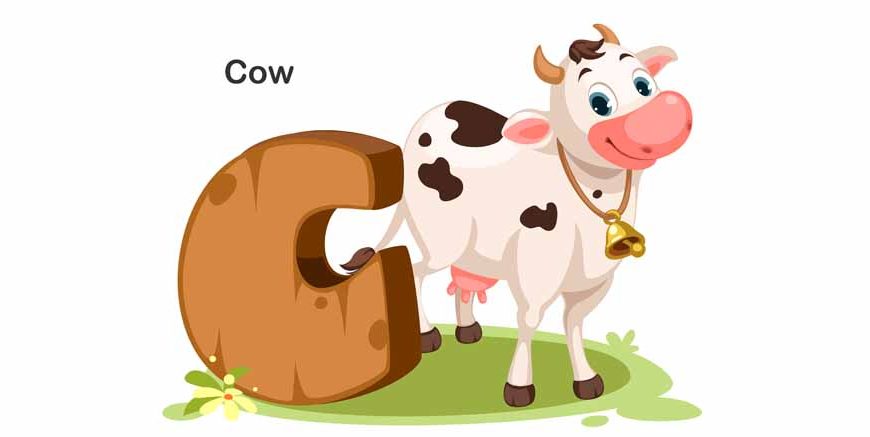
“Moo!” is often one of the very first animal sounds a toddler learns to make. Long before children step into a formal classroom, they recognize this gentle, four-legged friend from their favorite picture books, cartoons, and nursery rhymes. When children begin primary school, learning how to describe familiar everyday animals is a wonderful way to practice their newly developing writing skills.
If your child has been asked to write an essay on cow, it is a fantastic opportunity to help them observe nature and put their thoughts into simple, structured words. Today, we will explore everything you need to know about cow for kids and provide clear, easy-to-read examples that will help your young students finish their homework with absolute confidence.
Understanding the Basics: About Cow for Kids
Before a child can write about an animal, they need to understand what it looks like and how it behaves. When discussing this topic at home, keep the details highly visual and easy to grasp.
Cows are large domestic animals, which means they live peacefully alongside humans on farms rather than hiding deep in the wild jungle. They have a heavy body, four strong legs to stand in the fields all day, two ears, and a long tail that acts like a built-in fly swatter! Some have two horns on their heads. They come in many beautiful patterns and colors, including solid black, bright white, soft brown, or even a mix of funny spots. They are strict vegetarians, spending hours every single day slowly chewing on green grass, leaves, and dried hay.
Read More – Domestic Animal Names in English for Kids
The Cow Essay in English for Class 1
For young students in the first grade, sentences need to be kept relatively short, direct, and easy to spell. Breaking the information down into numbered points helps them memorize the facts without feeling overwhelmed.
Here is a perfect example of a cow essay in english for class 1 that your little one can easily write in their notebook:
- The cow is a very gentle domestic animal.
- It has four legs, two ears, two horns, and a long tail.
- Cows love to eat fresh green grass and dry hay.
- They live in a safe, warm shelter called a shed.
- The cow gives us healthy milk to drink every day.
- Baby cows are called calves, and they are very playful.
- We make yummy butter, cheese, and curd from cow milk.
- The cow is a very useful animal, and we should treat it with kindness.
How to Write a Paragraph on Cow
Sometimes, teachers prefer that students write their thoughts in a continuous block of text rather than using numbered lists. This teaches children how to connect their ideas smoothly. If the school assignment asks your child to write a paragraph on cow, you can help them blend those basic facts into a short, sweet story.
Example Paragraph:
The cow is a domestic animal that is very helpful to humans. It has a large body with four legs, a long tail, and two horns. Cows are herbivores, meaning they only eat plants like green grass and hay. We build cozy sheds on farms to keep them safe from the rain and cold. The most important thing about the cow is that it gives us fresh milk, which keeps our bones very strong. It is a gentle creature, and we must always care for it properly.
Read More – Farm Animal Names In English For Kids
Quick Facts: 5 Sentences About Cow
For quick spelling tests, oral exams, or short homework assignments, children might just need to provide the absolute basic highlights. Here are 5 sentences about cow that are incredibly easy for a six-year-old to remember and recite:
- The cow is a useful farm animal.
- It eats green grass and drinks lots of water.
- It gives us fresh milk to make cheese and butter.
- A cow has a big body and a long tail to chase away bugs.
- The sound a cow makes is called a “moo.”
Why Are Cows So Important to Us?
To help your child understand why they are writing this essay in the first place, it helps to explain the value of the animal. Cows do a lot more than just stand in a field. The milk they provide is the base ingredient for so many foods children love, including sweet ice cream, creamy yogurt, and the cheese on their favorite pizza. In many villages and farms, they also help farmers by providing natural manure, which makes the soil healthy so we can grow fresh fruits and vegetables.
Read More – Fascinating Farm Animal Facts for Kids
Conclusion
To sum up our writing lesson, describing a familiar animal is a brilliant stepping stone for early childhood education. Whether your child is writing a long list of facts or just a few short sentences, practicing these basic vocabulary words helps them build a strong foundation in the English language.
As you help your child read through these simple essays, it leaves you with a beautiful, thought-provoking realization. Every single glass of milk on our breakfast table and every slice of cheese in our lunchbox is a direct gift from this gentle giant. Teaching children to write about cows is not just a standard grammar lesson; it is an early lesson in gratitude, showing them how deeply our daily human lives are connected to the quiet, hardworking animals of the natural world. To read more fun and educational articles, check out the EuroKids Blog, and visit our website for details on EuroKids Preschool Admission.
FAQs
What do we call the baby of a cow?
A baby cow is called a calf. They are born with their eyes wide open and can usually stand up and walk just a few minutes after they are born!
Why do cows chew their food for such a long time?
Cows have a special stomach with four different rooms. They swallow their food quickly, and later bring it back up to chew it again slowly so their bodies can digest the tough grass properly. This is called “chewing the cud.”
Where do cows sleep at night?
On a farm, farmers build special, safe houses for them called sheds or barns to protect them from bad weather and wild animals.
Do all cows have big horns?
No, not all of them do! Some specific breeds of cows naturally grow long horns, while others are born completely without them.