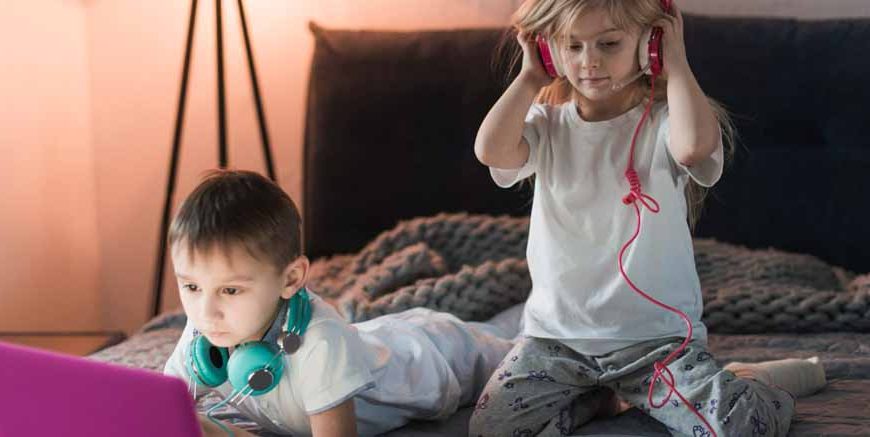
A toddler refuses to finish lunch without a cartoon playing on a smartphone, while an anxious parent wonders if another twenty minutes of digital animation will harm their child’s speech development. This daily struggle plays out across thousands of living rooms every afternoon. Parents want a moment of peace to complete household chores or attend an office call, yet every swipe of the tablet brings a lingering feeling of unease. You know that technology forms an integral part of modern living, but you also see how difficult it becomes to pull your little one away from the bright glare of digital displays.
Finding an equilibrium between digital media and hands-on early education is one of the most pressing responsibilities for modern parents. The debate is no longer about banishing technology entirely. Instead, you need to understand how digital devices impact early neural wiring, why physical classrooms build foundational life skills, and how to establish a practical routine that protects your child’s natural curiosity.
Defining Healthy Screen Time in Early Childhood.
Digital exposure is not a single, uniform activity. There is a vast difference between leaving a three-year-old alone with an autoplaying video feed and sitting together to watch a gentle wildlife documentary. When digital media is interactive, intentional, and shared with an adult, it can introduce new vocabulary or show your toddler animals they cannot see in daily life.
The trouble begins when digital devices become a default pacifier for boredom, restlessness, or mealtime battles. Child development specialists recommend that toddlers aged 2 to 5 years consume no more than 60 minutes of supervised digital media per day. When you choose to introduce digital media, you should watch it with your child. Talk about the colours on screen, ask open-ended questions about what the characters are feeling, and connect those digital stories to your child’s physical life.
The Real Developmental Impact of Screen Time for Preschoolers
When evaluating screen time for preschoolers, you must look closely at what developmental opportunities the device displaces. A toddler’s brain undergoes rapid structural organisation. Neural circuits strengthen when children manipulate physical objects, hear authentic vocal tones, and make direct eye contact with people.
|
Area of Growth |
Real-World Play and Physical Learning |
Unsupervised Digital Viewing |
|
Language Development |
Conversational turn-taking with direct eye contact |
Passive reception of rapid audio without vocal response |
|
Fine Motor Control |
Holding paintbrushes, cutting paper, pinching clay |
Swiping a smooth glass surface repeatedly |
|
Emotional Resilience |
Working through boredom, sharing toys, waiting in line |
Instant gratification via tap-to-change stimulation |
|
Physical Strength |
Running, balancing, jumping, building posture |
Sedentary sitting, slouching, visual strain |
Excessive digital media exposure during early childhood frequently leads to recognisable behavioural changes. Rapid visual cuts and high-contrast digital animations flood a young child’s brain with easy dopamine hits. Over time, real life begins to feel painfully slow by comparison. Toddlers who spend multiple hours in front of screens often struggle to sit still during storybook reading, experience frequent meltdowns when the device switches off, and show delays in expressive language.
Read More – Effects of computer use on the preschool child
Resolving the Screen Time Preschool Question Through Real Classrooms
A high-quality nursery or kindergarten offers an environment that no software engineer can replicate. Within a physical classroom, your toddler learns how to read subtle facial expressions, interpret body language, and negotiate shared space with other children. They discover what happens when they grab a toy from a classmate, how to wait patiently for their turn at the slide, and how to express empathy when a friend scrapes a knee.
Preschool establishes a steady daily rhythm of group songs, guided outdoor play, messy art projects, and shared meal sessions. This predictable structure gives toddlers a strong sense of security, teaches self-regulation, and builds school readiness without relying on digital stimulation.
How EuroKids Helps Build the Right Balance for Your Child
EuroKids focuses on delivering an enriching, child-centric learning environment where hands-on exploration takes centre stage every single day. The curriculum encourages children to explore their world through sensory materials, interactive storytelling, music, and cooperative peer activities rather than passive digital consumption.
Educators at EuroKids know that young minds flourish through authentic touch, movement, and personal encouragement. By providing safe outdoor play areas, purposeful learning corners, and nurturing classroom mentorship, EuroKids ensures your toddler develops strong cognitive foundations, practical motor skills, and joyful social confidence during these crucial early years.
Read More – Good and Bad Effects of Watching TV With Your Toddler
Conclusion
Children do not remember the hours they spend tapping on glass screens, but they carry the memories of muddy fingers, shared laughter with friends, and the pride of building a tall wooden tower for the rest of their lives. When you choose real-world interaction and supportive early education over quick digital fixes, you protect your child’s natural attention span and nurture their emotional resilience.
To discover practical parenting strategies for modern family life, read the latest articles on the EuroKids Blog, or visit your nearest centre to register for EuroKids Preschool Admission and give your child a joyful start to their learning journey.
Frequently Asked Questions
1. What is the recommended daily screen limit for a three-year-old child?
Global pediatric organisations recommend limiting sedentary screen time to no more than one hour per day for children aged two to five years. Parents should select slow-paced, age-appropriate educational programmes and watch alongside their children whenever possible.
2. Why do toddlers throw intense tantrums when digital devices are turned off?
Fast-paced digital media delivers rapid dopamine stimulation to a young child’s brain. When the device turns off abruptly, that intense stimulation drops immediately, which overwhelms an immature nervous system and triggers an emotional meltdown.
3. Can educational apps replace the social learning that happens in preschool?
No. Digital applications cannot teach conversational turn-taking, peer negotiation, empathy, or fine motor grip. A physical classroom provides real social interactions and sensory problem-solving that digital software cannot replicate.