Children love playgrounds. They love the thrill of climbing, sliding, swinging and running freely in open spaces. As joyful as these play moments are, parents today also feel a growing need to ensure their child’s safety every time they step onto a playground. The laughter, excitement and curiosity of young children deserve a space where they can explore confidently, without unnecessary risks.
This makes playground safety an essential topic for every parent, especially when children are in preschool or kindergarten. Choosing the right playground equipment, teaching children how to use it responsibly and ensuring a safe environment around them plays a major role in protecting them from avoidable injuries. Whether it is playground safety for kindergarten, safe playground equipment for schools, child safety playground equipment or baby playground equipment safety, understanding the fundamentals allows parents to support safer and more meaningful play.
At EuroKids, every aspect of the school environment is designed with child safety at its core. From age appropriate play areas to structured supervision techniques, the focus is always on nurturing children in an atmosphere that balances fun with safety. The scientifically designed Heureka Curriculum integrates physical development, motor learning and risk awareness into everyday classroom routines. This means that children are not only playing but also learning how to play safely, confidently and wisely.
In this guide, we will walk parents through practical playground equipment safety tips, what to look for in a safe playground, how schools manage safety standards and how to teach children responsible play habits. This comprehensive parent’s guide also helps you understand what safe playground design looks like and why early play safety habits matter for life.
Why Playground Safety Matters More Today
Modern playgrounds offer far more variety than traditional slides and swings. While this gives children new sensory opportunities, it also increases the need for structured safety awareness. Here are some reasons why playground safety has become so important.
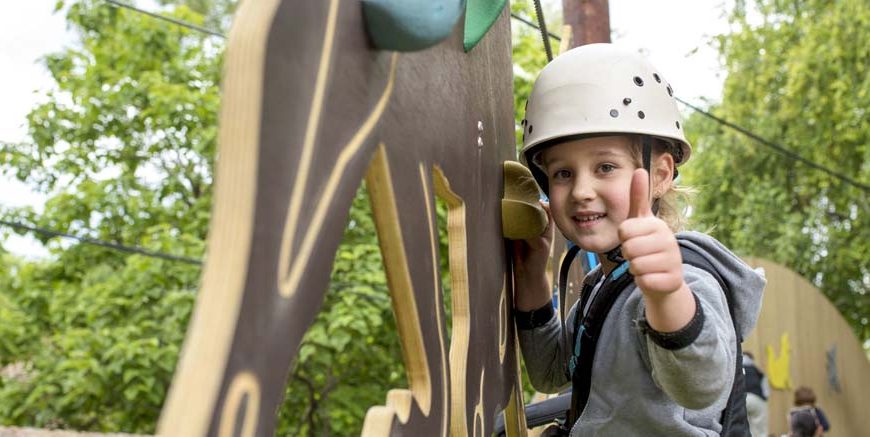
Children today are exposed to more complex equipment including rope structures, climbing towers, balancing bridges and sensory play units. Although these are enriching, they require proper supervision and age appropriate usage.
Parents expect schools to maintain high standards of child safety playground equipment and overall play supervision. Certified materials, safe flooring and correct installation play an important role.
Global child development research increasingly highlights how unsafe play conditions contribute to preventable childhood injuries. Simple measures like cushioned flooring or proper spacing between equipment significantly reduce risks.
Preschoolers learn through self generated action. They explore their limits through trial and error. A safe playground creates a secure environment for this exploration without unnecessary hazards. With the right measures, playgrounds can remain joyful spaces where children grow resilient, active and confident.
Read More – Fun Outdoor Activities for 1 Year Old Kids
Types of Playground Equipment and Their Safety Requirements
Before discussing safety tips, it is important to understand the types of playground equipment children interact with. Each category comes with its own risks and benefits.
1. Slides
Slides are among the most loved play structures. They teach children balance, coordination and spatial awareness. However, the height of the slide, surface material and landing area must be age appropriate. The ladder must be sturdy and equipped with handle support.
2. Swings
Swings help with core strength, rhythm and balance. Proper spacing between swings prevents collisions. Soft seats reduce the risk of injury and the ground below must have impact absorbing material.
3. Climbing Frames
These structures are excellent for developing gross motor skills but require careful supervision. Railings, grip surfaces and height limits make them safer for playground safety for kindergarten.
4. See Saws
See saws introduce children to the concept of balance and teamwork. A safe see saw should have rubber bumpers at the ends and should not lift too high when a child gets off suddenly.
5. Sensory Play Structures
Many modern preschools include sensory units that encourage tactile play. These generally have fewer risks but should still be checked for loose parts and sharp edges.
6. Baby Play Equipment
For toddlers and infants, baby playground equipment safety requires additional measures such as rounded edges, cushioned flooring and lower heights to prevent falls.
Understanding these helps parents evaluate whether a school playground is equipped with safe playground equipment for schools and if it aligns with global child safety standards.
Read More – exciting running games for children
Top Playground Equipment Safety Tips for Kids
Below are the most effective safety principles parents and schools should follow. These ensure both daily safety and long term habits.
1. Ensure Age Appropriate Equipment
Every child progresses at their own pace. Schools must ensure that the equipment is suitable for the child’s age and physical abilities. Younger children should have access to lower slides, slower swings and climbing bars that do not exceed safe height recommendations. Age appropriate play prevents fear and reduces injury risk.
2. Adult Supervision is Essential
Most playground accidents happen not because children misuse equipment but because they are unaware of potential risks. Adult supervision provides timely guidance, teaches responsible behaviour and helps children understand safe boundaries. Trained staff can intervene immediately if children show signs of unsafe play.
3. Check the Surface and Flooring
The ground surface underneath the equipment plays a significant role in safety. Soft, impact absorbing surfaces such as rubber tiles, sand, foam mats or fine wood chips are ideal. Hard surfaces increase the severity of falls. Parents should ensure that the preschool uses safe and certified flooring material.
4. Teach Children Safe Use of Equipment
Meaningful conversations are key. Children should be taught how to hold the ladder rails, wait for their turn on the slide and avoid climbing up from the slide’s front. These small guidelines help children play confidently and responsibly. They also learn cooperation and patience.
5. Inspect for Sharp Edges and Loose Parts
Parents and teachers must ensure equipment is regularly inspected for rust, splinters, loose bolts or broken components. Even high quality playground equipment requires periodic checks to maintain safe standards.
6. Prioritise Weather Appropriate Play
Hot metal slides, wet surfaces or overly windy areas can pose risks. Ensuring that children use the equipment when conditions are favourable reduces unnecessary injuries.
7. Maintain Safe Spacing
Equipment should be spaced adequately to avoid collisions. Swings should not be too close to slides. Climbing frames should be placed separately from active running zones. Proper spacing gives children enough room to play freely.
8. Encourage Appropriate Clothing
Loose scarves, jewellery or drawstrings can get caught in equipment. Comfortable, fitted clothing and closed toed shoes support safe play and reduce tripping hazards.
9. Teach Children to Be Mindful of Others
Playgrounds are social spaces. Children should learn to be aware of others on the equipment, wait for their turn and avoid pushing or overcrowding. These habits contribute to both safety and social development.
10. Avoid Overcrowding on Equipment
Slides, swings and climbing bars should be used one at a time. Children should learn to wait patiently rather than rushing. This prevents falls and improves discipline.
11. Ensure Cleanliness and Hygiene
Young children often touch surfaces and then their face. Play areas must be sanitised regularly. Debris, mud or slippery patches should be cleared immediately to maintain safety and hygiene.
12. Model Responsible Play
Children imitate adults. When teachers and parents demonstrate calm behaviour and responsible equipment use, children naturally follow.
Read More – Advantages of Outdoor Play for Early Childhood
How EuroKids Ensures Safe Playground Design
EuroKids places great emphasis on child safety, especially in outdoor and physical play zones. Every aspect of playground design is aligned with global safety standards.
Safe and Age Appropriate Equipment
EuroKids uses certified safe playground equipment for schools that supports the motor development needs of preschoolers and kindergarteners. All materials are child friendly and tested for durability.
Impact Absorbing Flooring
Surfaces are designed with soft, cushioned materials that significantly reduce the severity of accidental falls. Children are protected even when exploring new equipment or trying challenging movements.
Child Centric Space Planning
Play areas are designed with proper spacing between equipment, preventing overcrowding and collisions. The layout ensures easy visibility so teachers can supervise efficiently.
Dedicated Toddler Zones
For younger children, EuroKids provides baby playground equipment safety standards with lower heights, gentler slides and rounded edges.
Regular Inspection Routines
Equipment undergoes routine maintenance checks. Every loose bolt, rust spot or uneven surface is identified and addressed quickly.
Trained Staff and Active Supervision
EuroKids teachers are trained in playground supervision that aligns with safety guidelines while still encouraging exploration and independence.
Playground Safety and the Heureka Curriculum
The Heureka Curriculum at EuroKids goes beyond academic development. It integrates structured physical activities, motor skill learning and emotional confidence building. The curriculum includes:
- Progressive physical exercises designed for different age groups
- Safe movement activities that teach body awareness and coordination
- Guided outdoor play that encourages risk assessment
- Activities that strengthen balance, agility and flexibility
- Emotional development through cooperative play and teamwork
Through this approach, children not only have fun but also learn essential life skills that help them become confident and self aware.
What Parents Can Do to Support Playground Safety
While schools play a crucial role, parents can reinforce these habits at home and during visits to public parks.
Teach Safety Language
Use simple phrases like “hold the rail” or “wait until your friend finishes”. Clear language helps children remember safety steps.
Stay Present During Play
Whenever possible, supervise your child actively rather than watching from a distance.
Encourage Problem Solving
Ask questions like “Where should you place your foot next?” or “Is this slide too high for you?” This helps children build awareness.
Choose Safe Play Zones
Avoid parks with old equipment, exposed metal or unstable structures.
Celebrate Safe Choices
Positive reinforcement helps children adopt responsible habits naturally.
FAQs
1. What is the most important rule of playground safety?
The most important rule is active adult supervision. Children often explore without understanding risks. A present adult can guide them, correct unsafe actions and prevent accidents.
2. What is the best surface for playgrounds?
Impact absorbing materials like rubber mats, padded tiles, sand and foam are ideal. They reduce injury risks significantly during falls.
3. How can I teach playground safety to young children?
Teach through modelling, simple instructions, storytelling and consistent reminders. Children learn best through repetition and observation.
4. What should I look for in safe playground equipment for schools?
Look for rounded edges, sturdy structures, nonslip surfaces, height appropriate equipment and proper spacing. Check if the school conducts regular inspections.
5. Are climbing structures safe for kindergarten children?
Yes, as long as they are age appropriate and supervised. Climbing improves motor skills and confidence but should be height and grip appropriate.
EuroKids Admissions: A Safe and Nurturing Start
Choosing a preschool is one of the most important decisions a parent makes. At EuroKids, every child’s safety, comfort and growth come first. From scientifically designed learning environments to child centric play zones, EuroKids ensures that children explore freely while staying safe.
The Heureka Curriculum integrates physical development, emotional stability and intellectual growth, helping children learn at a pace that suits their natural curiosity. With secure infrastructure, trained staff and structured outdoor play routines, EuroKids offers a balanced learning experience where safety and joy coexist.
Parents looking for a school that values structured learning, purposeful play and complete safety can explore EuroKids Admissions to find the right centre near them.
Related Blogs
1. Winter Activities for Preschool Students
Discover fun, age-appropriate winter activities that spark creativity and learning. From indoor sensory play to cosy craft ideas, this blog helps parents and teachers keep preschoolers engaged throughout the season.
2. Tips for Keeping Your Child Warm This Winter
Get practical and reliable tips to protect your little one during the chilly months. Learn how to layer clothing correctly, maintain healthy routines, and keep children comfortable without restricting movement.
3. Winter Clothing for Kids: Stay Warm and Stylish
Explore a helpful guide on winter essentials for children. Find suggestions for thermals, outerwear, accessories, and stylish yet functional outfits to ensure your child stays warm and confident all winter long.