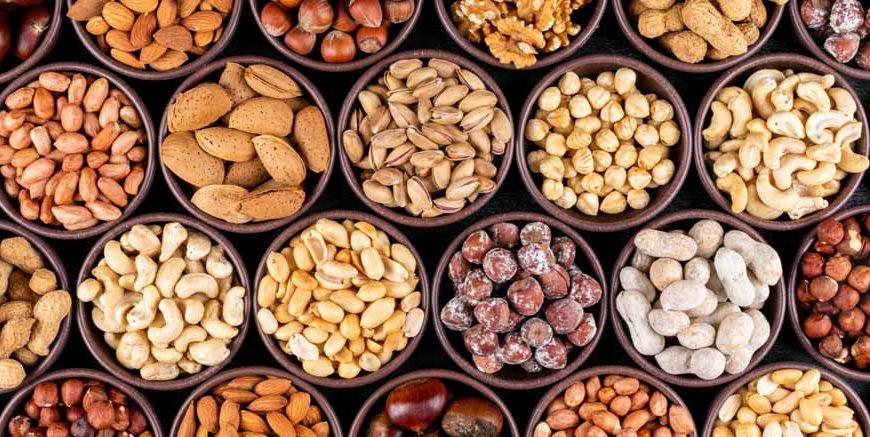
Nuts are one of the most nutritious and widely consumed foods in the world. In India, nuts are an essential part of daily diets, festivals, traditional sweets, Ayurvedic practices, and modern nutrition plans. From almonds soaked overnight to cashews in curries and pistachios in desserts, nuts are valued for both taste and health.
Here, you will learn everything about nuts, from their meaning, definition, types, benefits, differences from dry fruits, to their importance in Indian food habits.
- What is a nut?
- What is the meaning of nuts?
- Define nut
A nut is a type of hard-shelled fruit that contains an edible seed inside. The seed is rich in nutrients, including healthy fats, protein, vitamins, and minerals.
Nuts: Meaning in English and Food Context
The meaning of nuts in the English language refers to edible seeds that are often eaten raw, roasted, or used in cooking.
The meaning of nuts in food is related to nutrition and health. Nuts are considered a great dietary option because they provide:
- Energy
- Good fats
- Protein
- Fibre
This is why nutritionists recommend eating nuts daily in small amounts.
Read More – Health Benefits of Walnuts for Kids
Nuts Meaning in Hindi and English
Understanding the word “nuts” in Hindi and English is helpful for Indian students.
|
English Name |
Hindi Name |
|
Almond |
बादाम |
|
Cashew |
काजू |
|
Peanut |
मूंगफली |
|
Walnut |
अखरोट |
|
Pistachio |
पिस्ता |
|
Brazil Nut |
ब्राज़ील नट |
Nut meaning in Hindi: नट / सूखे मेवे (context-based)
Are All Nuts Fruits?
Botanically, some nuts are classified as nut fruit, while others are seeds but are commonly called nuts.
For example:
- Almonds are seeds
- Cashews grow outside the fruit
- Peanuts grow underground
However, in everyday language and in the food industry, all of these are called nuts.
Different Types of Nuts
There are many different types of nuts eaten across the world. Let us look at the most popular ones.
Common Nut Varieties
- Almonds
- Cashews
- Walnuts
- Pistachios
- Peanuts
- Hazelnuts
- Brazil nuts
- Macadamia nuts
How Many Types of Nuts Are There?
There are more than 20 major nut varieties consumed worldwide. In India, about 8–10 types are commonly used in daily cooking and snacks.
Dry Nuts Names (Common in India)
The term “dry nuts” is often used interchangeably with “dry fruits”.
Common dry nuts in India:
- Badam (Almond)
- Kaju (Cashew)
- Akhrot (Walnut)
- Pista (Pistachio)
- Moongphali (Peanut)
These are considered small nuts that are easy to eat and digest.
Read More – Best Healthy Foods for Kids
What Are Brazil Nuts Called in Hindi?
Brazil nuts are commonly referred to as ब्राज़ील नट in Hindi.
They are not traditionally Indian but are now available in health stores.
Types of Nuts and Seeds
Sometimes nuts are grouped with seeds.
Types of Nuts and Seeds Include:
- Nuts: Almonds, cashews, walnuts
- Seeds: Sunflower seeds, pumpkin seeds, flax seeds
Although they differ botanically, both are rich in nutrients and are often eaten together.
Uses of Nuts in Daily Life
There are many uses of nuts in Indian households.
Culinary Uses
- In sweets like laddoos, halwa, kheer
- In curries and gravies
- As snacks (roasted nuts)
Health Uses
- Weight management
- Brain development
- Heart health
Cultural Uses
- Festivals (Diwali dry fruit boxes)
- Religious offerings
Benefits of Nuts (Why We Should Have Nuts)
Nuts are considered a superfood.
Health Benefits of Nuts
- Improve heart health
- Provide energy
- Support brain development
- Improve immunity
- Help in weight control (when eaten in moderation)
That is why doctors recommend that we have nuts daily.
Difference Between Nuts and Dry Fruits
Many people confuse nuts with dry fruits. Let’s understand the difference between nuts and dry fruits.
Difference Between Dry Fruits and Nuts
|
Nuts |
Dry Fruits |
|
Hard-shelled seeds |
Dehydrated fruits |
|
Almond, cashew |
Raisins, dates |
|
High in fats |
High in natural sugar |
So, the difference between dry fruits and nuts lies in their source and nutritional content.
All Nuts vs All Dry Fruits
- All nuts are seeds with shells
- All dry fruits are dried, dehydrated versions of fruits
Both are healthy but serve different nutritional purposes.
Read More – Nutritious Energy Bars for Kids
Nuts in English (Usage Examples)
Examples of nuts in English sentences:
- I eat nuts every morning.
- Almonds and walnuts are healthy nuts.
This helps students learn proper usage.
Small Nuts and Their Importance
Small nuts like peanuts and pistachios are affordable and widely available in India. They provide:
- Protein
- Healthy fats
- Long-lasting energy
This makes them popular across all income groups.
Nuts as Food in the Indian Diet
In India, nuts are an integral part of:
- Breakfasts (badam milk)
- Snacks (chikki with peanuts)
- Festive meals
Ayurveda also values nuts for strength and nourishment.
Nut Varieties Popular in India
Some popular nut varieties include:
- Kashmiri walnuts
- Iranian pistachios
- Indian cashews (Kerala & Goa)
These varieties are exported globally.
How EuroKids Builds Strong EVS Foundations
When Environmental Studies (EVS) is introduced through observation, storytelling, nature walks, and hands-on exploration, young learners begin to understand their surroundings in a meaningful and lasting way. Instead of memorising facts about plants, animals, or seasons, children learn by experiencing and questioning the world around them. This is why structured early education programs focus on experiential and inquiry-based learning rather than rote memorisation.
At EuroKids, foundational EVS concepts are nurtured through the HEUREKA – Visible Thinking Curriculum. This approach encourages children to explore themes such as “My Family,” “My Community,” “Plants and Animals,” “Seasons and Weather,” and “Good Habits” through interactive discussions, thematic projects, role play, outdoor exploration, and guided observation.
The Visible Thinking framework helps children observe carefully, think deeply, and express their ideas confidently. Through activities like nature-based learning, environmental awareness projects, sensory exploration, and group conversations, children develop curiosity about how things grow, how communities function, and how they can care for the environment.
With a child-centric and play-based methodology refined over 20+ years and implemented across 1600+ preschools, EuroKids focuses on building awareness, responsibility, and curiosity first, allowing knowledge, empathy, and critical thinking skills to develop naturally over time.
What is the meaning of Nut in Colloquial Language?
Apart from food, the phrase “nuts” is sometimes used informally (as a slang term) to mean “crazy,” but in this article, the meaning of nuts strictly refers to food and nutrition.
H2- Summary: Key Points About Nuts
Let us quickly revise:
- Nuts meaning: Edible seeds with hard shells
- Nut definition: Nutritious seed fruit
- Different types of nuts include almonds, cashews, and walnuts
- Knowing the difference between nuts and dry fruits is important
- Nuts are healthy and should be eaten daily in moderation
Nuts are an essential part of a balanced Indian diet. Understanding the definition of nuts, their different types, and their health benefits helps us make better food choices. Whether eaten raw, roasted, or cooked, nuts provide nutrition, energy, and taste.
To explore more learning ideas, simple explanations, and early childhood resources, parents
can visit the EuroKids Blog. Those who wish to understand the preschool journey better or
explore enrolment options can find complete information on the EuroKids Preschool Admission
Page, where learning is designed to be joyful, engaging, and child-friendly.