A beach is one of the most fascinating natural landforms on Earth. From family vacations to geography lessons in school, beaches play an essential role in our lives. In India, with its long coastline stretching over 7,500 kilometres, beaches are not only tourist attractions but also centres of culture, livelihood, and biodiversity.
In this article, you will learn complete beach information, including the beach definition, meaning, types of beaches, essential concepts, and a simple beach description suitable for students.
Many students often ask:
- What is a beach?
Define Beach
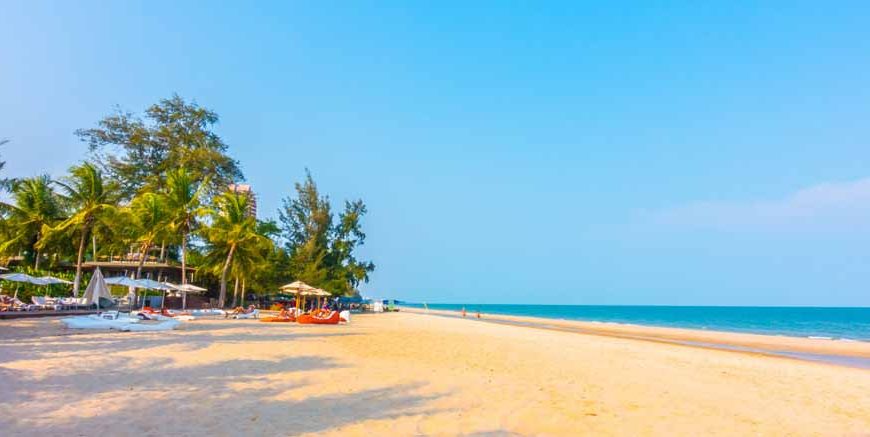
A beach is a landform found along the edge of a sea, ocean, lake, or river. It is usually made of sand, pebbles, rocks, or shells and is formed by the action of waves and tides.
In simple words:
A beach is a sandy or rocky area where land meets water.
So, when we define a beach, we describe it as a natural boundary between land and water.
In geography textbooks, the beach is described as:
- A depositional landform
- Formed by the movement of water
Continuously changing due to erosion and deposition
Read More – Enjoyable Beach Activities for Kids
How Are Beaches Formed?
Understanding the beach also means knowing how it is formed.
Beaches are formed due to:
- Waves carrying sand and rocks
- Tides depositing sediments on the shore
- Wind shaping the surface of sand
Over thousands of years, these natural processes create different types of beaches.
Types of Beaches
There are many types of beaches, depending on location and materials found there.
1. Sandy Beaches
- Made of fine sand
- Common along oceans and seas
- Example: Goa beaches, Puri Beach
2. Rocky Beaches
- Covered with rocks and stones
- Found where waves are strong
- Example: Parts of the Konkan coast
3. Pebble Beaches
- Made of small, smooth stones
- Less sandy, more rocky
4. Coral Beaches
- Formed from coral fragments
- Found near coral reefs
- Example: Lakshadweep Islands
5. Artificial Beaches
- Created by humans for tourism or protection
These types of beaches help students understand coastal diversity.
Famous Beaches in India
India is home to some of the most beautiful beaches in the world.
Popular Indian Beaches:
- Goa – Famous for sandy beaches and tourism
- Marina Beach, Chennai – One of the longest urban beaches
- Juhu Beach, Mumbai – Popular city beach
- Kovalam Beach, Kerala – Known for calm waters
- Radhanagar Beach, Andaman – Clean and scenic
Read More – Best Places to Visit in Kerala with Kids & Family
Importance of Beaches in India
Beaches are significant for India’s economy and environment.
Economic Importance
- Support fishing communities
- Promote tourism
- Provide employment
Environmental Importance
- Protect coastlines from storms
- Support marine life
- Maintain ecological balance
Plants and Animals Found on Beaches
Beaches support unique life forms.
Common Plants:
- Coconut trees
- Mangroves (near coastal beaches)
- Beach grass
Common Animals:
- Crabs
- Sea turtles
- Seagulls
- Fish near shore
Human Activities on Beaches
People use beaches for many purposes:
- Relaxation and recreation
- Swimming and sports
- Fishing and trade
- Cultural festivals
In India, beaches are also used for:
- Religious rituals
- Local markets
- Traditional fishing practices
Beaches and Environmental Protection
Beaches are fragile ecosystems and need protection.
Threats to Beaches:
- Pollution
- Plastic waste
- Over-tourism
- Coastal erosion
Protection Measures:
- Clean-up drives
- Plastic bans
- Awareness campaigns
- Coastal regulation laws
Protecting beaches ensures they remain safe for future generations.
Read More – Family Friendly Beach Vacations
Beach Safety Tips
When visiting a beach:
- Follow safety signs
- Avoid strong currents
- Do not litter
- Respect marine life
These practices help keep beaches clean and safe.
How EuroKids Builds Strong Geography Foundations
When geography is introduced through storytelling, visual exploration, maps, globes, and hands-on discovery, young learners begin to understand the world around them in a meaningful way. Instead of memorising place names or directions, children learn by observing, questioning, and connecting ideas. This is why structured early education programs emphasise experiential and inquiry-based learning over rote memorisation.
At EuroKids, foundational geography concepts are nurtured through the HEUREKA – Visible Thinking Curriculum. This approach encourages children to explore their surroundings, understand directions, identify landforms, recognise community helpers, and develop awareness about their environment through interactive activities. Using visual maps, thematic projects, storytelling, group discussions, and observation-based tasks, children are guided to think, ask questions, and make connections about the world they live in.
Concepts such as “my home,” “my neighbourhood,” seasons, weather, transport, and basic map skills are introduced through relatable, real-life experiences. The Visible Thinking framework supports curiosity, reflection, and expression, and helps children articulate what they see, think, and wonder.
With a child-centric and play-based methodology refined over 20+ years and implemented across 1600+ preschools, EuroKids focuses on building curiosity and awareness first, allowing knowledge, confidence, and critical thinking skills to grow naturally over time.
Summary: Key Points About Beaches
Let’s quickly revise:
- Beach definition: A landform where land meets water
- What is a beach? A sandy or rocky shore
- Types of beaches include sandy, rocky, coral, and pebble beaches
- India has a long coastline with famous beaches
- Beaches are essential for ecology, economy, and culture
Understanding beach features helps students better appreciate nature and geography.
To explore more learning ideas, simple explanations, and early childhood resources, parents
can visit the EuroKids Blog. Those who wish to understand the preschool journey better or
explore enrolment options can find complete information on the EuroKids Preschool Admission
Page, where learning is designed to be joyful, engaging, and child-friendly.