Every morning, before the school bus honks and the breakfast table gets busy, there is a quiet thud at the front door. The daily paper has arrived! For generations, the crisp rustle of large, printed pages and the faint smell of fresh ink have marked the beginning of the day. But in an era filled with bright mobile screens and instant video clips, why should a simple bundle of paper matter to a young child?
Helping early learners understand the value of newspaper reading is a wonderful way to spark their curiosity about the massive world sitting just outside their window. Whether your child has a homework assignment or a school speech coming up, this guide will help them craft a beautiful piece of writing suitable for their grade level.
Reading Newspaper Daily
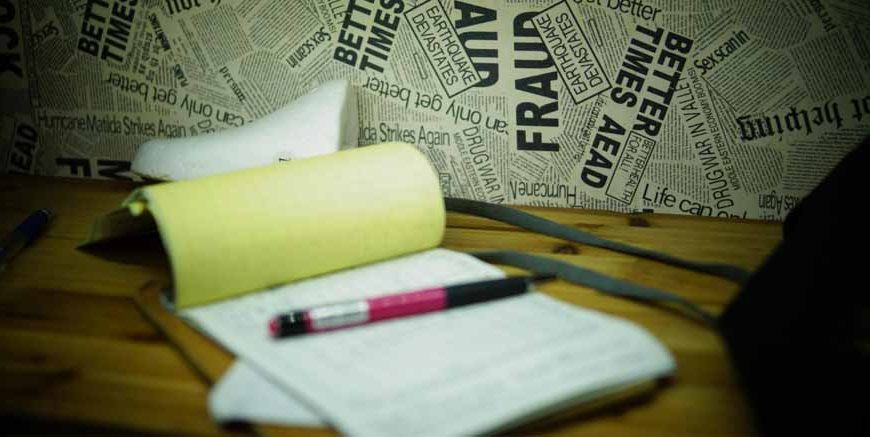
When we talk about the importance of newspaper, we are really talking about building a lifelong habit. A newspaper is like a daily letter from the universe. For a young child, the adult news section might seem a bit overwhelming, but tucked inside those pages are fascinating wildlife facts, local festival updates, weather reports, and fun comic strips.
Encouraging kids to sit with an open paper improves their vocabulary, introduces them to new UK English spellings, and helps them understand how real-world communities work. Let us look at how to break down an essay on newspaper into perfect, bite-sized pieces for primary students.
Read More – Essay on Discipline for Kids
The Importance of Newspaper 10 Points
If your little one needs to write down the importance of newspaper 10 points for a quick class test or a short assembly presentation, these simple lines are incredibly easy to remember:
- A newspaper is a printed collection of daily news, stories, and useful information.
- It arrives at our homes every single morning without fail.
- Reading the paper tells us about what is happening in our local town and around the world.
- It carries interesting pictures, puzzles, and fun comic strips specially printed for children.
- The daily weather forecast helps us decide whether we need to carry an umbrella to school.
- Reading it out loud helps improve our pronunciation, reading speed, and daily vocabulary.
- It shares exciting updates about sports matches and our favourite athletes.
- A newspaper is very cheap, meaning almost everyone can afford to buy and read one.
- It helps students gather real facts and pictures for their school projects.
- Making reading newspaper a daily habit makes us smart and highly aware citizens.
Importance of Newspaper Paragraph
As children move into higher classes, they need to stitch their sentences together into a neat, flowing bundle. Here is an importance of newspaper paragraph that a Class 2 or early Class 3 student can easily write:
“The newspaper is one of our very best friends because it brings the whole world directly to our breakfast table. It is printed on large, thin sheets of paper and contains news about our country, sports, science, and the environment. For children, the real importance of newspaper lies in its fun sections, like crosswords, riddles, and short animal stories. Reading it daily is a wonderful habit because it naturally teaches us new words and improves our grammar. Even though we have televisions and computers, a physical newspaper is special because you can hold it, safely cut out colourful pictures for your school scrapbooks, and read it quietly anywhere you like.”
For an older primary student, a more detailed importance of newspaper essay can explore how this print media connects society together.
“An essay on newspaper is incomplete without understanding how it acts as a massive bridge between different countries. Every single day, hard-working journalists travel to different places to find out the truth and share it with the public. They write down everything from space rocket launches to local football tournament results. When we start reading newspaper columns regularly, we learn to understand different opinions and vibrant cultures.
Furthermore, it is an incredible tool for education. While textbooks teach us about ancient history and maths, the daily paper teaches us about the present moment. It shows us real-life examples of bravery, brilliant scientific inventions, and important global events. Holding a physical paper also gives our eyes a much-needed break from glaring digital screens. Ultimately, the true value of newspaper reading is that it builds a well-informed, intelligent, and deeply connected community. It proves that knowledge is power, and that power is delivered right to our doorsteps every morning.”
Read More – Fun Literacy Activities for Kids
Conclusion
To sum up, those large, ink-stained pages offer so much more than just yesterday’s news. They represent a daily opportunity to sit quietly, reflect, and learn something entirely new about the vast planet we share. When a child learns to unfold a paper and scan its columns, they are not just reading words; they are learning how to become active, curious participants in human history.
In a world that is constantly rushing towards the next quick digital notification, taking ten minutes to read printed words teaches patience, focus, and critical thinking. Let us encourage our children to pick up the paper, trace the bold headlines with their small fingers, and discover the magnificent stories waiting for them.
To explore more wonderful ways to nurture your child’s reading habits and expand their worldview, browse through the EuroKids Blog, and discover a brilliant path forward by inquiring about EuroKids Preschool Admission today.
FAQs
Why should young kids read the newspaper?
It dramatically improves their reading fluency, introduces them to proper sentence structures, and feeds their general knowledge with real-world facts rather than just fictional stories.
Which section of the paper is best for a primary student?
Start with the colourful comics, the daily weather map, the sports pages, and any special weekend children’s supplements that feature puzzles and fun quizzes.
Can newspapers help with school projects?
Absolutely! Children can safely cut out photographs of animals, politicians, historical monuments, and geographical events to make their charts and scrapbooks highly relevant.