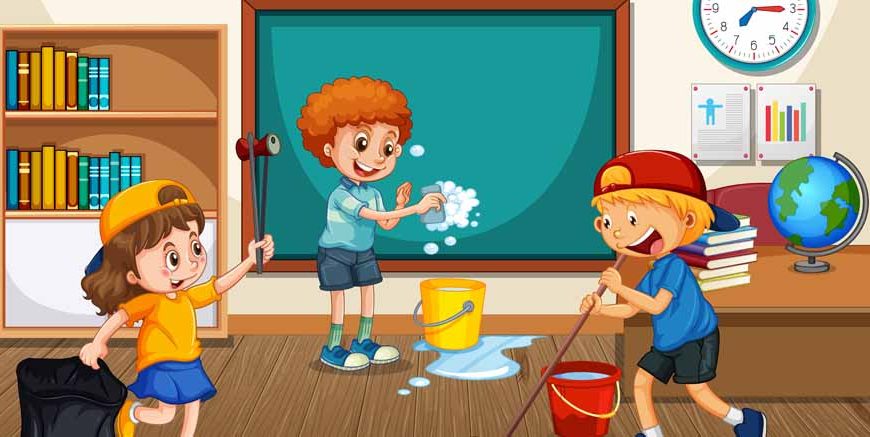
A bedroom floor covered in scattered building blocks, an unmade bed, and a half-eaten biscuit resting on a desk. It is a familiar, slightly chaotic sight in almost every household with young children. While early childhood is naturally a bit messy and wonderfully loud, teaching our little ones to tidy up their space is a foundational life skill.
When teachers ask primary students to write an essay on cleanliness is next to godliness, they are gently pushing them to reflect on their daily personal habits. Let us explore exactly how to explain this classic, timeless proverb to young children and help them draft a brilliant essay that truly captures the magic of staying neat, healthy, and wonderfully tidy.
The Cleanliness Is Next To Godliness Meaning
What does this famous phrase actually say? To a lively seven-year-old, the word ‘godliness’ might sound a bit grand, serious, or confusing.
The simplest way to explain the cleanliness next to godliness is to connect it directly to goodness and inner peace. You can explain to your child that washing their body keeps pesky germs away, while a beautifully tidy room helps their busy mind feel calm and relaxed. Being clean shows that we deeply respect ourselves, our family members, and the lovely things we own. It is ultimately about treating our physical environment with gentleness and love.
Read More – Essay On Save The Environment for Kids
Why We Do It: The Importance of Cleanliness
Before your child picks up a pencil to write their cleanliness is next to godliness essay, sit down and have a chat about the real-world impact of good hygiene.
The importance of cleanliness goes far beyond just looking incredibly smart in a freshly ironed school uniform. It is a child’s ultimate, invisible shield against getting poorly. Washing hands with warm, soapy water before supper stops tummy bugs from ruining their weekend. Putting rubbish in the correct bin keeps our local parks looking lovely for everyone to enjoy. When children understand that simply picking up their sweet wrappers protects the local wildlife, the topic suddenly becomes highly meaningful and exciting to them.
10 Lines on Cleanliness (For Class 1)
For our littlest learners, structuring a massive paragraph is tough work. A numbered list works absolute wonders for their confidence. Here are ten easy, memorable lines that beautifully capture the essence of cleanliness is next to godliness for a Class 1 assignment:
- Cleanliness means keeping our bodies, our daily clothes, and our homes completely neat.
- The famous proverb cleanliness is next to godliness teaches us to be good and pure.
- I always brush my teeth twice a day to keep my smile bright and very healthy.
- Washing my hands with soap before eating stops nasty germs from making me ill.
- I always help my mother by putting my toys away in the cupboard after playing.
- Wearing a clean, ironed uniform to school makes me feel smart and ready to learn.
- We must never throw crisp wrappers on the floor; they belong in the rubbish bin.
- A tidy, highly organised bedroom helps me sleep much better at night.
- Keeping our streets and parks clean protects innocent animals from getting hurt.
- A clean child is always a happy, healthy, and deeply loved child.
Read More – Essay on Nature For Kids
A Short Paragraph for Class 2
As your child steps into Class 2, they can start linking their thoughts to form a short, flowing story. Here is a sweet, relatable example of an essay on cleanliness is next to godliness perfectly tailored for seven-year-olds:
“My parents always tell me that cleanliness is next to godliness. This wonderful saying means that keeping ourselves and our surroundings tidy is just as important as being a good, honest person. Every morning, I make sure to have a warm bath, comb my hair neatly, and wear fresh clothes. But being clean is not just about our bodies! It also means respecting our home and our lovely school.
I always throw my pencil shavings in the bin and help to wipe the kitchen table after supper. When my room is tidy, I feel much happier and can easily find my favourite storybooks. Keeping the world clean is everyone’s big responsibility.”
A Detailed Essay for Class 3
For older primary students, the essay should dig a little deeper into community responsibility and health.
“There is a very old and wise proverb that states cleanliness is next to godliness. While it sounds quite formal, the lesson hiding behind it is incredibly simple: a pure, tidy environment leads directly to a peaceful mind and a healthy life. Personal hygiene, like trimming our nails and bathing daily, acts as an invisible shield against dangerous diseases. However, the true importance of cleanliness stretches far beyond our own front doors.
When we walk through a local park, seeing litter scattered across the green grass is quite sad. If we want to be truly good citizens, we must treat our neighbourhood with the exact same respect we show our cosy living rooms.
Picking up our rubbish, planting green trees, and keeping the local rivers clear of plastic are fantastic ways to show massive love for our planet. Ultimately, a clean environment brings positive energy, immense joy, and good health to absolutely everyone. This is exactly why staying neat and tidy is considered one of the highest virtues a human being can practise.”
Read More – Save the Earth Essay for Kids
Summary
To wrap things up, teaching a young child to wipe their messy shoes on the doormat or file away their school papers does far more than just keep your hallway looking presentable. It instils a profound, quiet sense of personal responsibility. When we guide our children to understand that their physical actions, like picking up a discarded wrapper, have a positive ripple effect on the entire world, we are raising mindful, highly respectful human beings.
A broom and a dustpan are not just boring cleaning tools; in the hands of a child learning about the world, they are instruments of immense pride and care. Nurture these small daily habits today, and watch them effortlessly blossom into a lifetime of brilliant choices.
To uncover more parenting advice and actively support your child’s holistic development, wander over to the EuroKids Blog and learn about the joyful opportunities awaiting you through EuroKids Preschool Admission today.
FAQs
How do I explain this proverb to a young toddler?
Keep it highly visual! Show them a muddy apple and a washed, shiny apple. Ask them which one they would rather eat, explaining that being clean is simply the best, healthiest way to be.
What are some fun ways to teach hygiene at home?
Create a colourful star chart for daily tasks like brushing teeth, washing hands, and putting dirty socks into the laundry basket.
Should children learn about public cleanliness too?
Absolutely. Teaching them to hold onto their sticky wrappers until they spot a public bin is a crucial, lifelong lesson in community respect.