Walk into any busy family kitchen right before the morning school run and you just hear noise. The toaster clattering on the counter, the fridge humming away, and maybe a metal kettle whistling on the hot stove. As adults, we just tune this background stuff out. We are too busy looking for our car keys. But for a toddler? The kitchen is basically a live magic show. Normal objects look like funny characters just waiting to talk.
Teaching kids to pretend they are everyday household items sparks some seriously good imaginative play. The classic song about boiling water is probably the best example of this out there. We are talking about the old favourite, of course. Let’s dig into why this simple tune sticks around generation after generation, how it helps clumsy little bodies figure out physical balance, and how to bring this musical game to life on a gloomy afternoon.
Bringing Kitchen Objects to Life
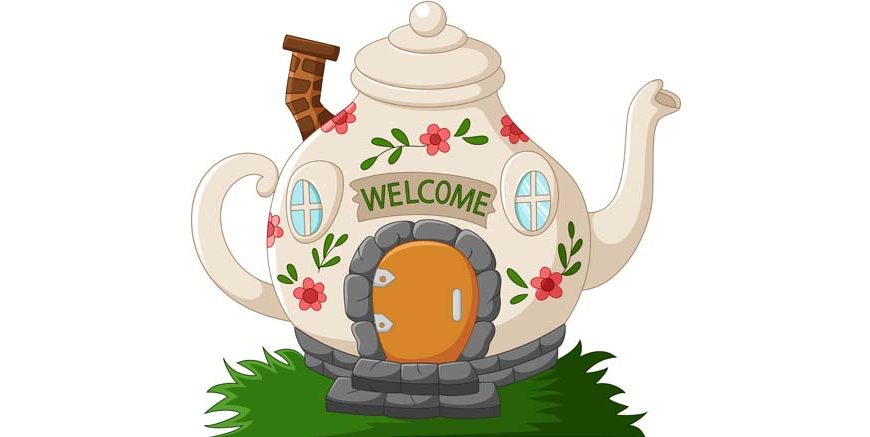
Little kids spend most of their days watching us handle boring, repetitive tasks. They sit in their highchairs, see you pour hot water into a mug, and wonder what on earth is going on. The famous I am a little teapot poem takes that boring adult chore and gives it a funny, relatable voice. You are literally turning a metal pot into a character with big feelings.
It completely bridges the gap between grown-up chores and toddler playtime. When a child sings this, they are stepping into a weird, fun role. Pretending to be an inanimate object sounds a bit strange to us now, but it builds a ton of creative thinking for them. They have to sit there and imagine what a kitchen pot would say if it could actually speak to people. It makes the world around them feel friendly and alive.
Read More – Nursery Rhymes For Kids with Lyrics
The Catchy Words We All Know
You really do not need a music degree to get this one right. The best part about this tune is how wonderfully simple the whole thing is. The words are short, punchy, and super easy for tiny mouths to get their teeth around.
Here are the words you can practise singing today:
I am a little teapot,
Short and stout,
Here is my handle,
Here is my spout.
When I get all steamed up,
Hear me shout,
Tip me over and pour me out!
This basic layout means toddlers catch the rhythm fast. Words like stout, spout, and out rhyme perfectly together. They act like little memory hooks in a developing brain. Before long, your kid will be stomping through the hallway shouting I am a teapot just for the absolute fun of it, even when you are trying to get them dressed for the day.
Figuring Out Balance and Movement
When your kid proudly yells about being kitchenware, they are actually doing some heavy physical work. This whole routine is built completely around gross motor skills. Just think about the actual physical moves required here.
The child has to plant one hand firmly on their hip. That becomes the handle. Then they stretch the other arm out straight and bend their wrist down to make the spout. Finally, they lean their whole body sideways without falling over onto the rug. For a toddler, putting balance, arm placement, and singing together is a huge deal. It is a major physical milestone that teaches them how to control their limbs in space. They are learning gravity, coordination, and rhythm all at the exact same time without even realising it.
Read More – Best Short Rhyming Poems for Kids
Shaking Up the Routine
You can easily turn this tune into a daily game without buying any fancy toys or props. It just takes a bit of your own energy and willingness to look a bit silly.
Here is a list of ways to keep the song feeling fresh and fun:
- Swap the arms around: Make them use the left arm for the handle and the right for the spout, and then switch them back. It makes their brain work twice as hard to coordinate.
- Play with the speed: Sing it in slow motion like a giant, sleepy tortoise. Then do it super fast. Kids usually dissolve into giggles at the chaos of the fast version.
- Add a big jump: Instead of standing still for the shout, get them to leap straight up into the air when the imaginary water boils.
- Be a mirror: Stand facing them and do the song together. Tell them to copy your moves exactly, like a reflection in a glass window.
Read More – Best Good Morning Songs for Preschoolers
Conclusion
Thinking about how a quick song about a kitchen pot teaches so much is pretty amazing. We always rush to buy the newest educational toys or flashcards, but the old, simple methods usually work best. A basic tune gives them heavy lessons in rhythm, balance, and imagination without ever feeling like a stressful classroom lesson. It takes a boring, rainy day and turns it into a laughing fit on the living room rug. Singing together builds a lovely foundation of confidence and creates memories they actually keep. If you are looking for more fun ways to support your child’s early years and want to see how we approach early learning, check out the EuroKids Blog and start their journey through EuroKids Preschool Admission today.
FAQs
What age is this song best suited for?
It is great for toddlers between two and four years old. This is the exact time they are trying to master their balance and love copying physical gestures.
Can this rhyme help with speech development?
Yes, the clear rhythm and repeating vowel sounds make it super easy for kids to practise saying tricky words without feeling any pressure.
Why is the song so short?
Nursery rhymes are kept brief on purpose to match a toddler’s short attention span. It ensures they can remember the whole thing without getting frustrated and giving up.