You often notice that children recognise big letters quickly, but when they see small letters, they pause. They look unsure. They mix up shapes. They hesitate while reading simple words. This moment of confusion feels small, yet it plays a huge role in how confidently a child learns to read and write. When a child struggles with lowercase letters, reading becomes slow, writing feels tiring, and confidence drops.
That is why teaching lowercase letters is not just about handwriting. It is about building comfort with language. It is about helping children see words as friendly, not frightening. When you guide them gently, step by step, the small alphabet stops feeling complex and starts feeling exciting. You help them move from recognising letters to using them naturally in speech, reading, and writing.
Read More – Fun Ways to Teach the Alphabet to Kids
What Are Lowercase Letters in Simple Words
A lowercase letter is the small form of a letter that you see in most books and sentences. These are also called small letters. For example, “A” is a capital letter and “a” is a lowercase letter.
The lowercase letter meaning becomes clear when you tell a child that these letters help make words and sentences. When children read storybooks, they mostly see lowercase alphabet letters because that is how English writing works. Capital letters appear at the start of sentences and for names, but the rest of the words use lowercase letters.
This is why learning the lowercase character shapes is essential. Without it, children find reading difficult even if they know the capital forms.
Understanding Uppercase and Lowercase Together
Children usually learn capital letters first because they are straight, bold, and easier to draw. However, real reading begins when they understand uppercase and lowercase together.
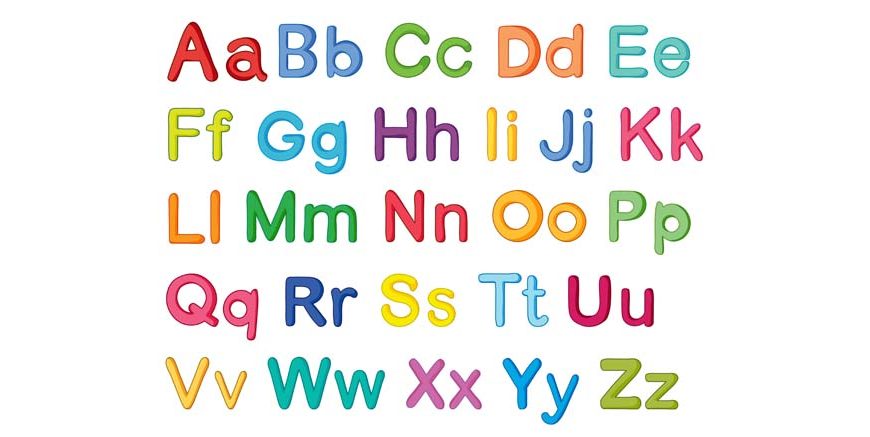
You help them by showing pairs like A and a, B and b, C and c. When they see both forms side by side, their mind connects them as the same letter with different appearances. This connection strengthens letter recognition and prevents confusion later.
Once children understand that every capital letter has a matching small letter, the small letter alphabet becomes less intimidating.
Read More – Dot to Dot A to Z Alphabet Worksheet for Kids
The Small Alphabet from A to Z
The small alphabet includes all letters from a to z. Teaching the small letter alphabet works best when you follow a slow and steady approach.
Instead of rushing through abcd a to z, you focus on a few letters at a time. You let children trace them, say their sounds, and spot them in books. This approach builds both visual memory and phonics understanding.
The lowercase alphabet should feel familiar, not forced. Repetition through playful activities makes learning smooth and enjoyable.
Why English Alphabet Small Letters Matter in Reading
When children open a storybook, they mainly see english alphabet small letters. If they do not recognise them well, reading becomes stressful.
Once children master lowercase letters, reading fluency improves. They start recognising words faster. Their confidence grows. Their curiosity about books increases. This simple shift transforms learning.
Read More – How Many Letters Are in The English Alphabet
Learning Lowercase Character Through Everyday Life
You do not need special tools to teach a lowercase character. You already see them everywhere.
Look at labels on water bottles.
Look at book covers.
Look at classroom posters.
When you point out small letters in daily surroundings, children understand that letters are not just schoolwork. They are part of real life.
Read More – Difference between Alphabet and Letter for Preschoolers
How to Teach Small Letters Step by Step
Teaching small letters works best when you follow a natural progression. First, let children trace dotted letters. Then allow them to write independently. Next, help them match capital letters with their small forms. Finally, let them read and write simple words.
This process builds confidence without pressure. Children feel proud when they write a letter correctly, and that pride encourages them to try more.
Lowercase Letter Meaning Through Simple Words
The real lowercase letter meaning appears when children see letters forming words. Words like cat, dog, pen, sun, and hat make letters meaningful. Children understand that letters are not just shapes. They create language. They carry meaning. They tell stories.
Read More – Easter Alphabet Activities for Kids
Why Lowercase Letters Feel Difficult
Lowercase letters often confuse children because some shapes look similar. Letters like b, d, p, and q appear almost identical but face different directions. You solve this by slowing down. You show how each letter starts and ends. You practise with patience. Over time, confusion fades and clarity grows.
Teaching Through Stories and Play
Stories and games bring the lowercase alphabet to life. When children spot small letters in storybooks or form words using letter cards, learning becomes joyful. Play transforms pressure into excitement. It keeps children engaged and curious.
Common Mistakes Children Make
Children may reverse letters, mix capital and small forms, or write letters in uneven sizes. These mistakes are normal. You correct gently. You guide with patience. Encouragement works better than correction. When children feel safe, they learn faster.
How EuroKids Builds Strong Alphabet Foundations
At EuroKids, learning begins with curiosity and confidence. Children explore letters through stories, visuals, movement, and conversation. This approach strengthens early literacy skills and builds a love for learning. EuroKids creates an environment where letters feel friendly and exciting, not overwhelming.
Conclusion: Begin Your Child’s Literacy Journey with EuroKids
When children master small letters, they read with ease and write with confidence. The lowercase alphabet becomes their tool for expression, creativity, and learning.
Choosing the right environment makes this journey smoother. EuroKids Admission opens doors to structured, joyful, and meaningful early education. The EuroKids Blog also offers valuable insights and learning resources to support parents and educators at every step.
FAQs
1. What is a lowercase letter?
A lowercase letter is the small form of a letter used in most words and sentences.
2. Why should children learn small letters after capital letters?
Small letters appear more often in reading and writing, so learning them improves fluency.
3. What is the difference between uppercase and lowercase?
Uppercase letters are capital forms and lowercase letters are small forms of the same alphabet.
4. How do you teach the small letter alphabet effectively?
You use tracing, reading, storytelling, and daily exposure.
5. How does EuroKids support early literacy?
EuroKids combines play-based learning with structured language development.