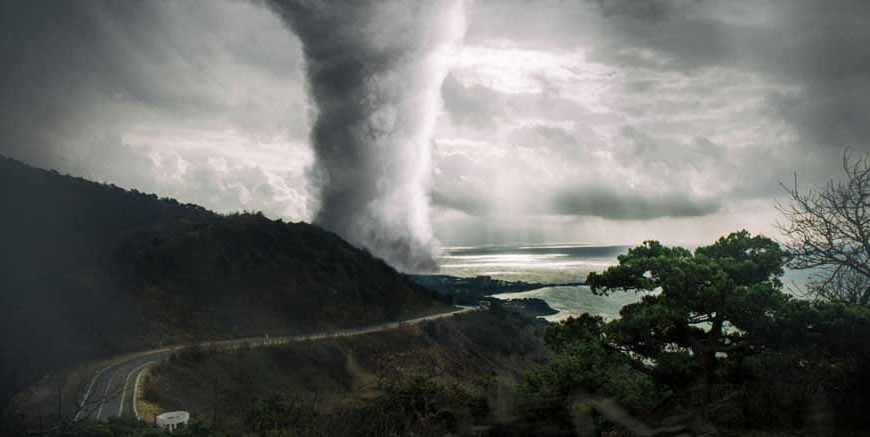
Cyclones are among the most powerful and destructive natural disasters on Earth. They affect millions of people every year, especially in coastal regions, bringing strong winds, heavy rains, floods, and widespread destruction. Understanding what is a cyclone, its characteristics, its effects on the environment and people, and how to stay safe is crucial for students, teachers, and families alike. In this blog, we will explore the meaning of cyclones, key terms, causes, effects, how they form, and safety tips.
What Is a Cyclone?
A cyclone is a large system of rotating winds that forms over warm ocean waters. These winds move in a circular pattern around a low-pressure centre. It is defined as an air mass that rotates around a central area of low pressure, drawing in air from the surrounding regions. Cyclones bring extremely strong winds, heavy rainfall, and storms that can impact both coastal and inland areas.
The cyclone’s meaning in English comes from the Greek word “kyklon”, which means moving in a circle. This makes sense because the winds in a cyclone rotate in a circular motion. In different parts of the world, cyclones are called by different names:
- Cyclone – Indian Ocean and South Pacific
- Hurricane – Atlantic Ocean
- Typhoon – Pacific Ocean
Read More – Healing Effects of Nature
Structure of a Cyclone
A cyclone has three main parts:
1. The Eye
It is the centre of the cyclone. It appears calm, but the storm around it is very dangerous.
2. The Eyewall
It is the most violent part of the cyclone with the strongest winds and heavy rain.
3. Spiral Rainbands
Cloud bands that spiral outward, bringing rain and gusty winds.
Types of Cyclones
Cyclones are classified into different types based on their formation and location:
1. Tropical Cyclones
These are the most common and destructive cyclones. They form over warm tropical oceans and affect coastal regions.
2. Extratropical Cyclones
They occur in temperate regions and are associated with weather fronts. These cyclones affect mid-latitude regions.
3. Polar Cyclones
These form near polar areas due to cold air masses and are smaller in size.
Some Key Terms You Should Know
Before we dive deeper, let’s understand some key terms related to cyclones:
1. Low-Pressure Area
This is the central region of a cyclone where the atmospheric pressure is lowest. Air rushes toward this area, creating strong winds.
2. Eye of the Cyclone
The eye is the calm centre of the cyclone with relatively clear skies and low wind speeds, even though intense destruction is around it.
3. Eyewall
The eyewall surrounds the eye and contains the strongest winds and heaviest rain of the cyclone.
4. Storm Surge
This refers to the abnormal rise in sea level caused by strong winds pushing ocean water toward the coast, often one of the most dangerous aspects of a cyclone.
5. Tropical Cyclone
When cyclones form over warm tropical oceans, they are called tropical cyclones, but in different parts of the world, they might also be called hurricanes or typhoons.
Read More –Top Nature Activities for 2-year-olds
How Are Cyclones Formed?
Cyclones form under specific atmospheric conditions that typically include:
- Warm ocean water (usually above 27°C), which provides energy.
- High humidity in the lower atmosphere supplies moisture.
- Low vertical wind shear allows the storm to develop vertically.
- An existing disturbance or low-pressure area, which initiates the rotation.
When these conditions are present, warm, moist air rises from the ocean surface. As this air ascends, it cools and condenses, forming clouds and releasing latent heat. The heat released fuels the storm, causing more air to rise and intensifying the system. Over time, a low-pressure region forms in a circular pattern, and the winds start to rotate due to the Coriolis effect, forming a cyclone.
Read More – Nature Crafts for Kids
Characteristics of Cyclone
Understanding the characteristics of cyclones helps recognise how these storms behave. These features make cyclones extremely powerful and unpredictable. Some key characteristics include:
- A well-defined eye with calm weather at the centre.
- Strong, spiralling winds around the centre of low pressure.
- Often accompanied by heavy rainfall.
- Can span hundreds of kilometres in diameter.
- Formed over warm ocean waters, particularly in tropical regions.
What Are the Effects of Cyclones?
Cyclones can have devastating effects on the environment, property, and human life. These effects make cyclones one of the most feared natural hazards in many parts of the world. Some of the main impacts are as follows:
1. Strong Winds
The intense winds in a cyclone can uproot trees, damage buildings, tear off roofs, and destroy infrastructure.
2. Heavy Rainfall and Flooding
Cyclones bring torrential rains that can cause widespread flooding in coastal and inland areas. Flood waters often disrupt transportation and destroy crops.
3. Storm Surge
Storm surge, the rising of the sea level above normal, can flood coastal areas, wash away homes, and cause loss of life.
4. Destruction of Property
Cyclones can destroy homes, schools, roads, power lines, and communication networks.
5. Environmental Impact
Uprooted trees, soil erosion, and damaged ecosystems are common after a cyclone passes.
6. Loss of Life and Livestock
In severe cases, cyclones lead to fatalities, impact livestock, and affect livelihoods, especially in farming and fishing communities.
Safety Tips During a Cyclone
Knowing how to stay safe during a cyclone can save lives. These safety steps help protect you and your family during tropical storms or severe weather. Below are some essential safety tips:
Before a Cyclone
- Stay informed and track weather updates from meteorological departments.
- Prepare an emergency kit with essentials like water, food, a torch, batteries, medicines, and important documents.
- Secure outdoor items and reinforce windows and doors.
- Know evacuation routes and safe shelters nearby.
During a Cyclone
- Stay indoors and keep away from windows.
- Follow official instructions and alerts on the radio or TV.
- Do not go outside, even if it seems calm; the cyclone’s eye may be passing.
After a Cyclone
- Do not return home until authorities say it is safe.
- Avoid damaged areas, fallen power lines, and flood waters.
- Help neighbours and check for injuries if safe to do so.
Encouraging Awareness, Care, and Responsibility from an Early Age
Learning about natural events like cyclones helps children develop empathy, responsibility, and care for others. At EuroKids, children are encouraged to understand the importance of helping, staying calm, and listening to adults during emergencies. Group activities, storytelling sessions, and collaborative play help children:
- Learn the value of teamwork
- Understand basic safety habits
- Build emotional resilience
- Develop confidence in real-life situations
This early awareness lays the foundation for thoughtful, responsible behaviour as children grow.
Conclusion
A cyclone is a natural weather event that forms over warm oceans and brings strong winds and heavy rain. By understanding what is a cyclone, its characteristics, and effects, children and young learners can see how powerful and unpredictable nature can be. Learning about the safety measures builds awareness, responsibility, and respect for the environment. When children understand why cyclones happen and how they affect people, they also learn the importance of preparedness, care for others, and staying safe during emergencies.
At EuroKids, learning goes beyond textbooks. Through meaningful conversations, experiential activities, and structured guidance, children are introduced to environmental awareness and safety concepts gently and engagingly. Parents looking to give their child a strong foundation in early learning can explore EuroKids Admission to begin this enriching journey.
For more insightful articles that support early learning, awareness, and child development, parents and educators can explore the wide range of resources available on EuroKids Blogs.
For those interested in being part of this impactful learning ecosystem and contributing to quality early education across communities, EuroKids Franchise opportunities offer a meaningful path forward.
FAQs:
1. What is a cyclone?
A cyclone is a powerful rotating storm that forms over warm ocean waters and moves around a low-pressure centre. It brings strong winds, heavy rainfall, and can cause floods and damage.
2. How does a cyclone form?
A cyclone forms when warm, moist air rises over the ocean, creating a low-pressure area. As more air rushes in, the system starts rotating due to Earth’s rotation and grows stronger.
3. What are the main characteristics of a cyclone?
The main characteristics of cyclones include strong rotating winds, heavy rainfall, low pressure at the centre, storm surge, and the presence of an eye and eyewall.
4. Why are cyclones dangerous?
Cyclones are dangerous because of their strong winds, heavy rain, and storm surges, which can destroy buildings, flood large areas, and disrupt daily life.
5. Which areas are most affected by cyclones?
Coastal areas are most affected by cyclones because they experience strong winds and storm surges when the cyclone reaches land.