You celebrate festivals with food, clothes, and family gatherings. Your child enjoys the excitement but often asks a simple question that feels surprisingly difficult to answer: Why do we celebrate this? Many parents experience this moment during Eid al Fitr. Children see sweets, gifts, and joyful greetings, yet they rarely understand the values behind the celebration unless someone explains the story thoughtfully.
Stories help children connect emotions with culture. When you share an eid al fitr story for kids, you give your child more than information. You introduce gratitude, patience, kindness, and empathy through characters and experiences they can imagine. Festivals then stop being events on a calendar and become lessons that shape behaviour.
This guide helps you explain about eid ul fitr for children in a clear and meaningful way. You will learn the history of Eid, the story behind it, its moral lessons, and how you can help your child understand the festival with confidence and curiosity. By the end, you will not only know the Story about Eid ul fitr for kids, but also understand why this celebration holds deep emotional and cultural significance across the world.
What is Eid al-Fitr? A Simple Explanation for Young Minds
Eid al fitr means “Festival of Breaking the Fast.” It marks the end of Ramadan, the ninth month of the Islamic calendar, during which Muslims fast from dawn to sunset as an act of faith and self-discipline.
For children, you can explain it simply. During Ramadan, adults practise patience by avoiding food and drink during the day. They focus on prayer, kindness, and helping others. Eid arrives as a joyful reward after this month of effort and reflection.
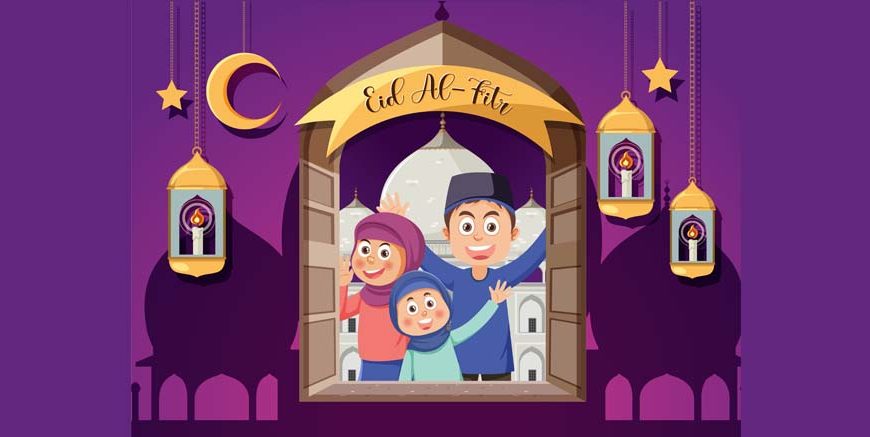
The celebration begins with a special morning prayer performed together in large gatherings. Families then visit relatives, wear new clothes, share meals, and exchange greetings such as “Eid Mubarak,” which means “Blessed Eid.”
Children especially look forward to sweets, celebrations, and small gifts often called Eidi. These traditions help young learners associate faith with joy and generosity rather than restriction. When you explain about Eid ul fitr for children, you help them understand that Eid celebrates gratitude, not just festivity.
Read More – Eid Activities for Kids
The History Behind Eid al-Fitr: Where the Celebration Began
The origins of eid al fitr go back to early Islamic history during the lifetime of Prophet Muhammad in the 7th century. Ramadan gained special importance because Muslims believe the first verses of the Qur’an were revealed during this sacred month, encouraging reflection and spiritual growth.
Fasting during Ramadan became one of the Five Pillars of Islam, guiding believers to practise self-control, honesty, and compassion. The completion of this month naturally led to a day of celebration and thanksgiving. Eid al-Fitr emerged as that moment of collective joy.
Historically, communities gathered after Ramadan to pray together and share food so that everyone, including the less fortunate, could celebrate equally. A charitable donation called Zakat al-Fitr ensures that people in need can participate in Eid festivities.
When you tell children about this history, they begin to see Eid as a celebration built on kindness and fairness. The festival teaches that happiness becomes meaningful when shared with others.
Eid al-Fitr Story for Kids: A Simple and Heartwarming Tale
A young boy named Ayaan watched his family prepare for Ramadan. He noticed his parents waking early before sunrise and praying quietly. Curious, he asked why they fasted. His mother explained that fasting helps people understand hunger and become kinder.
Ayaan could not fast because he was young, but he decided to practise kindness instead. Each day, he shared his toys with his sister, helped set the table, and saved part of his pocket money to donate.
As the month ended, the moon appeared in the sky. Everyone smiled and said Eid had arrived. On Eid morning, Ayaan wore new clothes and went with his family for prayers. After returning home, he gave his saved coins to a charity box.
That evening, while enjoying sweets with relatives, Ayaan realised something important. Eid felt special not because of gifts but because he had learned to care for others.
This Story about Eid ul fitr for kids shows children that small acts of kindness create the real joy of Eid.
Read More – Moral Stories For Kids
Moral Lessons Children Learn from the Story About Eid ul Fitr for Kids
Stories help children translate ideas into behaviour. The Story about eid ul fitr for kids teaches lessons that shape emotional intelligence.
First, children learn gratitude. After observing restraint during Ramadan, families celebrate everyday blessings like food, family, and health.
Second, the story encourages empathy. Experiencing hunger or learning about fasting helps children understand why helping others matters. Studies and cultural teachings highlight that Ramadan promotes compassion and generosity.
Third, children learn patience. Waiting teaches self-control, an essential life skill linked to academic and emotional success.
Finally, the story reinforces sharing. Charity remains central to Eid celebrations because joy becomes complete only when everyone participates.
When you discuss these lessons openly, your child begins to practise kindness naturally rather than following instructions mechanically.
Ramadan and Fasting: Helping Children Understand the Preparation for Eid
Ramadan forms the foundation of eid al fitr. During this month, Muslims fast from sunrise to sunset to strengthen discipline and spiritual awareness.
You can explain fasting to children as a training period for the heart and mind. People avoid not only food but also negative behaviour such as anger, gossip, or dishonesty. The goal involves becoming a better person.
Children usually do not fast fully before puberty, but they participate through small acts such as helping prepare meals, praying, or performing good deeds.
By understanding Ramadan, children see Eid as a meaningful conclusion rather than an isolated celebration. They recognise that happiness often follows effort and reflection.
Eid Traditions Around the World: A Celebration of Unity
Although cultures differ, people celebrate eid al fitr with shared values worldwide. Families begin the day with communal prayers. Afterwards, homes fill with visitors, laughter, and festive meals.
In many countries, children wear new clothes and receive gifts or money. Special desserts symbolise joy after fasting, which is why some communities call it “Sweet Eid.”
People greet neighbours, visit relatives, and remember loved ones who have passed away. Decorations, lanterns, and lights create a welcoming atmosphere in homes and streets.
These traditions show children that celebrations connect communities across cultures. Despite differences in food or clothing, the spirit of gratitude and togetherness remains universal.
Why Festivals Like Eid Help Build Emotional Intelligence in Children
Festivals offer powerful learning experiences beyond textbooks. When children participate in cultural celebrations, they develop empathy, social confidence, and communication skills.
Research on early childhood learning shows that storytelling and shared rituals strengthen memory and emotional understanding. Festivals allow children to observe cooperation, generosity, and respect in real-life situations.
Through an eid al fitr story for kids, children learn that actions carry meaning. Giving charity teaches responsibility. Greeting elders teaches respect. Sharing meals encourages belonging.
These experiences build emotional awareness, which educators consider essential for holistic development.
Teaching Inclusivity Through Eid Celebrations in Early Childhood
Learning about festivals like eid al fitr encourages inclusivity. When children understand different traditions, curiosity replaces misunderstanding.
You can help your child appreciate diversity by discussing similarities between festivals. Many celebrations across cultures emphasise gratitude, family bonding, and kindness.
Exposure to diverse traditions prepares children for a global society. They learn to respect differences while recognising shared human values. This understanding nurtures empathy and social harmony from an early age.
How EuroKids Makes Festivals Meaningful for Your Child
At EuroKids, festivals become learning experiences rather than symbolic celebrations. Educators introduce children to cultural stories through storytelling, art activities, music, and group discussions that make learning interactive and memorable.
Children explore the meaning behind celebrations while developing creativity and communication skills. The Heureka Curriculum supports experiential learning by helping children understand values through real-life experiences and guided exploration.
Such approaches ensure children connect emotionally with traditions instead of memorising information.
Conclusion
When you explain about eid ul fitr for children through stories and conversations, you give your child a deeper connection to culture and values. Eid teaches gratitude after effort, generosity after reflection, and joy through sharing.
A meaningful eid al fitr story for kids helps your child understand that celebrations carry purpose. They remind us to care for others, appreciate blessings, and strengthen relationships.
If you want your child to grow in an environment that combines cultural awareness with joyful learning, explore EuroKids Preschool Admission opportunities near you. You can also visit the EuroKids Blog section for thoughtfully designed stories and parenting resources that support early childhood development.
Every festival becomes meaningful when a child understands its heart.
Frequently Asked Questions
1. What is Eid al-Fitr in simple words for kids?
Eid al-Fitr celebrates the end of Ramadan, a month when Muslims practise fasting, kindness, and prayer. It is a day of gratitude, family gatherings, and sharing happiness.
2. Why do Muslims celebrate Eid after Ramadan?
Eid marks the successful completion of fasting and spiritual growth during Ramadan. It celebrates patience, discipline, and compassion developed during the month.
3. What lessons does an eid al fitr story for kids teach?
It teaches gratitude, empathy, sharing, patience, and respect for others through relatable storytelling.
4. How can parents explain about eid ul fitr for children easily?
Use simple stories, discuss kindness and charity, and involve children in celebrations such as giving gifts or helping others.
5. What activities help children understand Eid better?
Storytelling, making greeting cards, sharing sweets, and learning greetings like “Eid Mubarak” help children connect emotionally with the festival.