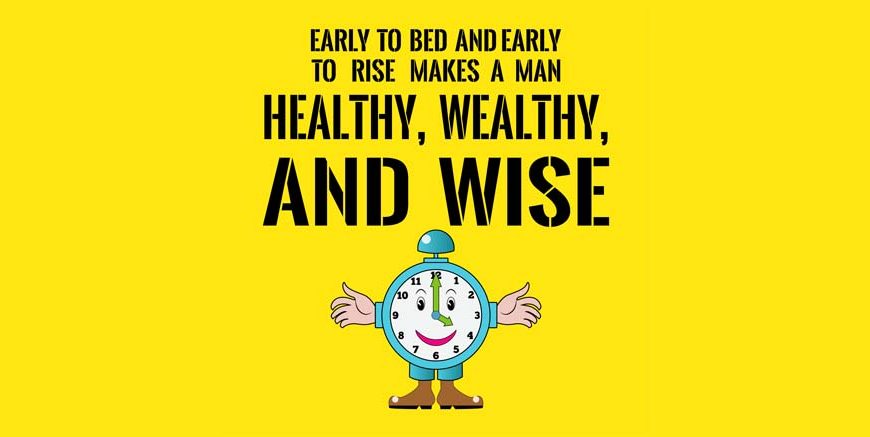
Nursery rhymes play an important role in early childhood learning. They help children develop language skills, memory, rhythm, and pronunciation. One popular rhyme that teaches children healthy habits is “Early to Bed”. This rhyme is based on the famous saying “Early to bed, early to rise”, which encourages children to follow a good daily routine.
The rhyme teaches an important life lesson: going to sleep early and waking up early helps children stay healthy, active, and ready to learn. Parents and teachers often use the “Early to bed, early to rise” poem to introduce young learners to the importance of discipline and healthy habits.
In this article, we will explore the poem “Early to bed,” its lyrics, meaning, benefits, and ways to teach it to children.
“Early to Bed, Early to Rise” Lyrics
The famous nursery rhyme and quote go like this:
“Early to bed and early to rise,
Makes a person healthy, wealthy, and wise.”
This short rhyme is easy for children to remember. It is one of the most well-known sayings used to encourage good sleep habits.
The “Early to bed, early to rise” poem is often recited in classrooms and homes as a reminder that healthy routines help people succeed in life.
Read More – Nursery Rhymes For Kids with Lyrics
Meaning of the Early to Bed, Early to Rise Poem
The line “early to bed, early to rise” carries an important message about maintaining a healthy lifestyle.
Healthy
Sleeping early and waking up early helps the body stay strong and active.
Wealthy
People who follow disciplined routines are often more productive and successful.
Wise
Good habits and proper rest help the mind stay focused and alert.
The “Early to bed, early to rise” poem teaches children that small daily habits can lead to a happy and successful life.
History of the Early to Bed Quote
The famous line “early to bed and early to rise makes a person healthy, wealthy, and wise” is often attributed to the American statesman Benjamin Franklin.
Benjamin Franklin included this saying in his writings in the 18th century. Over time, it became a popular proverb used around the world.
Today, the early to bed, early to rise quote is widely taught to children as part of early learning and moral education.
In India, parents and teachers often use this rhyme to encourage children to maintain healthy sleeping habits.
Read More – Bedtime Stories for Kids
Why Nursery Rhymes Are Important for Children
Nursery rhymes like the “Early to bed” poem play a significant role in childhood development.
Improves Language Skills
Rhymes help children learn new words and understand sentence patterns.
Builds Memory
Repeated lines, such as early to bed, early to rise help children remember phrases easily.
Teaches Good Habits
The rhyme introduces children to the importance of discipline and healthy routines.
Encourages Listening Skills
Listening to rhymes helps children improve their attention and comprehension.
Because of these benefits, nursery rhymes remain an important part of preschool education around the world.
Benefits of Sleeping Early and Waking Up Early
Better Health
Children who go to bed early get enough rest, which helps their bodies grow and stay healthy.
Improved Concentration
Proper sleep helps children stay focused in school.
More Energy
Waking up early allows children to start the day with energy and enthusiasm.
Time for Activities
Early mornings give children time for exercise, reading, or playing outdoors.
These benefits explain why the “Early to bed, early to rise” poem has been passed down through generations.
Early to Bed in Indian Daily Life
In many Indian households, parents encourage children to go to bed early and wake up early.
For example:
- Children often wake up early to prepare for school.
- Morning routines may include exercise, yoga, or prayer.
- Families believe that early mornings are peaceful and productive.
These practices reflect the wisdom behind the early to bed and early to rise philosophy.
Early Rising Around the World
The concept of early rising is valued in many cultures around the world.
In Japan
Children often start their day early with school activities and morning exercises.
In European Countries
Many families follow early morning routines that include breakfast and outdoor activities.
In the United States
The saying early to bed, early to rise is commonly taught to children as part of character education.
Across cultures, waking up early is associated with productivity and discipline.
Teaching the Early to Bed Rhyme to Kids
Parents and teachers can make learning the early to bed poem fun and engaging.
Recitation
Encourage children to repeat the rhyme aloud.
Storytelling
Explain the meaning of the rhyme through simple stories about daily routines.
Role Play
Children can act out bedtime and morning routines while reciting the rhyme.
Drawing Activities
Kids can draw pictures depicting bedtime and early-morning activities.
These activities help children remember the rhyme and understand its message.
Read More – Nursery Rhymes for Toddlers and Preschoolers
Daily Routine Inspired by the Early to Bed Poem
The message of “early to bed, early to rise” can help children develop a healthy daily routine.
Evening Routine
- Finish homework early
- Have dinner with family
- Read a story before bedtime
Morning Routine
- Wake up early
- Brush teeth and get ready
- Exercise or stretch
- Eat a healthy breakfast
Following this routine helps children stay organised and active.
How EuroKids Builds Strong EVS Foundations
When Environmental Studies (EVS) is introduced through observation, storytelling, nature walks, and hands-on exploration, young learners begin to understand their surroundings in a meaningful and lasting way. Instead of memorising facts about plants, animals, or seasons, children learn by experiencing and questioning the world around them. This is why structured early education programs focus on experiential and inquiry-based learning rather than rote memorisation.
At EuroKids, foundational EVS concepts are nurtured through the HEUREKA – Visible Thinking Curriculum. This approach encourages children to explore themes such as “My Family,” “My Community,” “Plants and Animals,” “Seasons and Weather,” and “Good Habits” through interactive discussions, thematic projects, role play, outdoor exploration, and guided observation.
The Visible Thinking framework helps children observe carefully, think deeply, and express their ideas confidently. Through activities like nature-based learning, environmental awareness projects, sensory exploration, and group conversations, children develop curiosity about how things grow, how communities function, and how they can care for the environment.
With a child-centric, play-based methodology refined over 20+ years and implemented across 1,600+ preschools, EuroKids focuses on building awareness, responsibility, and curiosity first, allowing knowledge, empathy, and critical thinking skills to develop naturally over time.
Activities Based on the Early to Bed Rhyme
Creative activities help reinforce the rhyme’s lesson.
Bedtime Chart
Create a chart that reminds children when to sleep and wake up.
Healthy Habits Poster
Children can draw posters showing the benefits of going to bed early and rising early.
Classroom Discussion
Teachers can ask students about their morning routines.
Story Writing
Students can write a short story about a child who wakes up early and has a productive day.
These activities make learning more interactive and enjoyable.
Why the Early to Bed Poem Is Still Relevant
Even in modern times, the message of this poem remains important.
Today, many children spend time on digital devices late at night, which can affect their sleep patterns. The rhyme reminds children of the importance of maintaining healthy habits.
Getting enough sleep helps children grow, learn better, and stay energetic throughout the day.
The timeless message of early to bed, early to rise continues to guide families and educators in promoting healthy lifestyles.
Conclusion
The nursery rhyme “Early to Bed” teaches an important life lesson about maintaining healthy habits. The famous line “early to bed and early to rise makes a person healthy, wealthy, and wise” encourages children to develop discipline and good routines.
Through simple words and rhythm, the “Early to bed” poem helps children understand the value of sleep, health, and productivity. Parents and teachers can use this rhyme to encourage children to follow a balanced daily routine.
By adopting the habit of going to bed early and waking up early, children can stay active, focused, and ready to achieve their goals.
To explore more learning ideas, simple explanations, and early childhood resources, parents can visit the EuroKids Blog. Those who wish to understand the preschool journey better or explore enrolment options can find complete information on the EuroKids Preschool Admission
Page, where learning is joyful, engaging, and child-friendly.