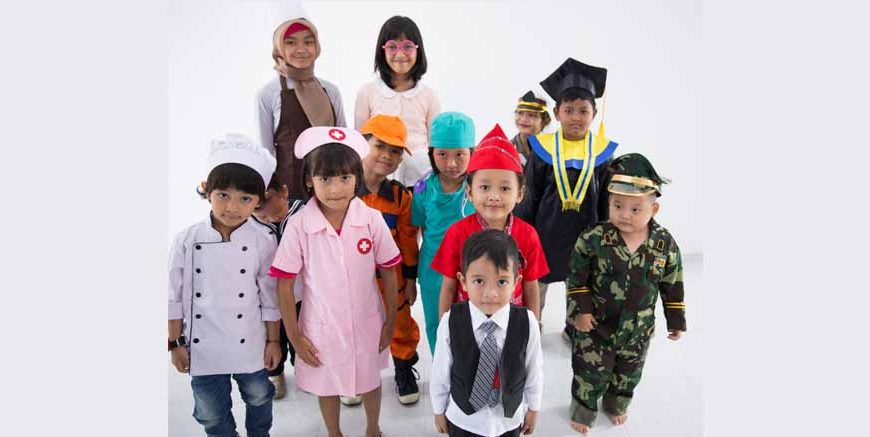
Every neighborhood operates smoothly because of the hardworking individuals working behind the scenes. When a child looks out the window, they see delivery trucks dropping off packages, police cars patrolling the streets, and street sweepers cleaning the sidewalks. These are the friendly faces that keep our daily lives safe and highly organized. Teaching preschoolers about these vital roles builds empathy, respect, and a strong sense of belonging in their local area. Let us break down exactly how to introduce these everyday heroes to your young learners in a fun and engaging way.
What is a Community Helper? (Understanding the Community Helpers Meaning)
To start the conversation, you must define the concept using very simple words. If your child asks, what is a community helper, you can explain that it is any grown-up whose daily job is to assist others, keep the neighborhood perfectly safe, and make sure everything runs properly.
To fully explain the community helpers meaning to a curious preschooler, you can tell them, “These are the friendly people who fix our pipes when they break, heal our bodies when we feel sick, and protect us from danger.” They are the real, living superheroes of our towns.
Everyday Superheroes: People Who Help Us
Children learn best by pointing out the things they can see. The next time you walk down the street, point out our helpers doing their jobs. Building a vocabulary around the people who help us is a great way to make them feel safe. Here are a few important social helpers you can discuss together:
- Doctor and Nurse: They check our heartbeats, listen to our breathing, and give us medicine when we have a bad fever to make us feel better.
- Police Officer: They blow their whistles to make sure everyone follows the safety rules and help people who are lost find their way home.
- Firefighter: They wear thick, heavy coats to put out dangerous fires and rescue families from emergencies using giant red trucks.
- Farmer: These workers wake up before the sun rises to plant seeds and grow the fresh fruits and vegetables we eat for dinner.
Read More – Importance of Regular Health Checkups for Children
Spotlighting People Who Help Us In School
The classroom is a child’s very first mini-neighborhood outside of their own house. It is the perfect place to point out the people who help us in school.
- Teacher: They read colorful storybooks, teach us how to count numbers, and show children how to be kind and share toys with their friends.
- Bus Driver: They safely drive the big yellow bus through heavy morning traffic so children can get to class perfectly on time.
- Custodian or Sweeper: They sweep the dusty floors, empty the trash, and keep the playground completely safe and clean for running.
Creating a Fun People Who Help Us Chart
Visual learning is always the absolute best method for preschoolers. A highly effective activity to do at home is to create a bright people who help us chart.
Grab a large piece of cardboard and some safety scissors. Help your child cut out pictures from old magazines showing different workers and the specific tools they use. You can ask your child to draw a matching line from a shiny stethoscope to a doctor, a thick water hose to a firefighter, and a white envelope to a postman. This hands-on activity turns abstract job titles into real, memorable pictures.
Read More – Discover Your Child’s Learning Style
Conclusion
To sum up our lesson today, teaching young children about community helpers does a lot more than just expand their daily vocabulary. It shows them that the world is a giant, connected web of people who rely heavily on each other. When a child waves happily at the garbage collector or says a polite thank you to the school bus driver, they are actively learning the true value of human respect. It reminds us all that no matter what specific job we do, the most important thing we can build is a supportive, caring neighborhood.
To read more fun and educational articles, check out the EuroKids Blog, and visit our website for details on EuroKids Preschool Admission.
FAQs
How do I explain jobs my child never sees in person?
You can read colorful picture books about those specific roles together, like a brave pilot flying a commercial airplane or a sailor steering a ship.
Should children learn about dangerous jobs like firefighting?
Keep the conversation very gentle. Focus entirely on the “helping” and “safety” aspects of the job, rather than focusing on the scary parts of an emergency.
Can I invite a local helper to talk to my child?
Yes! Simply saying a friendly hello to the local postman or thanking the grocery store cashier shows your child how to interact politely with the workers in your area.