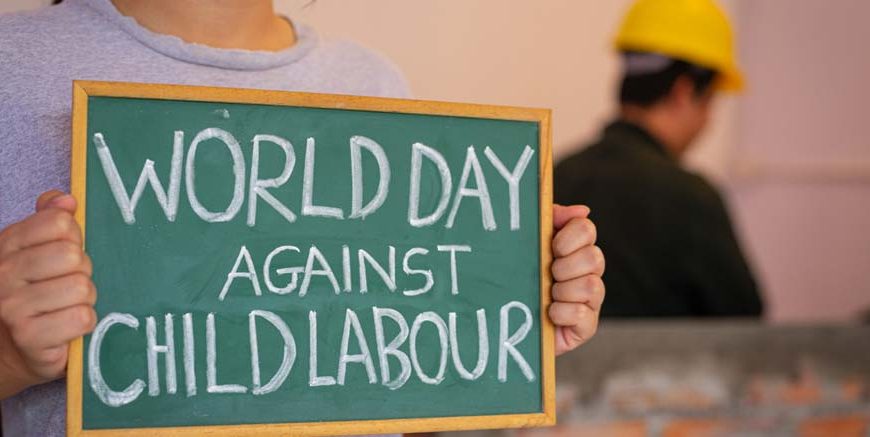
Children are naturally curious about the world around them. They ask questions, notice differences, and try to understand why some children go to school while others may not. Topics like child labour can feel complex, but when explained simply, they help children develop empathy, awareness, and responsibility. The World Day Against Child Labour is observed every year on June 12 to raise awareness about children who are forced to work instead of learning and playing. This guide will help parents, teachers, and caregivers explain the concept of child labour to young children in a sensitive and meaningful way.
What is Child Labour?
Child labour refers to work that takes away a child’s childhood, education, and well-being. It is different from small household chores or occasional help for parents. Child labour usually involves:
- Working long hours
- Missing school
- Doing unsafe or difficult jobs
- Not having time to play or rest
Read More – Teaching Self Awareness to Children
Why Do Children Need to Learn About Child Labour?
When children learn about such issues early, they grow up with awareness and compassion. Talking to children about child labour helps them:
- Understand fairness and kindness
- Develop empathy for others
- Learn the importance of education
- Become responsible global citizens
Explaining Child Labour to Kids in a Simple Way
Children between the ages of 3 and 8 understand concepts better through stories, examples, and comparisons. Here’s how you can explain child labour to them:
- Use simple language: Explain that every child deserves to go to school and play.
- Give relatable examples: Compare their daily routine with that of a child who has to work.
- Encourage questions: Let children ask and express their thoughts.
- Avoid fear: Keep the tone informative and gentle rather than alarming.
For example, you can say:
“Some children have to work instead of going to school, and that is not fair because every child deserves to learn and play.”
Read More – History & Significance of Labour Day
Difference Between Helping and Child Labour
It’s important for children to understand that helping at home is not the same as child labour.
Helping at Home
- Cleaning toys
- Helping parents with small tasks
- Assisting in simple chores
Child Labour
- Working long hours
- Missing school
- Doing dangerous work
Causes of Child Labour
Child labour occurs for several reasons. Explaining these in simple terms can help children understand the issue better:
- Poverty: Families may need extra income
- Lack of education: Some children don’t have access to schools
- Social issues: Unfair systems and lack of awareness
- Emergencies: Natural disasters or family problems
Effects of Child Labour on Children
Child labour affects children in many ways:
- Loss of education: Children miss out on learning
- Health problems: Hard work can harm their bodies
- Emotional stress: Lack of play and rest affects mental health
- Limited future opportunities: Without education, future options become limited
Role of World Day Against Child Labour
The World Day Against Child Labour plays an important role in raising awareness worldwide. This day reminds everyone that every child deserves a safe and happy childhood. On this day:
- Schools conduct awareness activities
- Organisations share information
- Communities discuss ways to help
- People come together to support children’s rights
Activities to Teach Kids About Child Labour
Children learn best through interactive activities. Here are some simple ways to teach them:
1. Storytelling
Tell stories about children who go to school and those who cannot. This helps children understand the difference.
2. Drawing and Posters
Encourage children to draw pictures showing children learning, playing, and being happy.
3. Role Play
Let children act out different roles, such as students, teachers, or helpers, to understand the importance of education.
4. Group Discussions
Ask simple questions like:
“Why is school important?”
“What makes children happy?”
5. Watching Educational Videos
Short videos can help children visualise and better understand the topic.
Read More – Fun Literacy Activities for Preschoolers
Teaching Values Along with Awareness
Children should learn not just about the problem, but also about how to treat others with care and understanding. While explaining child labour, it’s important to focus on values such as:
- Kindness
- Sharing
- Respect
- Equality
How Parents and Teachers Can Guide Children
Adults play a key role in shaping children’s understanding. Children learn by observing adults, so leading by example is very important. Here are some tips:
- Speak honestly but gently
- Encourage empathy rather than pity
- Use real-life examples carefully
- Reinforce positive actions like helping others
Building Awareness Through Everyday Conversations
You don’t always need a formal lesson to teach children about child labour. Everyday moments can be used to build awareness:
- While reading books
- During family discussions
- While watching the news (with explanation)
- During school activities
These small conversations help children gradually understand big ideas.
How EuroKids Supports Awareness and Values
At EuroKids, children are taught important life values along with academic concepts. Topics like fairness, kindness, and empathy are introduced through stories, activities, and group discussions.
Teachers create a safe environment where children can ask questions and express their thoughts. Through simple examples and interactive learning, children understand concepts such as child labour in an age-appropriate way. This approach helps children develop emotional intelligence and social awareness from an early age.
The HEUREKA Curriculum at EuroKids
The HEUREKA Curriculum at EuroKids focuses on experiential and discovery-based learning. The word “HEUREKA” represents the joy of finding and understanding something new.
Through this curriculum, children:
- Learn by doing and exploring
- Participate in storytelling and role play
- Engage in group activities and discussions
- Develop empathy and communication skills
When topics like child labour are introduced, children are encouraged to think, ask questions, and understand the importance of fairness and equality. This method ensures that children not only learn facts but also develop values that shape their character.
Conclusion
Helping children understand child labour is not about sharing difficult realities harshly; it is about building awareness, empathy, and kindness. By explaining the concept in simple terms, using stories, and encouraging discussions, we can help children understand the importance of education and a safe childhood.
The World Day Against Child Labour reminds us that every child deserves to learn, play, and grow in a healthy environment. When children understand this early, they grow into responsible individuals who care about others. With the right guidance, activities, and learning environment, children can develop a strong sense of compassion and awareness that lasts a lifetime.
Parents looking to give their child a strong foundation in early learning can explore EuroKids Preschool Admission to begin this enriching journey.
For more insightful articles that support early learning, awareness, and child development, parents and educators can explore the wide range of resources available on EuroKids Blogs.
For those interested in being part of this impactful learning ecosystem and contributing to quality early education across communities, EuroKids Preschool Franchise opportunities offer a meaningful path forward.
Frequently Asked Questions (FAQs)
1. What is child labour in simple words?
Child labour is when children are forced to work in ways that affect their education, health, and childhood.
2. Why is child labour harmful?
It prevents children from attending school, harms their health, and limits their future opportunities.
3. How can we explain child labour to kids?
Use simple language, relatable examples, and stories to help children understand the concept gently.
4. What is World Day Against Child Labour?
It is an international awareness day observed on June 12 to highlight the issue of child labour.
5. How can children help raise awareness?
Children can create posters, participate in discussions, and learn about kindness and fairness in everyday life.