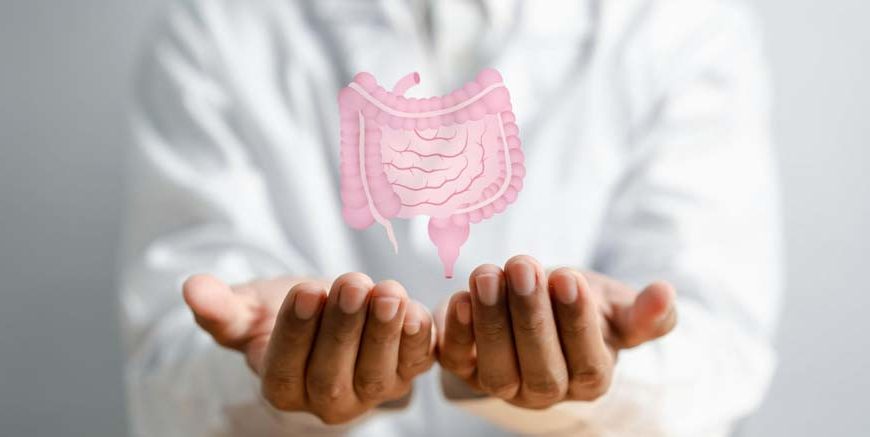
Every living creature is a walking puzzle of biology. From the sharp teeth of a lion to the long neck of a giraffe, almost every single body part has a very clear and obvious job. But hidden deep inside the belly of humans and several other animals sits a tiny, worm-like tube that confused top doctors and scientists for hundreds of years.
For a very long time, people thought this tiny pouch was just a useless leftover piece from millions of years ago. Today, science tells us a completely different story. We are going to open up the biology books to explore this fascinating little organ. We will learn its true purpose, see how it helps us stay healthy, and discover why certain plant-eating animals rely on it to survive.
The Hidden Pouch: What is Appendix?
To start our biology lesson, we must define what is appendix exactly. In medical terms, it is a small, finger-shaped pouch connected to the large intestine. It is normally about two to four inches long.
If we want to understand the anatomy and physiology of appendix, we have to look at a map of the human belly. Anatomy means where a body part is located and what it looks like. When you eat food, it travels down into your stomach, then moves through a long, twisting tube called the small intestine. After that, the food empties into a thicker tube called the large intestine. The appendix sits perfectly at the exact crossroads where the small and large intestines meet, located in the lower right side of your belly.
Physiology simply means how a body part actually works. For many years, doctors believed this pouch did absolutely nothing. They noticed that if a person got sick and a surgeon removed the pouch, the person lived a perfectly normal, healthy life. This made the organ a giant medical mystery.
Read More – What are the Organs in the Human Body?
The Bacterial Safe House: Appendix in Human Body
So, what changed? Modern scientists finally discovered the secret appendix function. Your gut is filled with trillions of tiny, invisible bugs called bacteria. Most people hear the word “bacteria” and immediately think of sickness. However, the bacteria in your digestive system are actually “good” bugs. They work like tiny factory workers, breaking down your food and protecting your stomach from bad germs.
When we ask, what is the function of the appendix, we have to look at what happens when a person gets a terrible stomach bug. When you get a bad stomach infection, your body flushes everything out quickly to get rid of the bad germs, which causes diarrhea. Unfortunately, this heavy flushing also washes away all your good factory workers!
This is exactly where the use of appendix in human body becomes incredibly important. Scientists now believe this tiny tube acts as a safe house. During a bad stomach illness, a small group of good bacteria hides safely inside this narrow pouch. Once the sickness passes and the intestines are empty, these good bugs come out of hiding. They quickly multiply and refill the entire gut, helping you digest your food normally again. Therefore, the main function of appendix in human body is to reboot your digestive system after a severe illness.
Read More – Symptoms of Food Poisoning in Kids
A Different Story: Appendix in Animals
While humans use it as a tiny backup drive for good bugs, the appendix in animals tells a much larger and more complex story. Not all animals have one, and the ones that do use it in very different ways.
When we study the animals appendix, we see a huge difference between animals that eat meat (carnivores) and animals that eat only plants (herbivores). Plants are actually very tough to digest. Leaves, grass, and tree bark contain a tough material called cellulose. Human stomachs cannot digest thick grass, but animals like rabbits, horses, and koalas eat it every single day.
To survive on a diet of tough leaves, plant-eating animals have a massive digestive section called the cecum, and the appendix is attached directly to it. In these animals, this section acts as a giant fermentation tank.
The animal chews the tough leaves and swallows them. The chewed leaves sit inside this large pouch for a very long time. Millions of special bacteria break down the tough plant fibers, turning the hard leaves into soft, usable energy. Without this massive digestive pouch, a koala would starve to death because it could never pull the nutrients out of its favorite eucalyptus leaves.
Read More – How Do Animals Adapt?
Comparing Diets and Digestion
To make studying this biology topic simple, let us look at a table comparing how different diets affect the size and use of this organ across the animal kingdom.
|
Animal Type |
Main Diet |
Size and Function of the Pouch |
|
Herbivores (Rabbits, Koalas) |
Only tough plants, grass, and thick leaves. |
Extremely large and highly active. It is absolutely necessary to break down tough plant fibers so the animal gets enough daily energy. |
|
Omnivores (Humans, Apes) |
A mix of soft plants, cooked food, and meat. |
Very small and finger-shaped. It does not break down tough food, but it stores good bacteria to keep the immune system strong. |
|
Carnivores (Tigers, Wolves) |
Only raw meat. |
Extremely tiny or completely missing. Meat is very easy for stomach acid to digest, so a big fermentation tank is totally unnecessary. |
Conclusion
To summarize our biological exploration, the appendix is much more than a useless piece of tissue. In the human body, this tiny, finger-shaped tube acts as a brilliant safe house, protecting good bacteria during stomach illnesses so our digestive system can heal quickly. In the wider animal kingdom, especially for herbivores, it works as part of a massive, vital engine that breaks down tough plant material, keeping animals like koalas and rabbits alive and healthy.
As you finish learning about this hidden pouch, it leaves you with a deeply thought-provoking idea. Nature rarely makes permanent mistakes. Even when we look at a tiny body part and think it serves absolutely no purpose, we are usually just missing the full picture. Our bodies, and the bodies of the animals around us, hold secrets that took millions of years to build. It teaches us that science is a never-ending journey of asking questions, looking closer, and finally respecting the silent, hard work happening right inside our own bellies.
FAQs
Can a person live normally without an appendix?
Yes, absolutely. If it gets infected and a doctor removes it, your body simply learns to rebuild its good bacteria without the safe house, and you can live a completely normal, healthy life.
Why does it sometimes get infected in humans?
Because it is a very narrow tube, a tiny piece of hard food or hardened waste can get stuck inside the opening. This blockage traps bacteria inside, causing it to swell up and become highly infected.
Do dogs and cats have an appendix?
No, they do not have a true appendix like humans do. Because they are natural meat-eaters, their digestive tracts are designed differently, though they do have a very tiny, mostly inactive pouch called a cecum.
Does the size of the organ change as an animal grows?
In humans, it actually shrinks a little bit as we get older! It is highly active in young children to help build their brand new immune systems, but it becomes less important as adults grow older.