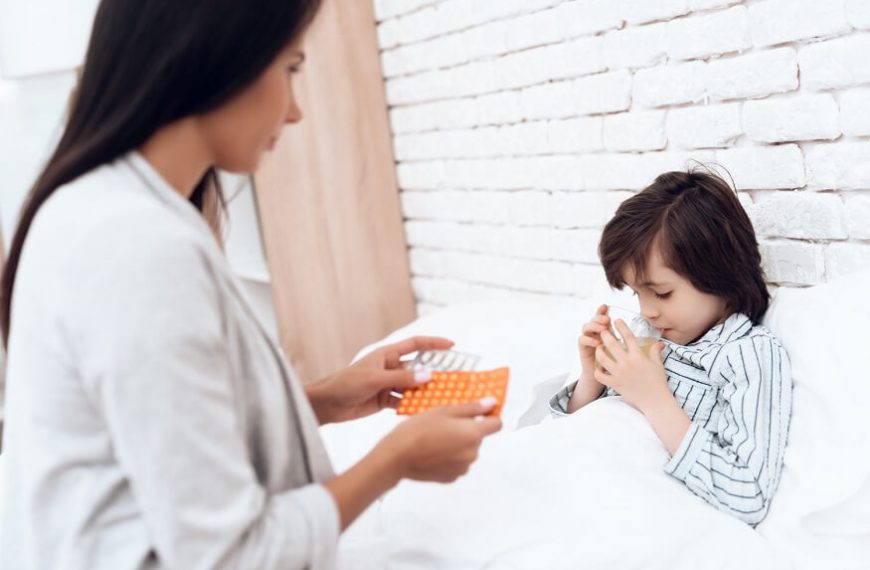
Administering medicine to a toddler can feel like embarking on an epic quest filled with unexpected twists and turns. We are sure about the fact that you must have at least wondered about how to give medicine to a baby who refuses! Their uncanny ability to detect the faintest hint of medication and their refusal to cooperate can leave even the most patient parents perplexed. But fear not, weary parents! In this blog post, we will explore six doctor-approved parent hacks to help you get toddlers to take medicine! So, gather your tools, summon your patience, and let’s embark on this journey together.
6 Tips for Giving Medicine to Your Toddler
1. Timing is Everything
Timing plays a crucial role in successfully giving medicine to your toddler. Instead of catching them off guard during a busy moment, choose a moment when they are most relaxed and receptive. For example, after a nap or during playtime, when they are engrossed in their favourite activity. By aligning the medicine administration with their natural rhythms, you increase the likelihood of a smooth process.
Imagine this: Your toddler has just woken up from a peaceful slumber, and you seize the opportunity to give them their medicine while they’re still drowsy. Their relaxed state makes them more likely to cooperate, and before they fully realise what’s happening, the deed is done.
2. Get Creative with Administration
Toddlers are notorious detectives when it comes to unfamiliar tastes and textures. So, it’s time to unleash your creativity and outsmart their vigilant taste buds. Mixing the medicine with a small amount of their favourite food or beverage can work wonders. For instance, you can blend it into a spoonful of applesauce, stir it into a fruit smoothie, or disguise it in a tasty popsicle. Tell us, isn’t it one of the best ideas to give toddler medicine? Remember to check with your paediatrician or chemist to ensure that the medication and the food or drink are compatible.
Picture this: Your little one loves slurping on a cool strawberry smoothie. You discreetly mix their prescribed dose into the smoothie, ensuring the taste remains undetectable. They happily gulp down the delicious concoction, oblivious to the fact that they’ve just taken their medicine.
3. The Art of Distraction
When it comes to giving medicine to toddlers, distraction is your secret weapon. Engage your child’s attention with captivating stories, interactive toys, or their favourite animated show. While they are absorbed in the enchantment of the moment, they subtly administer the medicine without drawing undue attention to it. The element of surprise, combined with their focus on the distraction, can help you successfully navigate this challenge. You will agree that this is one of the best ideas to give toddler medicine, right?
Visualise this: Your toddler is engrossed in a lively puppet show, captivated by the colourful characters and their animated voices. As their favourite puppet performs a hilarious dance routine, you skillfully seize the moment and deliver the medicine. The diversion ensures they barely notice the medicine, making the entire process seamless.
4. Be a Role Model
Toddlers are keen observers and love imitating their parents. Take advantage of this natural inclination and turn medicine administration into a shared activity. Demonstrate how to take medicine by pretending to swallow a spoonful yourself. Make it a playful game by exaggerating your reaction and rewarding yourself with a silly dance or a big smile. Once your child sees you enjoying the experience, they may be more inclined to follow suit.
Envision this: You hold up two spoons, one filled with water and the other with the medicine. You take the spoonful of water, pretending it’s medicine, and dramatically gulp it down with a dramatic “Ahh!” Your toddler giggles at your playful antics and willingly mimics your actions, thinking it’s a fun game. Little do they know, they’ve just taken their medicine with a smile.
5. Temperature Matters
The temperature of the medicine can significantly influence your toddler’s willingness to take it. Some medications taste better when chilled, while others are more palatable at room temperature. Experiment to find the temperature that works best for your child. If necessary, consult your pharmacist about flavouring options that might make the medicine more appealing to your little one.
Imagine this: Your toddler is sensitive to cold drinks but loves sipping lukewarm herbal tea. With your paediatrician’s guidance, you mix their medicine into a small cup of warm tea. The pleasant temperature masks the medicine’s taste, and your little one happily drinks it down without any resistance.
6. Praise and Reward
Positive reinforcement goes a long way in motivating toddlers to take their medicine. If you ask us, this is one of the best tricks to give medicine to toddlers. Shower your child with praise and rewards for their cooperation. Create a sticker chart where they can earn a sticker for each successful administration. When they accumulate a certain number of stickers, celebrate their achievement with a special treat or outing. The anticipation of a reward can motivate them to participate willingly during future medication episodes.
Picture this: Your toddler proudly places a shiny sticker on their chart after taking their medicine without any fuss. As the stickers accumulate, they eagerly look forward to a trip to the park, a favourite toy, or a fun family outing. The promise of these rewards transforms medical time into a positive experience for both of you.
Read More – How to Reduce Fever in Children Naturally
=
Helpful Tools That Make Medicine Easier
1. Oral Syringes
Oral syringes often make medicine easier to administer than spoons because they provide accurate dosing and better control.
2. Medicine Cups
Medicine cups work well for older toddlers who are learning to drink independently.
3. Dosing Spoons
These specially designed spoons can make liquid medicines easier to swallow.
Mistakes Parents Should Avoid
When giving medicine to toddlers, avoid these common mistakes.
1. Never Force Medicine
Forcing medicine into a struggling child may increase anxiety and the risk of choking.
2. Never Mix Medicine Without Advice
Not every medication can be safely mixed with food or drink.
3. Don’t Call Medicine “Candy”
Describing medicine as candy can encourage accidental poisoning if children try to find medicines later.
4. Always Follow the Prescribed Dose
Never increase or decrease the dose without consulting your healthcare provider.
Read More – Effective Parenting Strategies for Babies
How EuroKids Supports Children’s Health and Well-Being
At EuroKids, children’s health and emotional well-being are integral to their overall development. Teachers create nurturing environments where children feel safe, secure, and confident as they learn healthy habits through play-based experiences. By partnering with parents and encouraging routines that support children’s physical and emotional growth, EuroKids helps lay the foundation for lifelong healthy habits.
Conclusion
Administering medicine to a resistant toddler may feel like an uphill battle, but armed with these doctor-approved parent hacks, you can transform it into a manageable and even enjoyable experience. Remember the importance of timing; unleash your creativity with administrative techniques; utilise distraction strategies; be a positive role model; consider the temperature; and reward your child for their cooperation. As always, consult your paediatrician or healthcare provider for specific instructions and guidance.
So, dear parents, embrace these tips and embark on the medicine-administration challenge with confidence. Your unwavering determination, combined with these strategies, will ensure your toddler receives the necessary medication while maintaining peace and harmony in your home.
Remember the importance of toddler health, as your child’s health and well-being are dependent on your love, patience, and resourcefulness. You’ve got this!
And if you’re looking for a fun and educational preschool for your toddler, be sure to check out Eurokids Preschool Admission. Eurokids Preschool is a leading preschool chain in India, with over 1,000 schools nationwide. If you wish to know more about us and our Heureka Curriculum, do head over to the EuroKids centre nearest to your house today!
Disclaimer: Dear parents, I request that you not consider this blog as a substitute for expert medical advice. This blog is purely intended for informational purposes only.
Frequently Asked Questions (FAQs)
1. How can I get my toddler to take medicine without crying?
Try offering medicine when your child is calm, using distractions, providing simple choices, and praising them afterwards for their cooperation.
2. Can I mix medicine with food?
Some medicines can be mixed with small amounts of food or drinks, but always confirm with your paediatrician or pharmacist first.
3. What if my toddler spits out the medicine?
Stay calm and contact your healthcare provider if you’re unsure whether another dose is needed. Do not automatically give an additional dose without medical advice.
4. Should I force my child to take medicine?
No. Forcing medicine may increase anxiety and create negative associations. Gentle encouragement and positive reinforcement are usually more effective.
5. Which is better for toddlers: a spoon or an oral syringe?
An oral syringe is often recommended because it allows more accurate dosing and easier administration, especially for younger toddlers.