Make your little one a rockstar by giving them access to the best instruments for kids. Helping kids learn an instrument requires a lot of patience, but once your child explores their interest in instruments, all you have to do is sit back and enjoy the music.
As parents, we all consistently look to add up a new skill or explore new interests in our kids. Among many others, helping kids learn a musical instrument sounds super cool, right? But it comes with its difficulties, like choosing the best instrument for kids. Helping kids learn an instrument requires time, patience, and a good teacher.
A wide range of musical instruments for kids is available on the market today. But before going out and randomly buying instruments, for kids won’t help.
Learning a musical instrument requires sincere effort and can help you in many ways. Instruments for kids help improve cognitive development, increase creativity, and enhance social skills. It can surely help your kid get that edge in their day-to-day life. In this blog, we explore some practical tips to help you choose the best instruments for kids and create a positive introduction to music.
Why Should Children Learn a Musical Instrument?
Learning an instrument can offer children more than just musical skills. Regular practice can encourage concentration, patience, and discipline, while playing music gives children an opportunity to express themselves creatively.
Depending on the child’s age and learning environment, musical activities may also encourage listening skills, coordination, and confidence. Group music sessions can further give children opportunities to interact and collaborate with others. The key is to keep the experience enjoyable. Children are more likely to develop an interest in music when they are encouraged to explore rather than pressured to become proficient quickly.
Read More – Creative Activities for Preschoolers Learning and Development
How to Choose the Best Musical Instruments for Kids
Choosing the best instruments for kids can be challenging, especially when you don’t have much musical knowledge. But you don’t have to worry. We have got you covered. Put your reading glasses on and let the best beats drop. We are here to help you choose the best instruments for kids.
1. Consider Your Child’s Interests and Personality:
It’s essential to consider your child’s interests and personality before letting them pick an instrument. If your child is interested in a specific instrument, it is easier for them to learn and practice. For example, if your child loves the piano sound, they will be more motivated to practice and improve their skills. You can check it by introducing them to different musical instruments and sounds through videos. Your child’s personality can also play a role in choosing the right instrument for kids. If your child is outgoing and enjoys being the center of attention, piano or singing lessons may be the perfect fit. On the other hand, if your child is more introverted, they may prefer a quieter instrument, such as the violin or flute.
2. Think About Practical Considerations:
Before choosing musical instruments for kids, you should also consider practical considerations, such as whether you have a proper place where your kid can practice without bothering others, especially if your neighbors should not be disturbed. For example, a drum set may not be suitable for a small apartment, while a trumpet or guitar can be played with headphones to minimize noise. You will also have to ensure that the instrument for kids is appropriate for your child’s size and age.
Keeping in mind, the cost of the instrument is also important, as some may require more maintenance and can be pretty expensive. The instrument’s portability also plays an essential role when choosing the best instruments for kids if your child is travelling with it.
3. Be Experimentive:
Let your child try out different musical instruments. Helping Kids learn an instrument can be challenging, and you can’t push your child to learn one you like or are inclined toward. It’s vital to let your child try out different instruments before making a decision. Many online and offline Music stores offer instrument rentals, which can be a cost-effective way to try out different instruments and assess your child’s interest in them. Exposing them to different music genres by letting them watch videos or attend live shows will help spark their interest in a specific musical instrument. Encourage your child to experiment and have fun when trying out new instruments. Let them play with the instrument, explore different sounds, and discover what feels natural to them.
4. Find A Good Teacher:
A good teacher will help your child stick with the instrument they have chosen, making them more inclined to practice. Look for someone who is patient, encouraging, and has experience teaching children, as the teacher will play a crucial role in helping kids learn an instrument. Different instruments for kids require different teaching techniques, so it’s essential to find a teacher who specializes in the instrument your child is learning. A teacher passionate about music and sharing your child’s interests can inspire them to stick with their instrument and pursue it with discipline. You should also inform the teacher about your child’s personality and if they need special treatment so that you are on the same page. Scheduling a trial lesson to see how your child responds to their teaching style can also be helpful. Finding a teacher who is available and convenient for your schedule is also essential.
5. Consistent practice
Encourage kids to practice consistently to get a good handle on the instrument. It’s imperative to practice hard or do the daily “Riyaaz”. As a parent, you must encourage your child to practice and be patient about learning the instrument, as it takes time. Celebrate their progress and small successes to motivate them for the next step. You can also be a part of their practice session to make it more enjoyable and help them by being the audience for their show. The best musical instrument for kids will only work if your child practices it consistently and with discipline.
Read More – How to Run a Music Class for Your Little One
Conclusion
Helping kids learn an instrument is an exciting opportunity that requires consideration of their interests, personality, and practicalities. The opportunity to try out different instruments for kids, find a good teacher, and practice consistently will define the quality of music your kids will play in the future. Try not to push or pressure your child into a particular instrument; instead, let them choose and encourage their interest. Your little one can enjoy the many advantages of playing a musical instrument and develop a lifelong passion for music with your help and encouragement.
We at Eurokids ensure your kids explore their interests and preferences. We introduce kids to various instruments and have dedicated teachers who consistently work to help them learn an instrument. Our motto is to provide a creative and comfortable learning and growing experience. Click here to know more or to visit a Eurokids centre for preschool admission for your child.
Frequently Asked Questions (FAQs)
1. What is the best musical instrument for kids?
There is no single best musical instrument for every child. The right choice depends on the child’s age, interests, physical ability, personality, and learning environment. Letting children try different instruments can help them discover what they enjoy.
2. What is the easiest musical instrument for a child to learn?
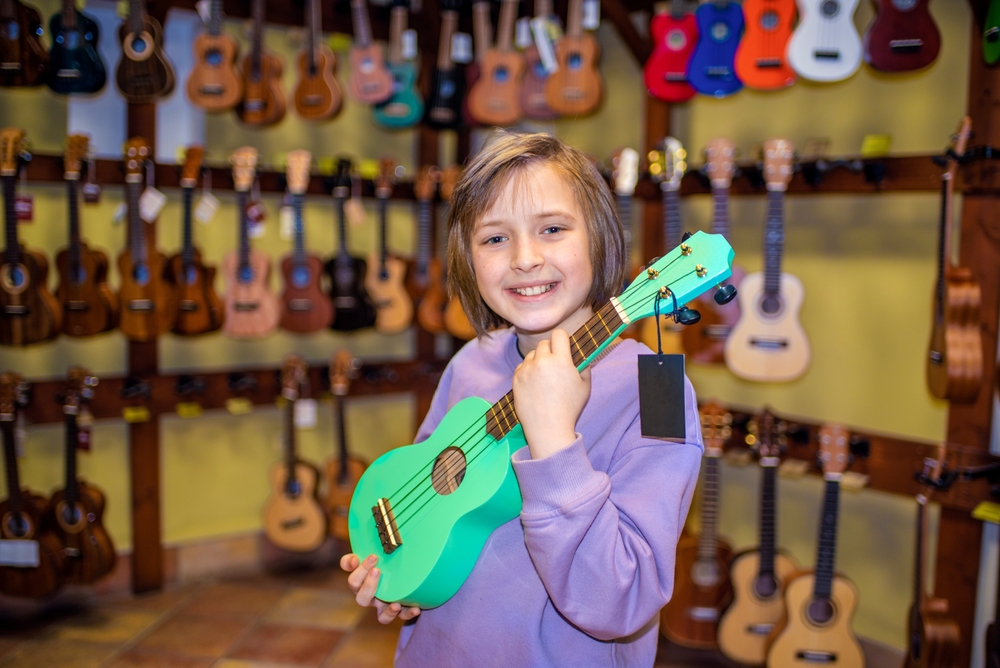
Simple percussion instruments, keyboards and ukuleles can be accessible starting points for some children. However, the difficulty depends on the child’s age, interest and the quality of instruction.
3. At what age should a child start learning a musical instrument?
Children can begin exploring music from a very young age through singing, rhythm games and simple instruments. Formal lessons can be introduced when the child shows interest and is developmentally ready to follow basic instructions.
4. How can I encourage my child to practise an instrument?
Keep practice sessions short and consistent, make them enjoyable and praise effort rather than perfection. Avoid turning practice into a source of pressure.