Learning a new language does not have to be limited to textbooks, worksheets, or memorisation. For children, especially, the most effective learning happens when they are engaged, curious, and having fun. This is where word games play an important role. By combining play with language learning, word-based games help children build vocabulary, improve spelling, and strengthen their understanding of English in an enjoyable and pressure-free way.
Young children are naturally curious about language. They love sounds, rhythms, and repeating new words just to see how they feel. That’s why English vocabulary games and English puzzles for kids work so well. They turn spelling, meanings, and sentence building into an exploration rather than an effort. When children engage with words through play, they don’t just learn faster. They learn with confidence. And that confidence often carries into reading, writing, and everyday communication.
In today’s digital-first world, interactive word games have become a powerful tool for early language development. They allow children to learn English naturally by solving puzzles, matching words, forming sentences, and exploring new vocabulary through play.
Why Do Word Games Matter in Early Childhood?
Children learn best when they are actively involved. Traditional learning methods often feel repetitive, whereas word games encourage exploration, experimentation, and creativity. In early childhood, the brain is especially responsive to patterns and repetition. A simple English word puzzle strengthens memory and attention. A playful word meaning game encourages children to ask questions and make connections. Word games stimulate multiple areas of development. Some of them are as follows:
- Vocabulary expansion
- Spelling and phonics awareness
- Reading comprehension
- Logical thinking and problem-solving
Read More – Fun Spelling Games & Activities for Kids
Types of Word Games Children Enjoy the Most
The more variety there is, the more interesting it gets. Different children enjoy different kinds of challenges, and rotating between formats helps maintain enthusiasm. Some of them are as follows:
Word Puzzle Games
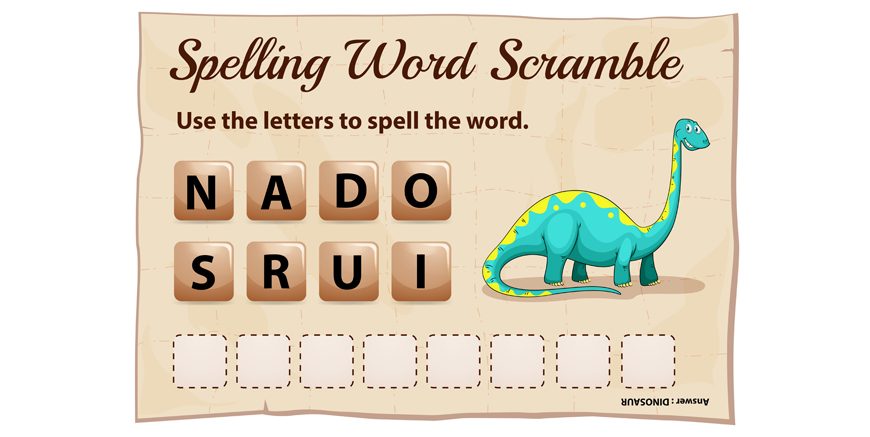
One of the most effective formats in language learning is word puzzle games. These games challenge children to think, connect letters, and identify correct word patterns. Word puzzle games for kids include crosswords, matching activities, and jumbled letters. These games build spelling skills and pattern recognition while improving focus and patience.
Word Building Games
Word-building games are specifically designed to suit different age groups and skill levels. The difficulty increases gradually, allowing children to learn at their own pace. This is particularly helpful for early learners who may feel overwhelmed by traditional classroom methods. In word-building games, children create new words using letters or sounds. This strengthens phonics and helps children understand how words are formed.
Word Meaning Games
A word meaning game introduces vocabulary through pictures, stories, or simple clues. Instead of memorising definitions, children learn what words mean by seeing how they’re used. Through colourful visuals, simple instructions, and interactive gameplay, children remain engaged while unknowingly practising spelling, pronunciation, and word recognition. There is no pressure on the kid, which makes the whole learning process more enjoyable.
English Puzzle Games
English puzzle games often combine logic with language. Filling in missing words or choosing the right word for a sentence improves grammar without making it feel technical. Unlike passive learning, puzzles require children to recall words and meanings. This strengthens memory and reinforces learning.
Read More – Best English Activities for Kids
How Educators Use Word Games in Early Learning Settings?
In many early learning classrooms, word games are a part of daily routines rather than treated as separate lessons. A group activity may include a quick English word puzzle. This approach supports different learning styles. Some children learn best by speaking, others by listening or doing. Word games allow all of them to participate in ways that feel comfortable and encouraging.
When language learning feels natural, children are more likely to use new words confidently in conversations, play, and social interactions. There is a reason educators and parents alike recommend word games for kids. These games promote learning through repetition, but in a way that never feels boring. Each game introduces words in new contexts, helping children understand usage rather than just meaning. Word games also:
- Improve concentration and focus
- Encourage independent learning
- Build confidence through small achievements
- Make mistakes feel like part of the game and not a failure
Read More – English Learning Games for Kids
How To Help Your Child Enjoy Word Games at Home?
You don’t need special tools to support language learning. Start with word games for kids that match your child’s age and interests. Make sure to keep sessions short and stop before your child feels tired. You can talk about words during everyday moments, ask questions, or introduce new words casually. These small interactions often make the biggest difference. Some of the tips for parents to get the most out of word games are as follows:
- Encourage daily play for short periods
- Discuss new words learned during gameplay
- Allow children to explore games independently
- Celebrate progress instead of focusing on mistakes
When word games are used as a learning companion rather than a strict educational tool, children develop a genuine interest in language.
Read More – Fun English Grammar Games for Kids
FAQs:
1. What are word games for kids?
Word games for kids are interactive activities designed to help children learn vocabulary, spelling, and language skills through play. These games often include puzzles, matching activities, word building, and quizzes that make learning English fun and engaging.
2. How do word puzzle games help children learn English?
Word puzzle games help children improve their spelling, memory, and problem-solving skills. By searching for words, arranging letters, or completing puzzles, children actively engage with the English language, which helps reinforce learning and improve word recognition.
3. Are word puzzles for kids suitable for all age groups?
Yes, word puzzles for kids are usually designed with different difficulty levels. Younger children can start with simple matching or picture-based puzzles, while older children can enjoy more challenging word searches, crosswords, and spelling-based games.
4. What are the benefits of using English word games for learning?
English word games support vocabulary development, improve reading skills, and help children understand how words are used in context. They also boost confidence, encourage independent learning, and make language practice enjoyable rather than stressful.
5. How do word-building games improve vocabulary?
Word-building games encourage children to form new words using letters or syllables. This helps them understand word structure, improve spelling accuracy, and learn new vocabulary naturally through experimentation and repetition.
Conclusion
Whether it’s word games, word puzzle games, or simple English vocabulary games, playful language learning lays a strong foundation for your child’s future. It supports communication, builds confidence, and nurtures curiosity without any pressure. When children experience language through play, words stop feeling difficult. They become tools for expression, connection, and imagination. At EuroKids, we offer a perfect blend of education and entertainment, helping children build strong English foundations through play.
For parents who wish to explore more ideas and resources on early learning, child development, and value-building, the EuroKids Blogs section offers a wealth of helpful content. And if you’re looking for the perfect start to your child’s educational journey, consider EuroKids, where we combine academic excellence with life skills and values to help your child grow into a confident, caring individual.