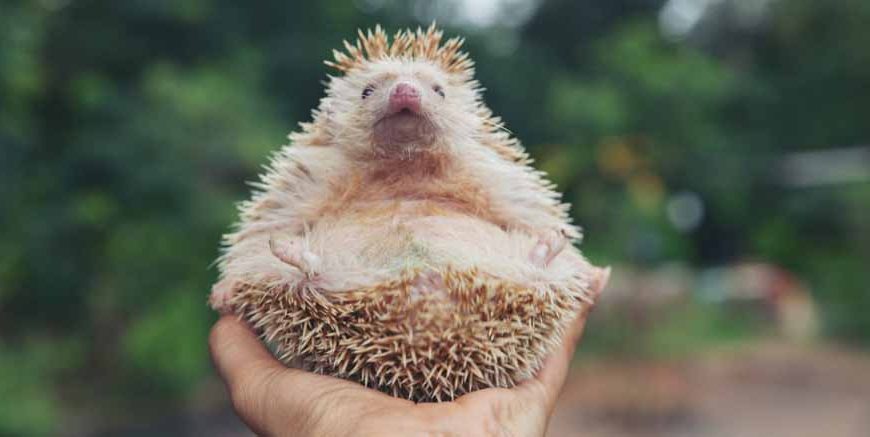
Animals come in many shapes and sizes, each with unique characteristics that make them special. One such fascinating creature is the hedgehog. Known for its small size and spiky body, the hedgehog is an animal that often sparks curiosity among children and adults alike. In this blog, we will explore what a hedgehog is, understand its meaning, learn about its features, and look at some interesting examples to help you understand this unique animal better.
What is a Hedgehog?
A hedgehog is a small, spiny mammal that belongs to the group of animals known as insectivores. These animals are mainly found in parts of Europe, Asia, and Africa. The name “hedgehog” comes from two words: “hedge,” because they often live in hedges or bushes, and “hog,” because of the grunting sounds they make, which are similar to a pig.
Hedgehogs are known for their distinctive appearance, especially their sharp spines that cover their backs. These spines help protect them from predators. When a hedgehog feels threatened, it curls up into a tight ball, making it difficult for predators to harm it.
Read More – The Fox and the Hedgehog Story for Kids
Scientific Classification of Hedgehogs
Hedgehogs belong to the family Erinaceidae. There are several species of hedgehogs, and they are classified under the order Eulipotyphla. Although they look similar to porcupines, they are not closely related.
Some common types of hedgehogs include:
- European hedgehog
- African pygmy hedgehog
- Long-eared hedgehog
- Indian hedgehog
Each species has slight differences in size, colour, and habitat.
Key Features of a Hedgehog
1. Spiny Body
The most noticeable feature of a hedgehog is its body covered with sharp spines. These spines are actually modified hairs made of keratin, the same material found in human nails.
2. Small Size
Hedgehogs are small animals, usually measuring between 15 and 30 centimetres in length. Their compact size makes them easy to hide in bushes and grass.
3. Nocturnal Nature
Hedgehogs are nocturnal animals, which means they are active at night. During the day, they rest in nests made of leaves and grass.
4. Excellent Sense of Smell
Hedgehogs have a strong sense of smell, which helps them find food. They use their noses to search for insects, worms, and other small creatures.
5. Rolling into a Ball
One of the most interesting features of a hedgehog is its ability to curl into a ball when threatened. This behaviour protects its soft underside and exposes only the sharp spines.
6. Short Legs and Snout
Hedgehogs have short legs and a pointed snout. Their snout helps them dig into the ground while searching for food.
Read More – Teaching Your Kids About Nocturnal Animals
What Do Hedgehogs Eat?
Hedgehogs are omnivores, but they mainly eat insects. Their diet includes:
- Beetles
- Worms
- Snails
- Caterpillars
- Small fruits
- Eggs
In urban areas, hedgehogs may also eat pet food left outside.
Habitat of Hedgehogs
Hedgehogs can live in a variety of environments. They are commonly found in:
- Forests
- Grasslands
- Gardens
- Farmlands
They prefer areas with plenty of vegetation where they can hide and find food easily. Hedgehogs build nests using leaves, grass, and other natural materials.
Behaviour of Hedgehogs
- They are solitary animals and prefer to live alone
- They are active at night
- They hibernate during cold winters in some regions
- They make snuffling and grunting sounds
Examples of Hedgehog Species
1. European Hedgehog
This is one of the most common species found in Europe. It has brown spines and is often seen in gardens.
2. African Pygmy Hedgehog
This is a smaller species and is often kept as a pet. It is known for its friendly nature.
3. Long-Eared Hedgehog
This species has longer ears compared to other hedgehogs and is found in desert regions.
4. Indian Hedgehog
Found in parts of India and Pakistan, this species is adapted to dry environments.
Read More – Wild Animals for Kids
Fun Facts About Hedgehogs
- A hedgehog can have up to 5,000 spines
- Baby hedgehogs are called hoglets
- They can run surprisingly fast despite their small size
- Hedgehogs are immune to some snake venom
- They have poor eyesight but a strong sense of smell
How EuroKids Makes Learning About Animals Fun
At EuroKids, children are introduced to animals and nature through engaging and interactive learning methods. When learning topics like what a hedgehog is, children explore not just the meaning of a hedgehog, but also its features, habitat, and behaviour in a simple and interesting way.
A hedgehog is a small mammal known for its sharp spines and its unique ability to curl into a ball for protection. By learning about such animals, children develop curiosity about wildlife and understand how different creatures adapt to their surroundings. Through stories, visuals, and activities, children can easily remember the features of a hedgehog and recognise it among other animals. This kind of learning helps children build awareness about nature while improving their observation and understanding skills.
Learning the Smart Way with the HEUREKA Approach
The HEUREKA approach at EuroKids focuses on experiential and activity-based learning. Instead of just reading about animals, children learn by exploring, observing, and interacting with different concepts in fun ways.
When learning about hedgehogs, children might engage in storytelling, creative drawing, or simple discussions that help them understand the animal better.
Through this method, children:
- Learn the meaning and features of a hedgehog through interactive activities
- Understand animal behaviour through stories and real-life connections
- Develop curiosity about wildlife and nature
- Build observation and thinking skills
This approach makes learning more engaging and helps children remember concepts for a longer time.
Conclusion
Hedgehogs are fascinating creatures with unique features and behaviours. From their spiny bodies to their ability to curl into a ball, they are truly one of nature’s most interesting animals. Understanding what a hedgehog is, its meaning, features, and examples helps us appreciate the diversity of the animal world.
Learning about animals not only increases knowledge but also encourages curiosity and respect for nature. By using engaging and interactive learning methods, children can develop a deeper understanding of animals like hedgehogs. Whether through books, activities, or educational programs, exploring the world of animals can be a fun and rewarding experience for children and adults alike.
Parents looking to give their child a strong foundation in early learning can explore EuroKids Preschool Admission to begin this enriching journey.
For more insightful articles that support early learning, awareness, and child development, parents and educators can explore the wide range of resources available on EuroKids Blogs.
For those interested in being part of this impactful learning ecosystem and contributing to quality early education across communities, EuroKids Franchise opportunities offer a meaningful path forward.
Frequently Asked Questions (FAQs)
1. What is a hedgehog?
A hedgehog is a small, spiny mammal known for its ability to curl into a ball for protection.
2. Where do hedgehogs live?
Hedgehogs are found in Europe, Asia, and Africa, and they live in forests, gardens, and grasslands.
3. What do hedgehogs eat?
Hedgehogs mainly eat insects, worms, snails, and small fruits.
4. Why do hedgehogs curl into a ball?
Hedgehogs curl into a ball to protect themselves from predators using their sharp spines.
5. Are hedgehogs good for the environment?
Yes, hedgehogs help control insect populations and maintain ecological balance.